


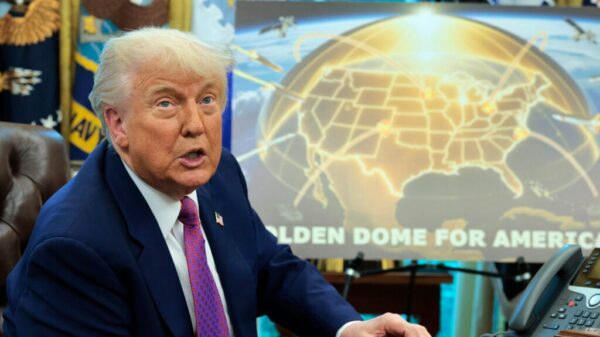




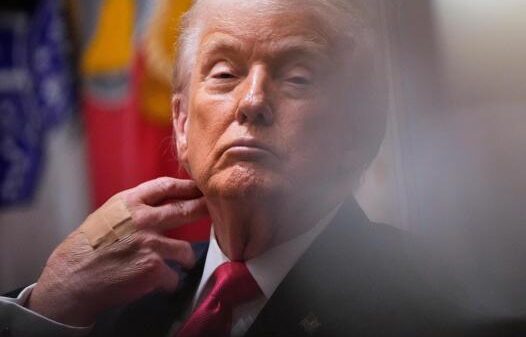
























Former President Donald Trump has sparked significant backlash following remarks suggesting a ban on immigration from “all Third World countries.” Critics argue that his comments reflect an irrational and unethical approach to a complex issue, particularly in light of a recent violent incident involving an individual with apparent mental health challenges.
In a letter to the editor published in a local newspaper, resident Gisela Meier condemned Trump’s statements. She emphasized that blaming entire populations for the actions of a single individual is misguided. “Using that rationale, we should deport all socially-isolated young men and disgruntled middle-aged men,” she stated, highlighting the absurdity of such generalizations. Meier pointed out that Trump himself has been a target of individuals fitting these descriptions.
Meier’s letter reflects a growing concern among many citizens regarding the implications of Trump’s rhetoric. She expressed dismay at the potential consequences of Trump’s vision for America, which she perceives as one that seeks to eliminate those he deems undesirable. “What a sad, bland, hollowed-out country this would be if Trump succeeded,” she wrote, expressing her fear about the future of national unity and diversity.
The remarks have reignited discussions about U.S. immigration policy, which has been a contentious topic in American politics. Critics argue that Trump’s approach fosters hatred and intolerance, which can lead to further division within the country. They assert that immigration should be viewed through a lens of humanity and compassion, rather than fear and exclusion.
As the debate continues, many are calling for more balanced and humane approaches to immigration that acknowledge the complexities of mental health and societal issues. The discourse surrounding Trump’s comments serves as a reminder of the ongoing challenges in addressing immigration policy in a way that respects the dignity of all individuals, regardless of their background.
In the wake of such discussions, it is essential for leaders and citizens alike to engage in thoughtful dialogue about the values that define the nation and its policies moving forward. The stakes are high, and the impact on communities across the country is profound.