








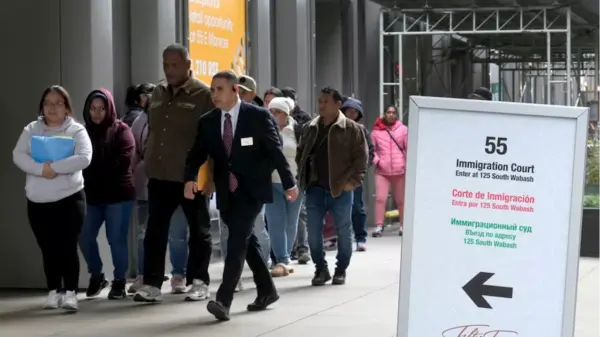





























The number of immigration judges in the United States has significantly decreased, with approximately one in five judges losing their positions since the beginning of President Donald Trump’s second term. From nearly 700 judges at the start of 2021, the total has now dropped to about 560, highlighting a substantial shift in the country’s immigration court system.
This reduction in judicial positions is part of a broader remaking of the immigration courts by the Trump administration, which has focused on streamlining processes and expediting cases. The Department of Justice has emphasized the need to address backlogs and improve efficiency within immigration proceedings.
The impact of these changes has been felt across various regions of the United States. Many cases involving asylum seekers and other immigrants now face longer wait times, as the decreased number of judges struggles to manage the caseload. Critics argue that this situation undermines the fairness of the immigration system and raises concerns about due process.
The Trump administration has defended its approach, asserting that it is necessary to ensure that immigration laws are upheld effectively. In a statement, an official from the Department of Justice noted that the changes are aimed at providing timely resolutions to cases, thereby benefitting both the government and individuals involved in the immigration process.
However, legal experts and advocacy groups have raised alarms about the implications of such cuts. They contend that the reduction in judges could lead to rushed decisions, insufficient time for thorough case evaluations, and ultimately, a higher rate of appeals. The National Association of Immigration Judges has expressed concerns, stating that these changes could compromise the integrity of the immigration judicial system.
As the situation evolves, the future of immigration courts remains uncertain, with ongoing debates about the balance between efficiency and fairness in adjudicating cases. The administration’s actions have ignited discussions among lawmakers and legal advocates, who are calling for reforms to ensure that justice is served for all individuals seeking asylum and other immigration relief in the United States.
Moving forward, stakeholders will be closely monitoring the effects of these judicial cuts and the administration’s broader immigration policies, which continue to shape the landscape of U.S. immigration law.