






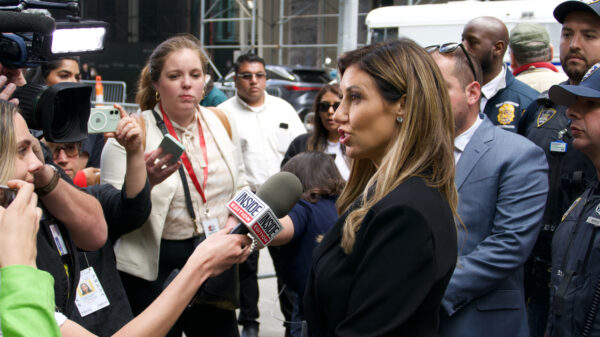

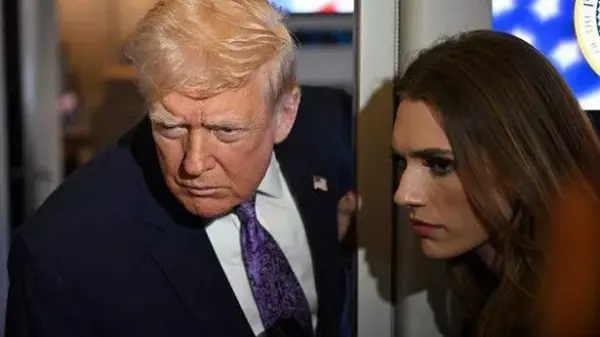
























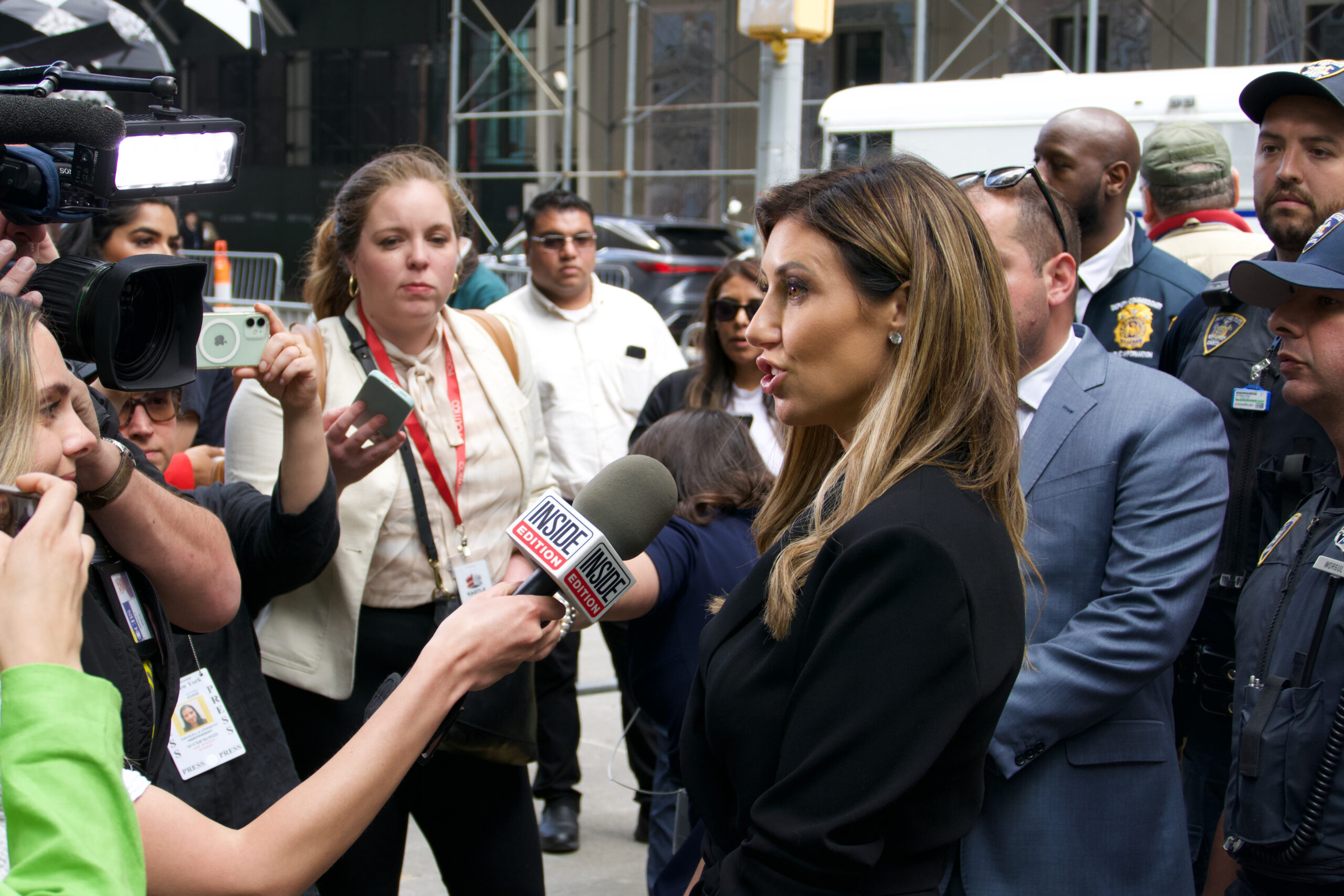
A federal appeals court ruled that Alina Habba, a lawyer who represented former President Donald Trump in various legal matters, is disqualified from serving as the acting US attorney for the District of New Jersey. This decision, issued by the Third Circuit Court on Monday, found that the Trump administration’s attempt to appoint Habba violated federal vacancy laws.
The court’s ruling affirmed a lower court’s decision, which had already disqualified Habba from overseeing two criminal prosecutions. Defendants in these cases argued that her appointment breached the legal requirements for acting officers. Specifically, the court determined that since Trump had previously nominated Habba for the permanent US attorney position, she was ineligible to serve in an acting capacity once that nomination was withdrawn.
The implications of this ruling are significant, representing the second time within two weeks that a federal court has found the Trump administration in violation of federal vacancy laws regarding the appointment of a US attorney. Just last week, a federal judge in Virginia dismissed indictments against former FBI Director James Comey and New York Attorney General Letitia James. This dismissal occurred after the prosecutor responsible for securing those charges, former White House aide Lindsey Halligan, was also found to have been unlawfully appointed.
Legal analysts note that these rulings could have broader implications for the legitimacy of appointments made under the Trump administration.
The decision to bar Habba from the acting US attorney role raises questions about the administration’s compliance with established legal frameworks concerning government appointments. The court emphasized the need for adherence to these laws to maintain the integrity of the judicial system.
This ruling could further complicate the legal landscape for Trump and his associates as they navigate various ongoing investigations and prosecutions. The decision underscores the importance of following proper legal protocols in governmental appointments, particularly in pivotal roles such as that of a US attorney.