









































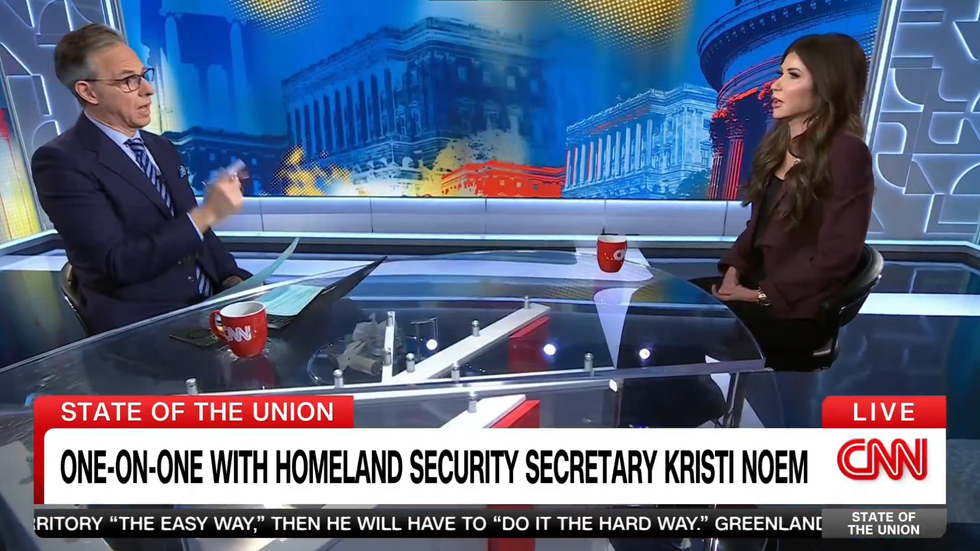
Homeland Security Secretary Kristi Noem faced sharp criticism during a recent interview on CNN with Jake Tapper. The discussion centered around her assertion that Renee Good, a woman fatally shot by an Immigration and Customs Enforcement agent in Minneapolis on March 6, 2024, had engaged in “domestic terrorism.” Tapper pressed Noem on her claims, which came just hours after the incident, emphasizing the need for a thorough investigation before drawing such conclusions.
During the interview, Tapper questioned Noem’s rush to label Good’s actions as domestic terrorism. He expressed concern about the potential implications of her statement, suggesting it could hinder the investigation into the shooting. “I’m wondering if you’re not doing a disservice to the officer by reaching a conclusion before the investigation takes place,” Tapper stated, challenging Noem to explain her rationale.
Instead of addressing the core issue, Noem shifted focus to criticize Tapper’s reporting. She highlighted remarks made by Minneapolis Mayor Jacob Frye and Rep. Alexandria Ocasio-Cortez (D-NY), who had also commented on the shooting. “I haven’t heard you say once what a disservice it’s been for Mayor Frye to tell ICE to ‘get the F out of this city,’” Noem asserted. “Call them out, Jake! I have provided you with facts and information to back up every single word that we have said.”
As the conversation progressed, Tapper reiterated his concerns about Noem’s conclusions, emphasizing the importance of a measured approach to such serious allegations. “I know that you’d like to make me the topic of this and not what happened, but I did ask a Democratic senator just a few minutes ago about AOC’s comments,” he remarked. “How can you make a conclusion before an investigation, and there really isn’t an answer other than you saw the video.”
The shooting incident has sparked intense debate, drawing contrasting opinions from various political figures and the public. While supporters of the Trump administration have defended the actions of the ICE agent involved, critics have called for accountability, demanding that the agent face murder charges.
This exchange between Noem and Tapper highlights the broader tensions surrounding immigration enforcement and the political narratives shaping public perception. As investigations continue, the implications of this incident will likely resonate across the political landscape, igniting discussions on law enforcement practices and accountability.
The response from both sides illustrates the complexities of addressing sensitive issues in a politically charged environment. As the situation unfolds, attention will remain focused on the outcomes of the investigation and the ongoing discourse surrounding immigration policy in the United States.
















