








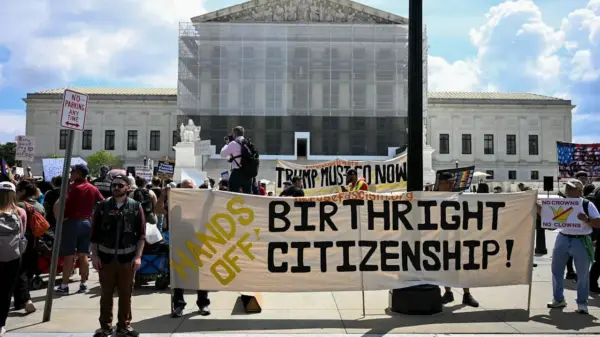




























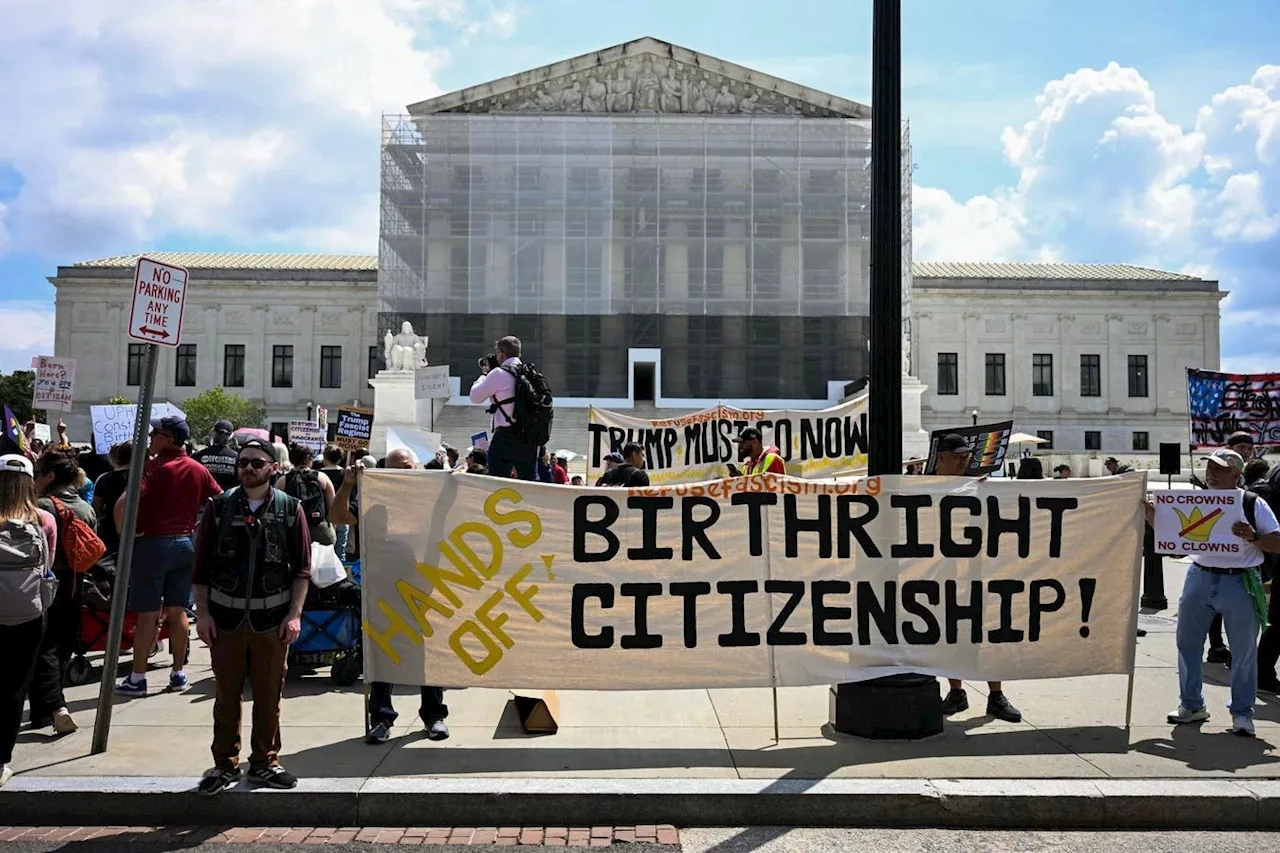
The Supreme Court will soon address a significant legal challenge regarding President Donald Trump’s executive order aimed at ending birthright citizenship. This order, signed in January 2025, seeks to deny citizenship to children born on American soil to undocumented immigrants and certain temporary foreign residents. The court’s decision could potentially alter a long-standing legal precedent that has granted citizenship to anyone born in the United States for over 200 years.
Since the signing of the executive order, various legal challenges have kept it on hold. Oral arguments are expected to take place in the coming months, with a ruling anticipated by June or July 2026. The outcome of this case will have far-reaching implications for immigration policy in the country.
The constitutional basis for the current status of birthright citizenship is rooted in the 14th Amendment, which states, “All persons born or naturalized in the United States, and subject to the jurisdiction thereof, are citizens of the United States.” This amendment has been a cornerstone of American citizenship laws and any changes to its interpretation could affect millions.
According to the Migration Policy Institute and Penn State’s Population Research Institute, approximately 255,000 children born in the U.S. each year could be left without citizenship if the executive order is upheld. Furthermore, projections suggest that the population of immigrants lacking permanent legal status could rise to 2.7 million by 2045 and 5.4 million by 2075.
This case underscores the ongoing national debate surrounding immigration and citizenship in the United States. As the Supreme Court prepares to hear this critical issue, the implications of their ruling could reshape the landscape of American immigration law for generations to come. The court’s decision will not only affect current policies but also set a precedent for future administrations regarding citizenship rights and immigration regulations.
As the nation awaits the outcome, the stakes remain high for millions of families and individuals who may find themselves caught in the balance of this landmark legal battle.