









































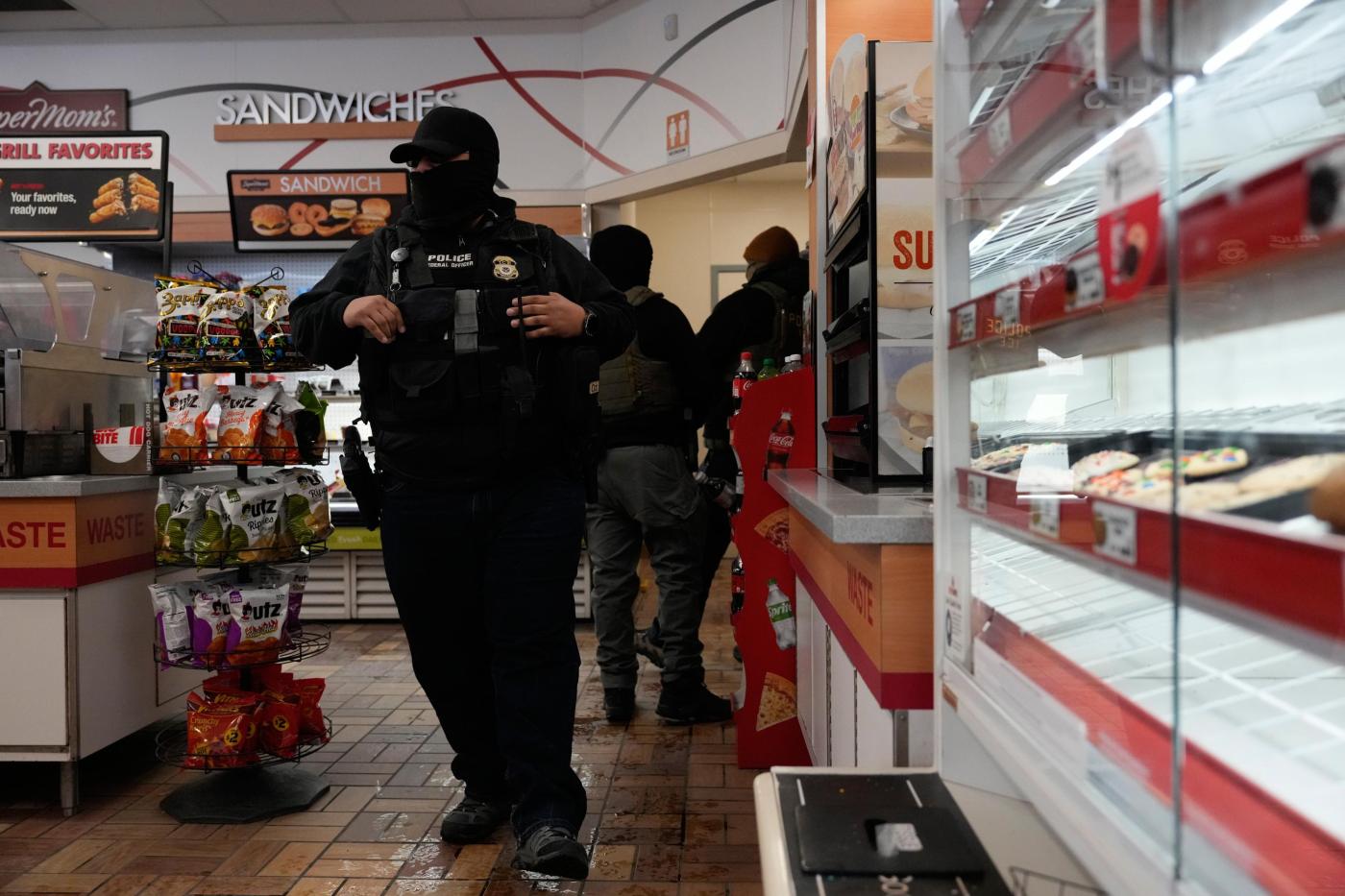
The St. Paul City Council has announced plans to introduce a series of ordinances aimed at addressing recent immigration enforcement actions within the city. The first ordinance, scheduled for discussion at the council meeting today, seeks to prohibit law enforcement from staging operations on city-owned properties for federal immigration enforcement and to restrict access to non-public spaces.
The initiative follows an incident on November 25, 2023, when the Immigration and Customs Enforcement (ICE) conducted an operation on Rose Avenue near Payne Avenue. During this operation, St. Paul police were called to assist, which resulted in the use of chemical irritants and less-lethal munitions to disperse protesters. Since that event, ICE has reportedly increased its activities throughout Minnesota.
The city council emphasized the need for prompt action, stating, “The City must move urgently and therefore will not wait for one comprehensive update to the City’s existing separation ordinance.” This separation ordinance, established in 2004, prohibits city employees from enforcing federal immigration policies.
The proposed changes aim to clarify the city’s authority and responsibilities under local law without altering federal law or hindering lawful federal enforcement actions. As outlined in a statement from the council, the revisions “do not change federal law, do not interfere with lawful federal enforcement actions, and do not prevent compliance with valid warrants or court orders.”
Details of the Proposed Ordinance
All seven members of the St. Paul City Council are sponsoring the ordinance, which will be introduced during the meeting beginning at 15:30. The ordinance specifies that city-owned or controlled properties, including parking lots, garages, and vacant lots, will not be available for use as staging areas for law enforcement activities related to federal immigration laws.
According to the ordinance, “no federal, state, or local government entity or personnel is authorized” to use these spaces for staging, processing, or operational bases concerning immigration enforcement. Access will only be granted under specific conditions, such as with a signed judicial warrant or when legally required. This limitation extends to non-public city spaces, which include areas requiring badge access, breakrooms, and employee-only zones.
The ordinance further stipulates that city employees do not have the authority to allow access to these non-public areas for immigration enforcement purposes, except in compliance with legal requirements.
Next Steps for the City Council
As part of the legislative process, the ordinance will be read at three separate council meetings, with a public hearing likely scheduled for the second reading. It will take effect 30 days after being passed by the council and published.
Members of the council are also expected to discuss additional immediate and near-term actions during today’s meeting, highlighting their commitment to addressing community concerns regarding immigration enforcement practices.
This initiative reflects a growing trend among local governments to establish policies that separate local law enforcement from federal immigration activities, aiming to foster trust and cooperation within diverse communities.
















