









































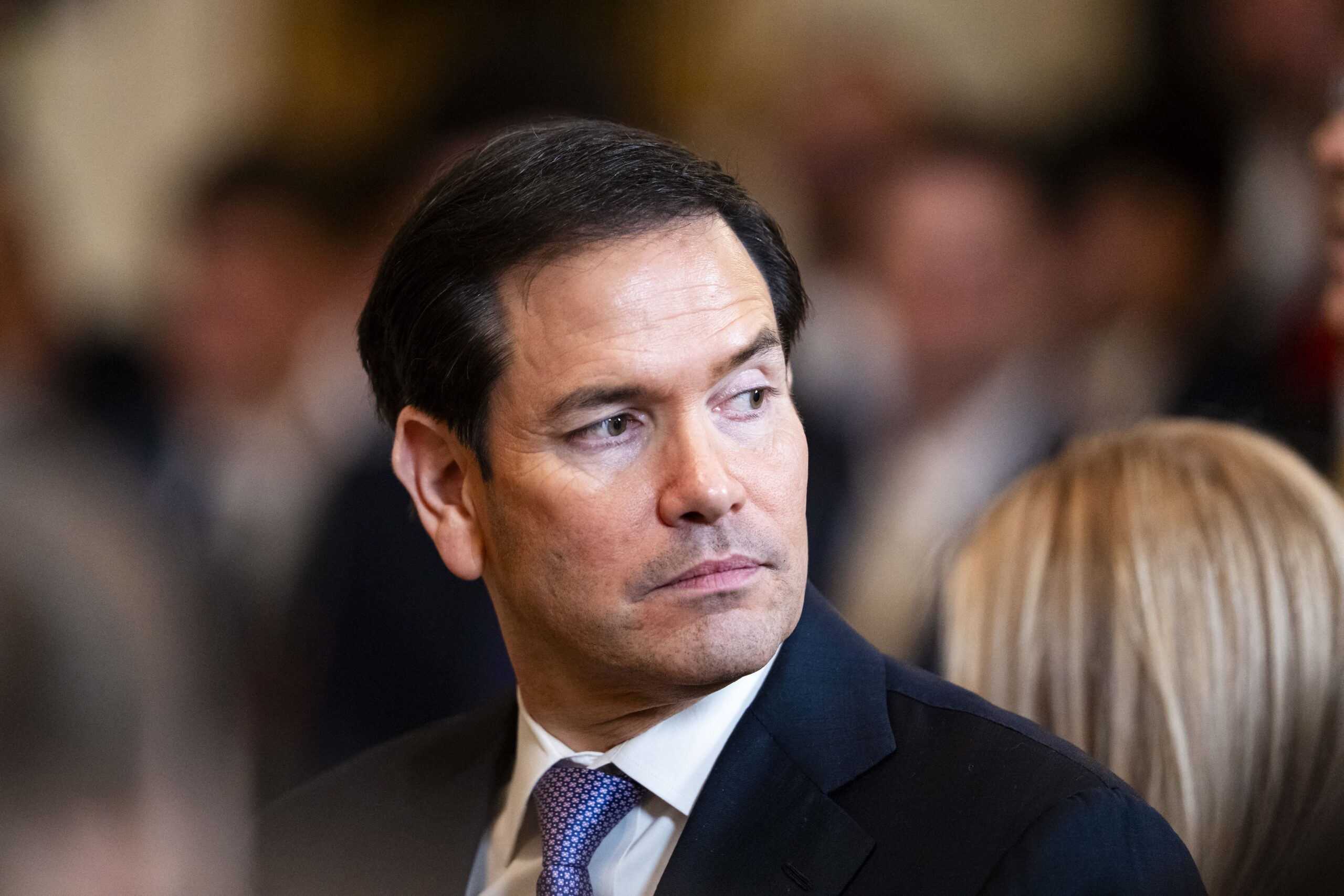
On March 7, 2024, at the Shield of the Americas Summit in Doral, Florida, U.S. Secretary of State Marco Rubio and Secretary of Homeland Security Kristi Noem delivered significant remarks addressing pressing regional security and cooperation issues. The summit, which focuses on strengthening ties among American nations, serves as a platform for discussing strategies to combat various challenges, including crime and economic instability.
Rubio emphasized the importance of collaborative efforts in enhancing safety and prosperity across the Americas. He stated, “We must work together to ensure that our countries are not only safe but also economically resilient.” His remarks came in response to the ongoing concerns about rising crime rates and economic disparities affecting several nations in the region.
Key Issues Highlighted by Leaders
During the summit, Noem underscored the role of the United States in supporting its neighbors. She remarked, “Our partnerships are vital. By investing in security and economic initiatives, we create a stronger and more united hemisphere.” Noem’s focus on investment aligns with the summit’s goals of fostering economic growth through cooperative programs.
Both leaders outlined several initiatives aimed at improving security cooperation, including enhanced intelligence sharing and joint training exercises among law enforcement agencies. These initiatives are designed to address the multifaceted nature of crime, which has increasingly crossed borders, affecting various communities.
The Shield of the Americas Summit has attracted a diverse group of leaders and stakeholders from across the region, underscoring the collective commitment to addressing shared challenges. The discussions also highlighted the need for sustainable economic development as a means to combat crime and instability.
Implications for Future Cooperation
The remarks made by Rubio and Noem are indicative of a broader strategy to strengthen U.S. relations with Latin American countries. Analysts suggest that these efforts are crucial, especially as geopolitical dynamics evolve and new challenges emerge. The cooperation framework proposed during the summit is expected to lay the groundwork for future agreements aimed at enhancing trade, security, and mutual support.
As the summit progresses, participants are expected to engage in further discussions on specific action plans. The outcomes of these discussions could significantly impact both regional diplomacy and domestic policies related to security and economic collaboration.
In conclusion, the Shield of the Americas Summit serves as a pivotal moment for U.S.-Latin America relations, with leaders like Rubio and Noem advocating for a unified approach to tackle the challenges faced by the region. The initiatives discussed are poised to reshape the landscape of cooperation, laying the foundation for a safer and more prosperous future for all nations involved.
















