









































As the new year begins, many Americans find themselves grappling with a sense of stagnation, questioning the state of their nation and its institutions. The challenges facing the United States today appear overwhelming, with deep divisions among citizens and a persistent struggle to agree on fundamental facts.
Historian and columnist Douglas Rooks, reflecting on the current climate, draws parallels between today’s issues and the tumultuous year of 1968. During that time, disillusionment grew as the Vietnam War escalated, leading to widespread protests and a profound crisis of confidence in the government. The assassinations of prominent leaders like Martin Luther King Jr. and Bobby Kennedy further deepened the sense of despair among the youth, who felt betrayed by a system that failed to deliver on its promises.
Despite the bleak outlook, Rooks emphasizes that historical moments of crisis have often catalyzed significant social movements. He points out that the progress made since the 1960s is undeniable. For example, Maine today boasts a more prosperous society, with improved local governance and greater opportunities in education and employment than in previous decades. The state has also seen a notable decline in pollution, illustrating advancements in environmental standards.
However, Rooks argues that a cycle of progress followed by stagnation is a recurring theme in American history. Young people today are understandably frustrated with the political and financial systems that seem to benefit a select few while leaving many behind. The rise of wealth inequality, exemplified by the emergence of trillionaires, raises urgent questions about the future of social support systems.
The pervasive influence of social media is another concern, as it diverts attention from meaningful connections and community-building efforts. As traditional sources of support—family, friendship, and community—begin to erode, individuals are left wondering why the political landscape remains stagnant, with election cycles producing little more than temporary solutions.
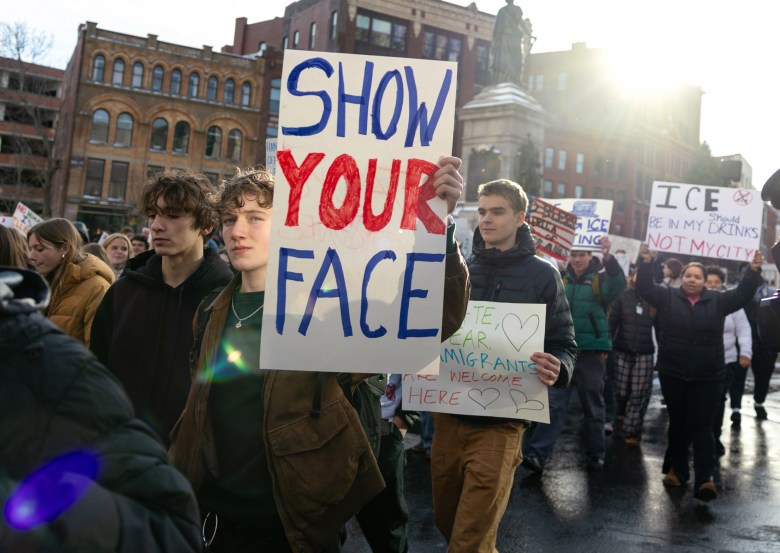
Rooks highlights that discontent often serves as the catalyst for change. The younger generation, now coming of voting age, is rightfully questioning why their prospects seem dimmer than those of their parents and grandparents. This sense of frustration could herald a new era of activism and reform, as young people demand a government that prioritizes the needs of the many over the preferences of a few.
As 2024 unfolds, it remains to be seen whether this discontent will lead to substantial change. Engagement and activism among young voters will be crucial in shaping the political landscape. Rooks invites readers to reflect on America’s past while considering the potential for a brighter future. The path forward may depend on whether this generation can channel their frustrations into action, thereby redefining the nation’s trajectory in the months and years to come.
















