









































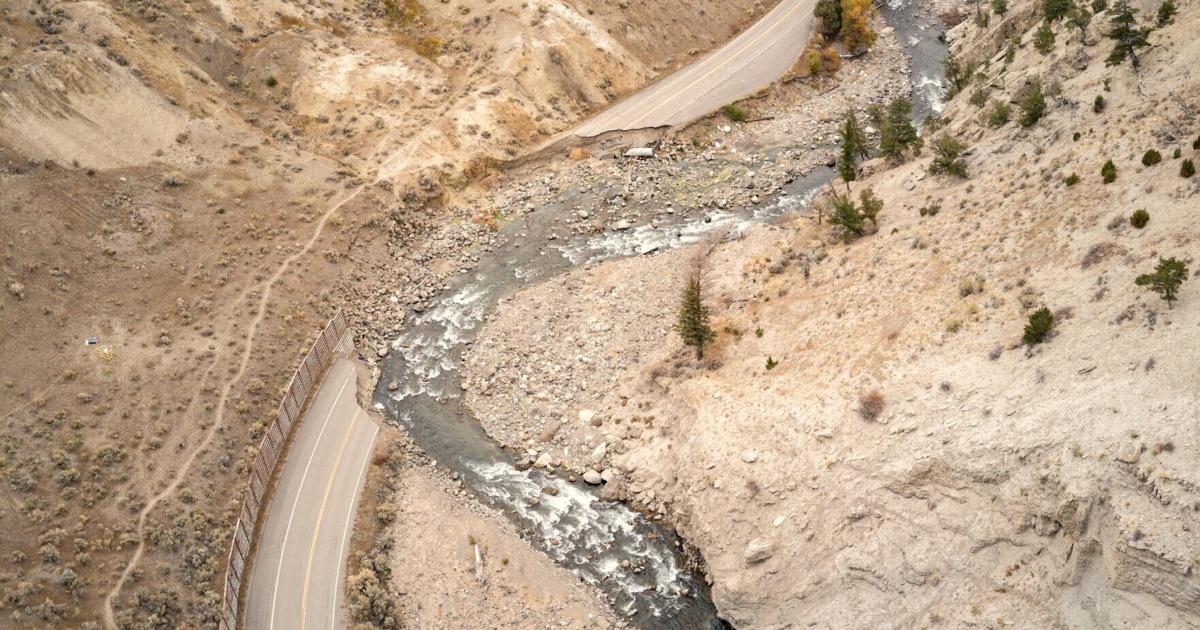
The proposal for a new road in Yellowstone National Park has raised significant concerns among environmentalists and park officials regarding its impact on local wildlife and existing trails. While the concept of road construction in national parks may seem straightforward, the complexities involved today are far more nuanced than during the 1800s.
This proposed road aims to enhance visitor access and improve infrastructure within the park. However, the National Park Service (NPS) faces mounting pressure to balance development with conservation efforts. As the park hosts diverse ecosystems and endangered species, the potential effects of road construction on wildlife habitats cannot be overlooked.
Public Concerns and Environmental Studies
Community members, conservationists, and park visitors have voiced their concerns through public comment sessions, highlighting the potential disruption to animal migration patterns and the degradation of natural trails. According to a report from the Wildlife Conservation Society, the construction could lead to increased vehicle traffic, which may pose risks to species such as bison and elk, particularly during calving seasons.
The NPS has committed to conducting comprehensive environmental assessments to evaluate the potential impacts of the proposed road. These studies will consider various factors, including air quality, noise pollution, and habitat fragmentation. The findings will play a critical role in determining whether to move forward with the project.
Historical Context and Future Implications
The challenges of building infrastructure in national parks have evolved since the 1800s, when roads were constructed with little regard for environmental consequences. Today, regulations require thorough analysis and stakeholder engagement. This shift reflects a growing recognition of the need to preserve natural landscapes while accommodating recreational use.
The public comment period, which began in March 2024 and is set to conclude in April 2024, has drawn participation from various interest groups. Many advocate for alternative solutions that prioritize wildlife protection, such as improving existing trails instead of constructing new ones.
As discussions continue, the NPS is tasked with weighing the benefits of improved access against the potential costs to the park’s delicate ecosystems. The outcome will not only affect visitors’ experiences but also set a precedent for future road projects within protected areas.
The ongoing dialogue surrounding this proposal reflects broader tensions between development and conservation within national parks. Stakeholders are keenly aware that any decision made will resonate beyond the boundaries of Yellowstone, impacting conservation strategies nationwide.
















