









































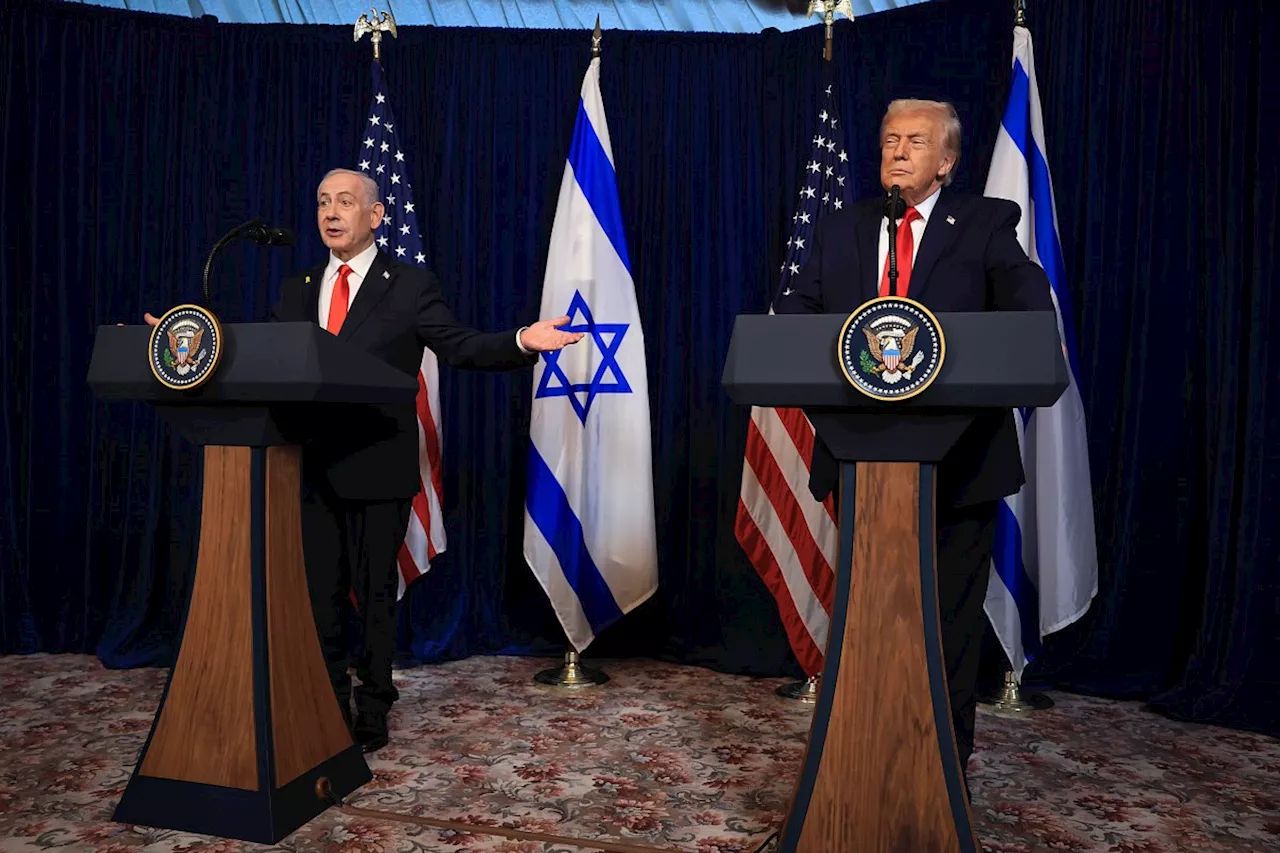
The recent meeting between Israeli Prime Minister Benjamin Netanyahu and U.S. President Donald Trump focused on crucial concerns regarding negotiations with Iran. During their discussions, Netanyahu outlined four key demands that he believes are essential for any future agreements related to Iran’s nuclear program.
Key Demands from Israel
Netanyahu emphasized the importance of addressing Iran’s nuclear capabilities, insisting that any deal must ensure complete transparency and verification measures. He articulated that without strict oversight, any agreement would not adequately protect Israel or its allies from potential threats.
In addition to nuclear concerns, Netanyahu raised issues surrounding Iran’s regional influence. He argued that the agreement should restrict Iran’s military activities in the Middle East, particularly its support for groups that Israel considers hostile, such as Hezbollah in Lebanon.
The Israeli leader also called for a commitment to halt Iran’s ballistic missile program, stating that such weapons pose a significant risk not only to Israel but to global security. Finally, Netanyahu requested that any sanctions relief for Iran should be contingent on its compliance with these demands, ensuring that the nation does not benefit economically while continuing its aggressive policies.
Reactions and Implications
The meeting took place against a backdrop of heightened tensions in the Middle East. Following their discussions, Trump’s administration expressed a willingness to consider Israel’s position but noted that negotiations with Iran involve multiple stakeholders and complexities. The U.S. has long been engaged in delicate diplomacy concerning Iran, and balancing these interests with Israel’s demands presents a formidable challenge.
Observers noted that Netanyahu’s visit signifies Israel’s ongoing efforts to influence U.S. policy towards Iran, particularly as the Biden administration navigates its approach to the 2015 nuclear deal. The dynamics of this relationship will likely evolve in the coming months, especially as the deadline for negotiations looms.
The four demands presented by Netanyahu underscore Israel’s longstanding concerns about Iran’s intentions and capabilities. As the situation develops, both nations will need to work collaboratively to address these critical issues while considering the broader implications for regional stability.
As discussions continue, the international community will be watching closely, recognizing that the outcomes of these negotiations could have significant ramifications for security in the Middle East and beyond.
















