









































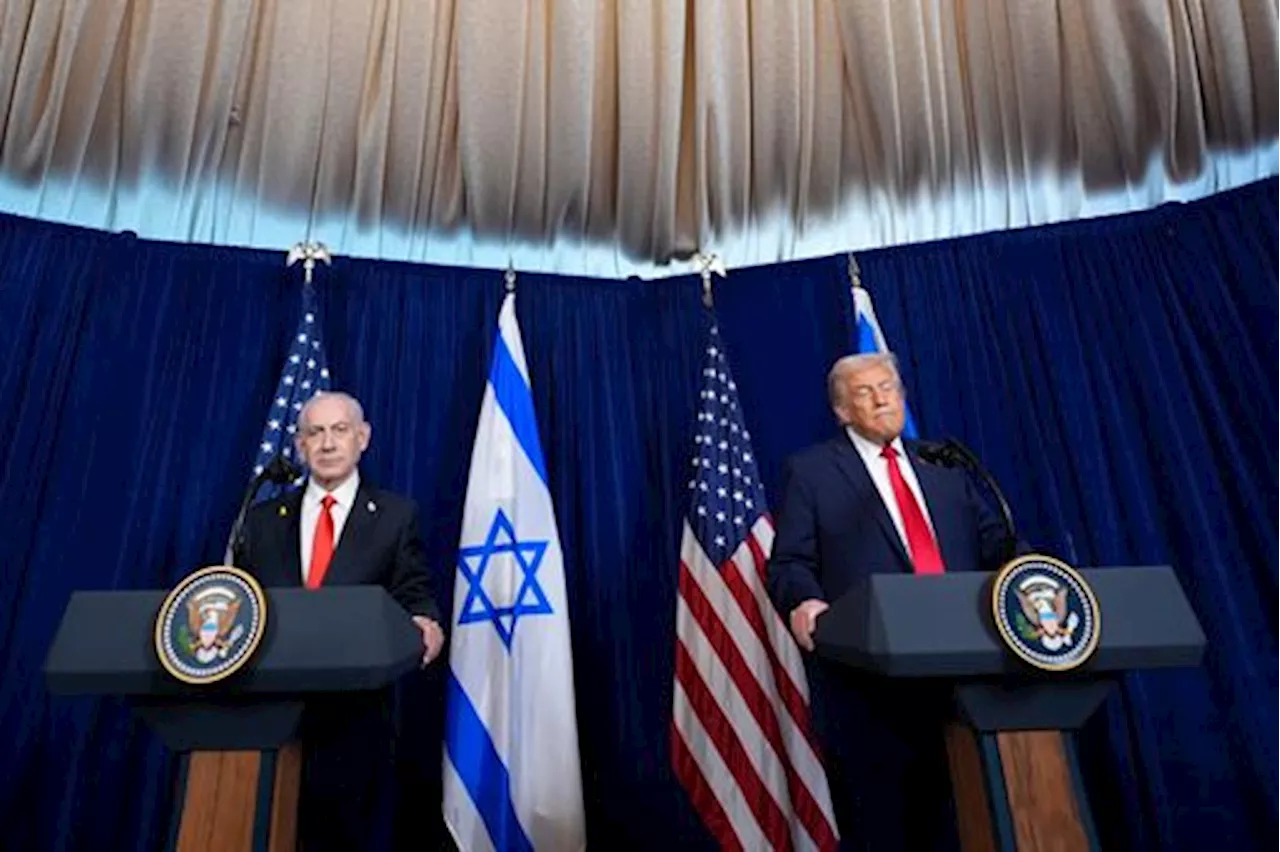
Israeli Prime Minister Benjamin Netanyahu and U.S. President Donald Trump have agreed to escalate economic pressure on Iran, particularly focusing on its oil sales to China. This agreement emerged during a meeting on March 15, 2023, at the White House, according to a report by Axios, citing two American officials familiar with the discussions.
During their meeting, Trump and Netanyahu discussed strategies for maximizing pressure on Tehran. A senior U.S. official stated, “We agreed that we will go full force with maximum pressure against Iran, for example, regarding Iranian oil sales to China.” The officials highlighted that over 80 percent of Iran’s oil exports are directed to China, making it a crucial target for any economic sanctions.
While both leaders concurred on the need for pressure, they expressed differing views on the potential for a diplomatic agreement with Iran. Netanyahu articulated skepticism, asserting that a reliable agreement with Tehran is unattainable and likely to be violated. In contrast, Trump maintained a more optimistic stance, stating, “We’ll see if it’s possible—let’s give it a shot.”
The U.S. plans to pursue this intensified pressure campaign alongside ongoing nuclear negotiations. Officials indicated that the military presence in the Middle East would be strengthened to maintain the option of military strikes if diplomatic avenues fail. This multifaceted approach aims to ensure that any reduction in Iranian oil sales could significantly impact Tehran’s economic stability and possibly force concessions regarding its nuclear program.
In addition to these discussions, Trump recently signed an executive order allowing for heightened economic pressure on Iran. This order includes provisions enabling officials from the U.S. Departments of State and Commerce to recommend tariffs of up to 25 percent on countries that continue to engage in trade with Iran.
As the situation develops, the focus remains on how these economic measures will influence Iran’s actions and whether they will lead to a shift in negotiations regarding its nuclear capabilities. The geopolitical landscape continues to evolve, with both leaders navigating their respective domestic and international challenges while addressing the Iranian issue.
















