









































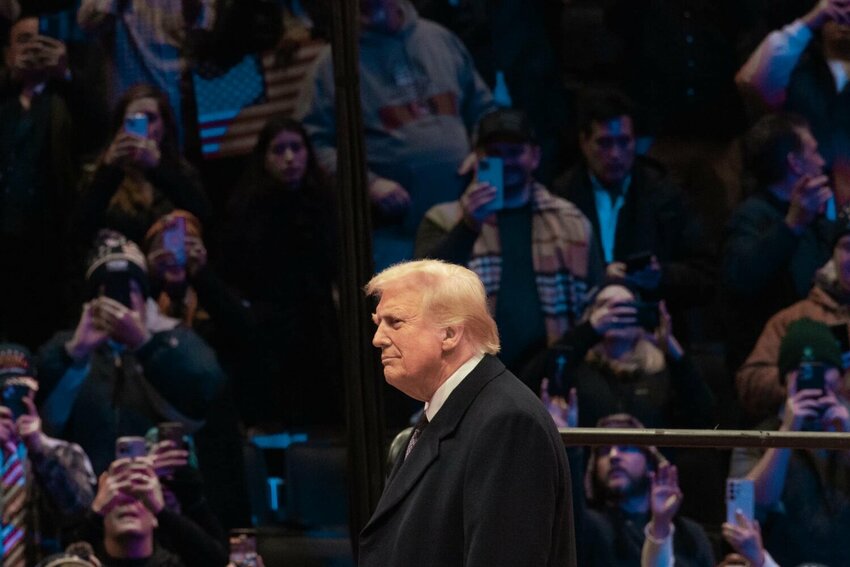
The National Park Service has announced that it will no longer offer free entry to national parks on Martin Luther King Jr. Day, a significant change that will take effect this year. For the first time in 15 years, visitors to the nation’s 63 national parks will be required to pay on this federal holiday, which honors the legacy of the civil rights leader who was assassinated in 1968. The decision comes after the Interior Department’s new set of free entry days removed both MLK Day and Juneteenth, a holiday recognizing the end of slavery in the United States, while adding President Donald Trump’s birthday, which is also Flag Day, to the list.
This shift was announced in a statement on November 25, 2023. The Interior Department claimed that the changes were made to reflect Trump’s commitment to making national parks more accessible and affordable for the American people. The new policy has drawn criticism from lawmakers across the political spectrum, who express disappointment and concern regarding the implications of the decision.
Political Reactions to the Changes
Lawmakers from the Northwest have voiced strong reactions to the announcement. Representative Dan Newhouse, a Republican from Sunnyside, expressed disbelief at the decision, remarking, “Seriously? I guess it never ends, does it?” He referenced Trump’s history of branding various institutions and stated that the change reflects a troubling trend.
Democratic Representative Marilyn Strickland criticized the decision as indicative of a broader pattern of anti-Black sentiment within the current administration. She highlighted Trump’s previous actions, including the removal of Gen. Charles Q. Brown from a prominent military position, suggesting that such moves are part of a systemic issue. “People who understand the legacy of Dr. King are afraid of this administration,” Strickland lamented.
On the other hand, Representative Michael Baumgartner, a Republican from Spokane, acknowledged the significance of Flag Day but expressed a desire for all three holidays—MLK Day, Juneteenth, and Trump’s birthday—to be recognized with free entry to the parks. He noted his own commitment to celebrating King’s legacy through community events.
Concerns Over Equity and Access
Representative Emily Randall, a Democrat from Bremerton, emphasized that free-entry days play a crucial role in promoting access to the outdoors for all Americans. She argued that the administration’s recent changes send a message that the legacy of Martin Luther King Jr. is not valued.
Senators from Washington, including Patty Murray and Maria Cantwell, echoed these sentiments, stating that the selection of commemorative days reflects deeper values and priorities. Murray expressed frustration, stating, “Every single minute of every day, he’s thinking of things to irritate people,” while Cantwell referred to the significance of the days chosen and how they honor pivotal moments in history.
The changes come amidst a series of policy shifts under Interior Secretary Doug Burgum, which have aimed to downplay darker aspects of U.S. history, particularly regarding the treatment of Black and Native Americans. This follows Trump’s executive order last March, which directed the National Park Service to focus on the achievements of Americans rather than on historical injustices.
As the debate continues, some lawmakers, such as Representative Ryan Zinke, who previously served as Interior Secretary, have refrained from commenting specifically on the choice of holidays but have raised concerns about the implications of free-entry days on park funding and maintenance.
For many, the upcoming changes raise significant questions about the values being prioritized at national parks and the messages being conveyed through the recognition of certain holidays over others. As the nation reflects on the legacies of its leaders, the decision to honor Trump’s birthday while eliminating free access on MLK Day will likely continue to provoke discussion and debate.
















