









































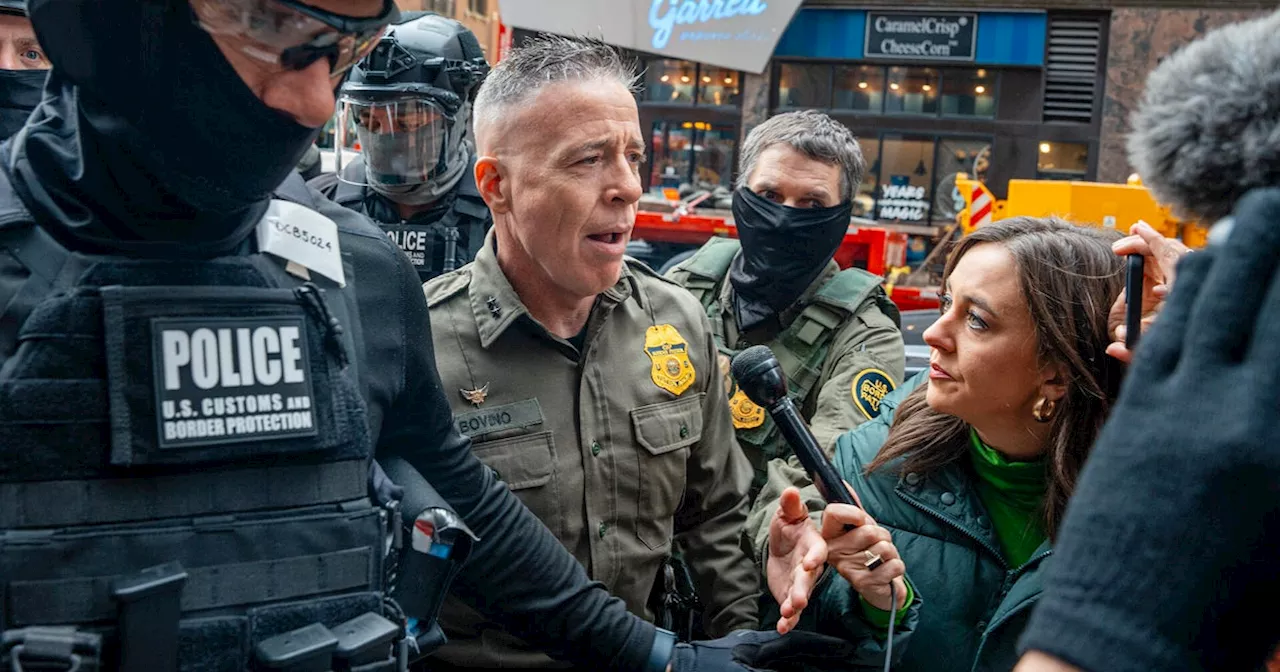
A group of journalists has requested that the same federal judge who previously issued an injunction against the U.S. Department of Homeland Security (DHS) oversee a newly filed lawsuit by the State of Illinois and the City of Chicago. This motion, submitted in the U.S. District Court for Northern Illinois, aims to assign the case to Judge Sara Ellis, who has already ruled on issues regarding the unlawful use of force by federal agents during protests.
The journalists, represented in the case known as Chicago Headline Club v. Noem, argue that the new lawsuit shares significant factual and legal similarities with their ongoing case. Their motion highlights that both cases revolve around allegations of excessive force used against Illinois residents, as well as claims of illegal, warrantless arrests made by federal agents. The plaintiffs assert that the defendants in both lawsuits include key figures from the Trump administration and agencies such as ICE and CBP.
In a significant turn of events, the new lawsuit was filed on January 15, 2024, as part of a broader effort to challenge the tactics employed during the controversial Operation Midway Blitz. This operation has come under scrutiny for its alleged unlawful immigration enforcement practices. The Illinois Attorney General, Kwame Raoul, has taken a firm stance against the actions of federal agents during this operation, which he claims involved illegal arrests and excessive use of force.
Judge Ellis has previously expressed concerns regarding federal agents’ conduct, particularly in light of the shooting death of Renee Nicole Good, a U.S. citizen who was killed by an ICE agent in Minneapolis. During a hearing last week, she stated, “If I dismiss this case, the preliminary injunction ceases to exist. And certainly, given my ruling, I believe that the evidence presented in this case justifies the need for a preliminary injunction to govern the actions of federal agents when they’re interacting with legal observers, journalists, and protesters.”
Following her findings, Judge Ellis issued an injunction that restricts federal officers from using certain force unless absolutely necessary. Her ruling emphasized that the aggressive use of force against peaceful protesters “shocks the conscience.” She concluded that the testimony provided by the Trump administration regarding the use of force was “simply not credible,” specifically citing instances where federal agents misrepresented the nature of threats posed by protesters.
As the journalists await a hearing on their motion, scheduled for January 18, 2024, they are looking to solidify legal protections for media personnel in the face of federal actions that they argue violate constitutional rights. The outcome of this case could have significant implications for the relationship between federal enforcement agencies and the media, as well as for the rights of individuals participating in protests and other public demonstrations.
The ongoing legal battles reflect a growing tension over the use of federal power, particularly in urban areas where protests have become increasingly common. As this situation develops, both the journalists and the State of Illinois appear poised to take a stand against what they view as unlawful federal overreach.
















