









































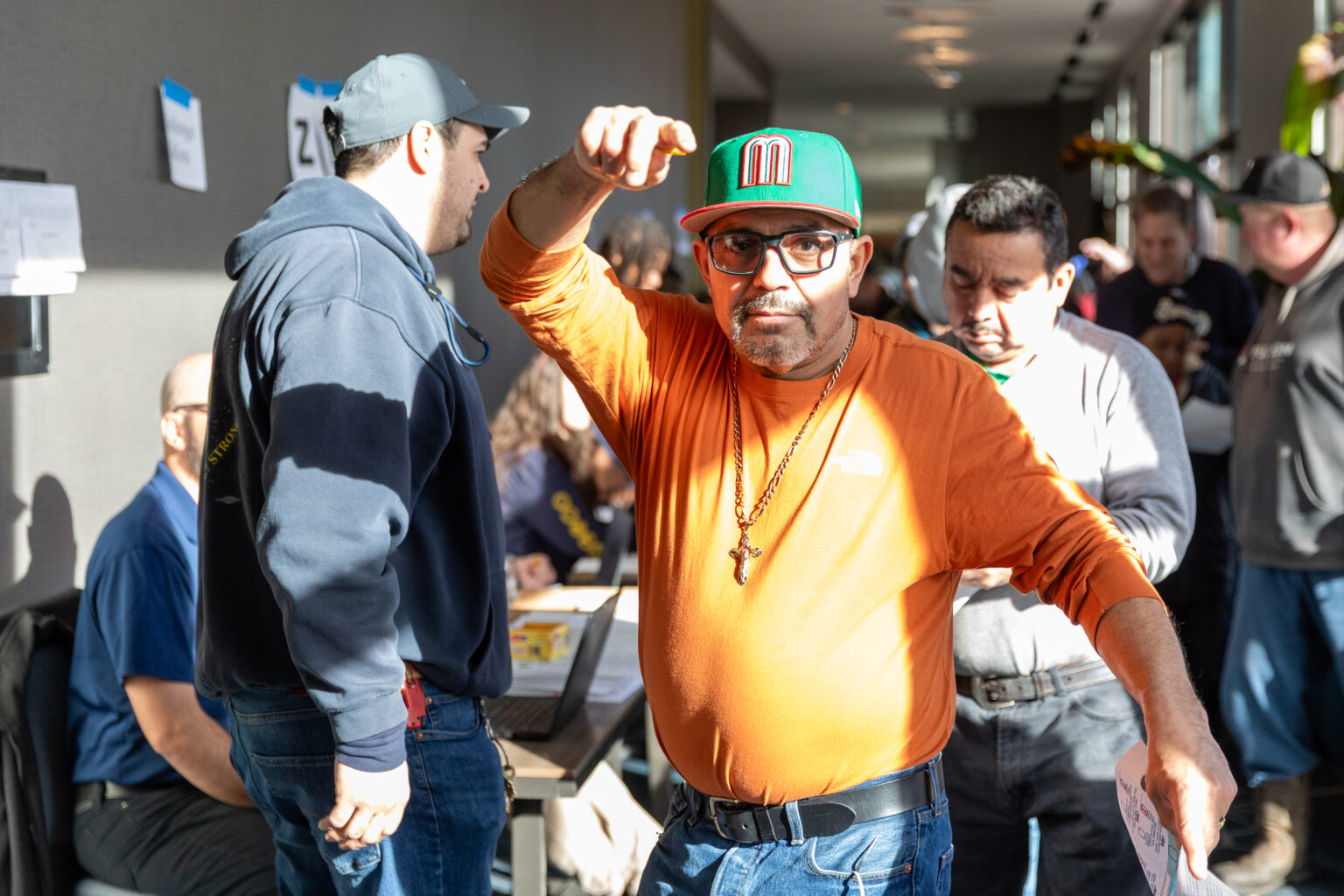
Workers at a JBS beef processing plant in Greeley, Colorado, have voted overwhelmingly to strike, despite facing potential deportation. This move comes as the Trump administration has sought to revoke the legal status of many Haitian migrants, putting their futures in jeopardy. On February 4, 2026, employees rallied for their rights amid ongoing disputes over poor working conditions at the facility.
The strike vote, conducted via secret ballot, followed months of contentious negotiations regarding pay and safety standards. Many of the workers involved are Haitian migrants, who make up a significant portion of the plant’s night shift. Concerns had escalated as contract talks continued without resolution, and workers expressed frustration over what they allege to be false recruitment practices amounting to human trafficking.
On the eve of the vote, union representatives from the United Food and Commercial Workers Local 7 distributed handbills in multiple languages, including Haitian Creole, to ensure that all workers were informed about the upcoming decision. The atmosphere outside the plant was tense, with large trucks waiting to unload cattle while union officials circulated among employees.
In recent months, some workers initiated short stoppages in protest of their working conditions, which they describe as dangerously fast-paced. They reported that the processing line operates at speeds that make it difficult to perform tasks safely, with allegations that the B shift processes up to 440 head of cattle per hour, significantly more than the A shift.
Adding to the urgency, many Haitian workers were at risk of losing their temporary protected status (TPS) on February 3, just before the strike vote. However, a last-minute ruling by US District Judge Ana C. Reyes temporarily halted the termination of TPS, citing concerns over discrimination against nonwhite immigrants. This ruling provided a brief reprieve, allowing the union to proceed with the strike vote without immediate fear of deportation.
Despite the relief, apprehension loomed among workers as they arrived to cast their ballots. Rumors of unmarked vans linked to Immigration and Customs Enforcement (ICE) raised concerns about potential detentions. Many workers expressed hesitation about voting due to fears of retaliation from JBS, which has a history of political connections that could influence their treatment.
As ballots were cast throughout the day, the union leadership remained hopeful yet cautious. Kim Cordova, president of Local 7, acknowledged the risks involved if the Supreme Court reinstated the Trump administration’s ability to terminate TPS. Nevertheless, she underscored that the sheer number of workers at the plant would make it challenging for JBS to replace them quickly.
When the counting concluded, the results were overwhelmingly in favor of a strike, with nearly 99% of votes cast for action. The union plans to give JBS a week to return to negotiations and address the workers’ grievances. Cordova expressed hope that JBS would reconsider its position, but union representatives made it clear that they were prepared for immediate action if necessary.
In a statement following the vote, JBS indicated respect for the collective bargaining process but also suggested that workers had not been allowed to vote on the company’s last offer. This was seen as an attempt to undermine the union’s authority and the workers’ demands.
The strike, if it occurs, would mark a significant moment in labor history at the Greeley plant. It would be the first major strike in the meatpacking industry since the Hormel strike of the 1980s. As the union prepares for potential action, they have already ordered 4,000 picket signs, signaling their readiness to stand firm for workers’ rights and improved conditions at the plant.
The situation at JBS highlights the broader challenges faced by immigrant workers in the United States, who navigate precarious job conditions while grappling with legal uncertainties. As the union moves forward, the eyes of many will be on Greeley, where the outcome could impact labor relations in the meatpacking industry for years to come.
















