Protests in Iran have escalated dramatically, leading authorities to target users of Starlink, a satellite internet service. The Iranian government is reportedly conducting door-to-door searches to confiscate Starlink terminals, which protesters have relied on to circumvent government-imposed internet restrictions. This crackdown coincides with a commitment from Elon Musk to increase access to the service for demonstrators.
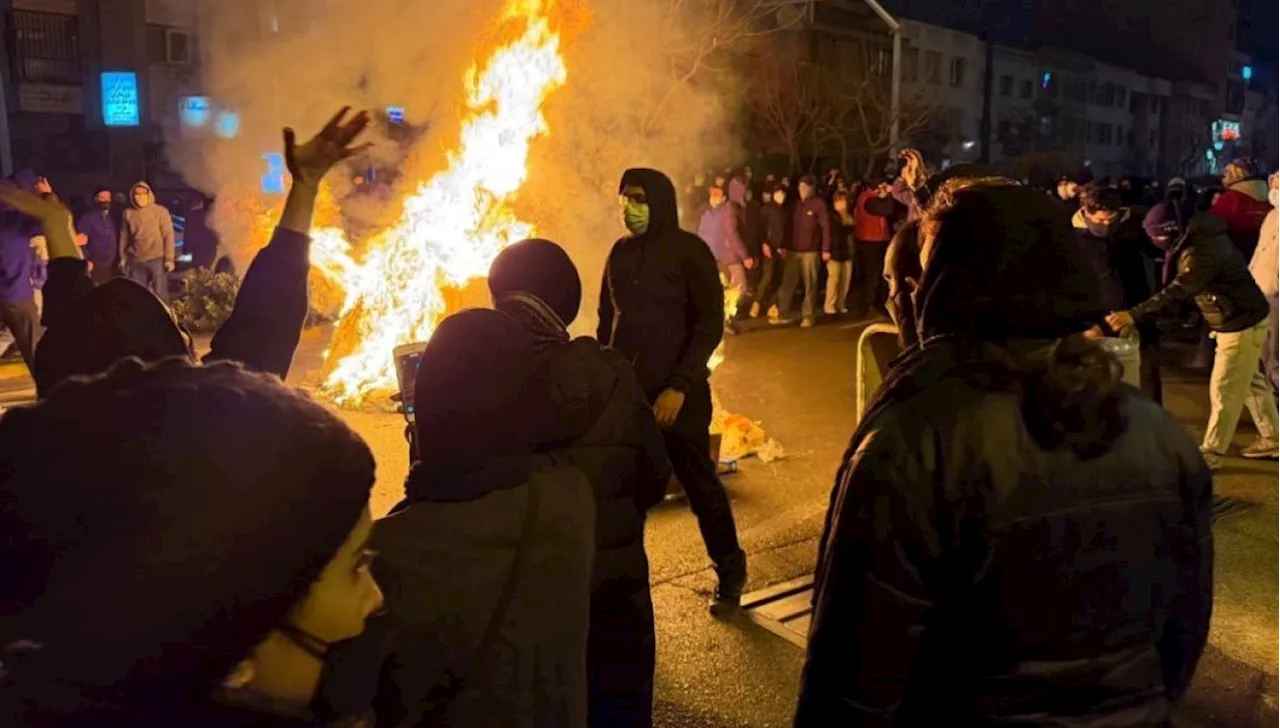
Since December 28, 2025, Iran has experienced one of its deadliest waves of protests since the 1979 revolution. Citizens have taken to the streets in response to a severe economic crisis, with the Iranian rial losing significant value and inflation rates exceeding 42%. As the protests intensified, the government cut off regular internet access for over 120 hours, aiming to suppress dissent and limit the flow of information regarding the crackdown on demonstrators.
Reports indicate that up to 80% of Starlink terminals have been disabled, a situation that has raised alarms among analysts. Despite this, videos and images of the protests continue to emerge. Mehdi Yahyanejad, co-founder of NetFreedom Pioneers, stated, “Starlink is pretty much the only way to connect, to send news out of the country. It’s been very critical. All these videos and pictures that have come out in the past few days have been sent out through Starlink.”
In a related development, former U.S. President Donald Trump expressed his intention to discuss with Musk the possibility of restoring Starlink services in Iran. “We may get the internet going, if that’s possible,” Trump said. He emphasized Musk’s expertise in technology, suggesting that the CEO of Tesla could play a crucial role in facilitating communication for protesters.
The Iranian government’s stringent measures come as the death toll from the protests has surged, with estimates ranging from 500 to over 12,000 fatalities. Eyewitness accounts describe horrific scenes, including reports of security forces from the Islamic Revolutionary Guards Corps using heavy weaponry against largely unarmed protesters. The lack of reliable communication channels has made it challenging to verify the extent of casualties.
As conditions worsen, the protests have drawn international attention. The demonstrators are not only protesting against economic mismanagement but also against broader issues such as corruption and authoritarian governance. The protests have become a focal point for discussions about human rights and the need for accountability.
The Iranian authorities’ attempts to control the narrative and suppress dissent through technology demonstrate a growing trend among governments to limit access to information during civil unrest. As the situation develops, the global community watches closely, with many advocating for the protection of free speech and the right to protest.
Despite the challenges faced by protesters in Iran, the resilience shown in their efforts to communicate and organize continues to garner international support. As discussions around restoring internet access unfold, the role of technology in facilitating communication during crises remains critical.