






















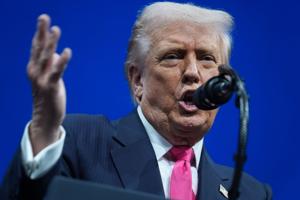














Indiana’s Lieutenant Governor, Micah Beckwith, expressed concerns that the Trump administration may withdraw federal support from the state following a significant redistricting failure. On March 31, 2023, a group of Republican lawmakers in Indiana voted 31-21 against a redistricting proposal that had been advocated by former President Donald Trump‘s team and the conservative organization, Heritage Action.
Beckwith faced questions after the vote regarding whether Trump had threatened to cut federal funding in response to the lack of support from Indiana Republicans. While he did not confirm any direct threats, he indicated that the administration might reconsider its partnerships with the state. “I suspect that the Trump administration will look to other states to partner with,” Beckwith stated. He emphasized that conversations had taken place, but clarified, “It’s not a threat. It’s an honest conversation about who does the administration want to partner with.”
The lieutenant governor specifically mentioned the potential loss of a partnership related to a USDA Hub that could have benefited the state. He noted that Indiana’s decision to reject the proposed redistricting plan might affect future collaborations with federal projects.
Beckwith was not heavily involved in the redistricting push but has publicly supported a primary challenge against Rodric Bray, the state Senate President Pro Tempore, who has faced criticism for not advocating strongly for the redistricting initiative. Indiana Governor Mike Braun echoed Beckwith’s sentiments, expressing disappointment in the decision made by a minority of senators. “I will be working with the President to challenge these people who do not represent the best interests of Hoosiers,” Braun remarked.
The failed redistricting effort is seen as a significant political misstep by some Indiana Republicans, heightening tensions within the party. The proposed congressional map aimed to ensure that all nine of Indiana’s congressional districts would lean Republican, a goal supported by Trump’s administration.
As the political landscape in Indiana evolves, the implications of this vote may extend beyond immediate funding concerns. The ongoing struggle between traditional Republican values and the more aggressive, Trump-aligned factions could redefine political alliances and influence future elections in the state.
The Indiana redistricting situation exemplifies the broader challenges facing the Republican Party as it navigates internal divisions while attempting to align with Trump’s vision. As the party moves forward, the consequences of this pivotal vote may resonate in both state and national politics.