









































The House Oversight and Government Reform Committee convened on January 13, 2024, at 14:00 ET to evaluate innovative tools aimed at detecting and preventing fraud within federal programs. This hearing highlights the ongoing efforts to strengthen accountability and transparency in government operations, particularly in light of recent challenges posed by fraud.
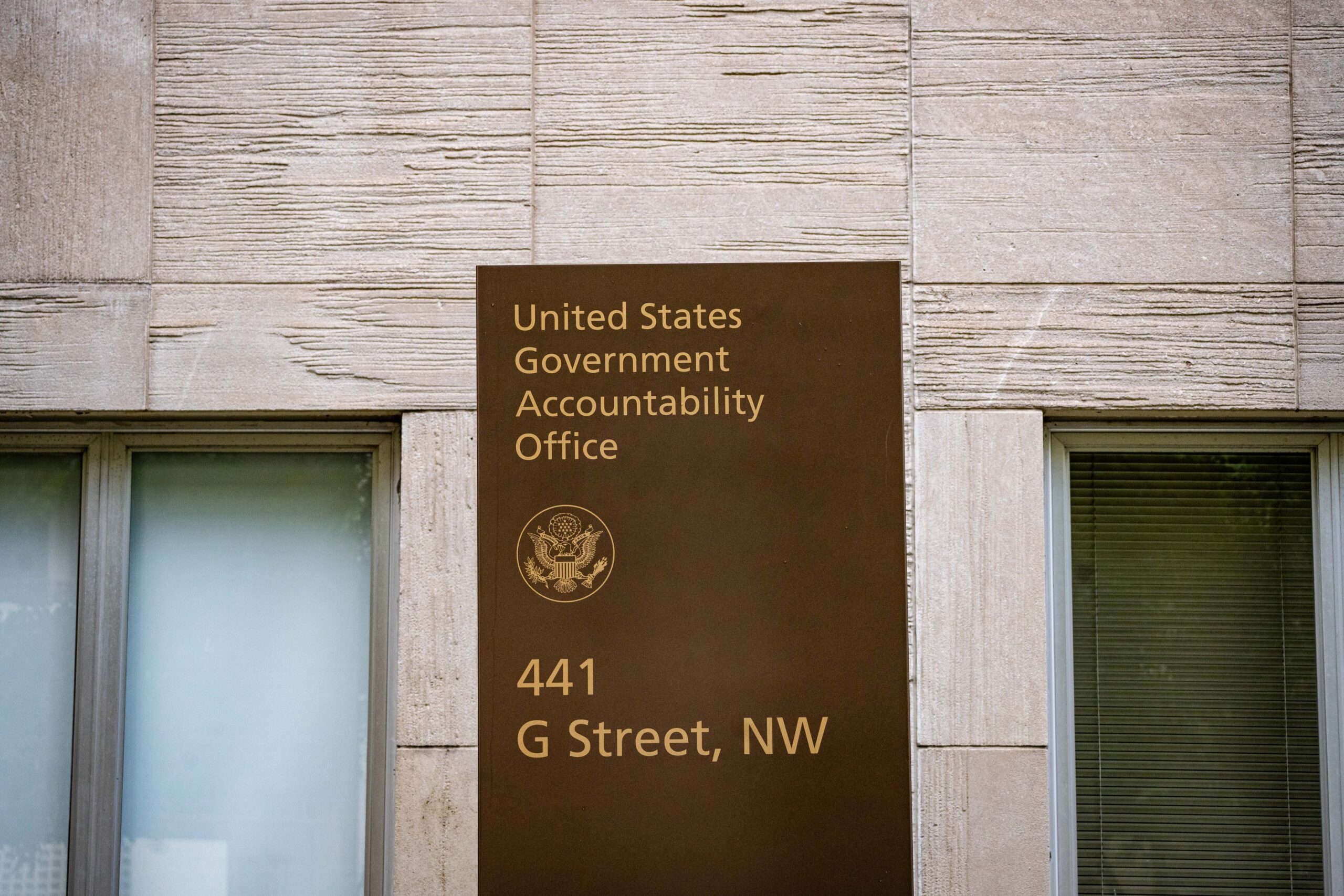
The committee welcomed a panel of expert witnesses, including Sterling Thomas, chief scientist at the U.S. Government Accountability Office (GAO), who provided insights into the effectiveness of current detection technologies. He emphasized the necessity for federal agencies to adopt advanced analytical tools that can significantly reduce instances of fraud.
In addition, Ken Dieffenbach, executive director of the Pandemic Response Accountability Committee, discussed the unique challenges that arose during the COVID-19 pandemic. Dieffenbach pointed out that the rapid deployment of relief funds led to an increase in fraudulent claims, underscoring the urgency of implementing robust safeguards in federal financial systems.
Another key contributor, Renata Miskell, deputy assistant secretary for Accounting Policy & Financial Transparency at the U.S. Department of the Treasury, presented strategies for enhancing financial oversight. Miskell stressed the importance of integrating technology with policy reforms to create a more resilient framework against fraud.
The committee’s exploration of these subjects reflects a broader push for improving governmental integrity and public trust. As federal programs face increasing scrutiny, the emphasis on innovative solutions is paramount for safeguarding taxpayer dollars.
The hearing serves as a critical step in fostering collaboration among various agencies and experts dedicated to addressing the complexities of fraud prevention. The insights gathered from this session will likely inform future legislative measures aimed at enhancing the efficacy of federal oversight mechanisms.
With the stakes high and public confidence in government operations at risk, the findings from this committee meeting will contribute significantly to shaping policies that protect against fraud while ensuring that federal resources are utilized effectively and responsibly.
















