




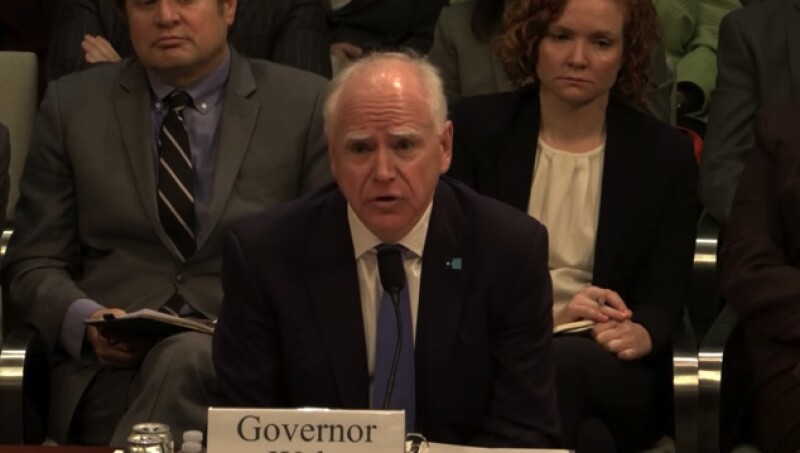
























Governor Tim Walz and Attorney General Keith Ellison provided testimony before the House Oversight and Government Reform Committee in Washington on March 4, 2024. This hearing is part of an ongoing investigation into fraud and misuse of federal funds in Minnesota. It follows a previous hearing held on January 7, which included testimony from three Republican state representatives.
In recent months, federal agents have increased their presence in Minnesota due to rising concerns over fraud. This heightened scrutiny coincides with Governor Walz’s abrupt decision to suspend his reelection campaign amid national attention on the issue, particularly during the holiday season.
During his opening remarks, Walz acknowledged that while Minnesota’s state programs have significantly fulfilled their intended goals, they are not exempt from fraudulent activities. He emphasized that anyone caught stealing taxpayer dollars would face severe consequences: “We’ll find you, we’ll prosecute you, we’ll convict you, and we’ll throw you in jail.”
Criticism of Federal Operations
Walz also criticized Operation Metro Surge, a federal initiative aimed at addressing fraud. He accused the federal government of sending untrained and unaccountable agents into Minnesota communities. “They have violated the constitutional rights of our citizens. They have ignored court orders. They have shot first and asked questions later,” Walz stated, highlighting what he described as a detrimental impact on local communities.
In contrast, Committee Chair Rep. James Comer from Kentucky framed the hearing as a reflection of “a failure of leadership.” He asserted that for years, both Walz and Ellison have overseen significant lapses in oversight. “Billions of taxpayer dollars were stolen from social service programs while warnings piled up, whistleblowers spoke out, and state officials chose delay and denial over action,” Comer said.
The tensions between state and federal officials reflect a broader debate on the effectiveness of oversight and accountability in managing public funds. As hearings continue, the implications for both Minnesota residents and the federal government remain significant.
As the investigation unfolds, the focus will likely remain on the challenges of preventing fraud while ensuring that necessary federal resources assist rather than undermine local governance. Both Walz and Ellison’s testimonies highlight the complexities of navigating these issues in a state grappling with the consequences of mismanagement and fraud.
















