








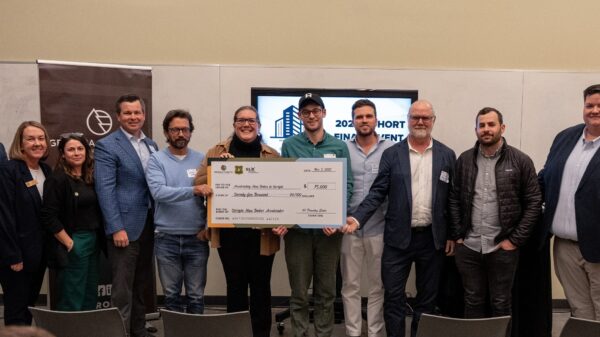





























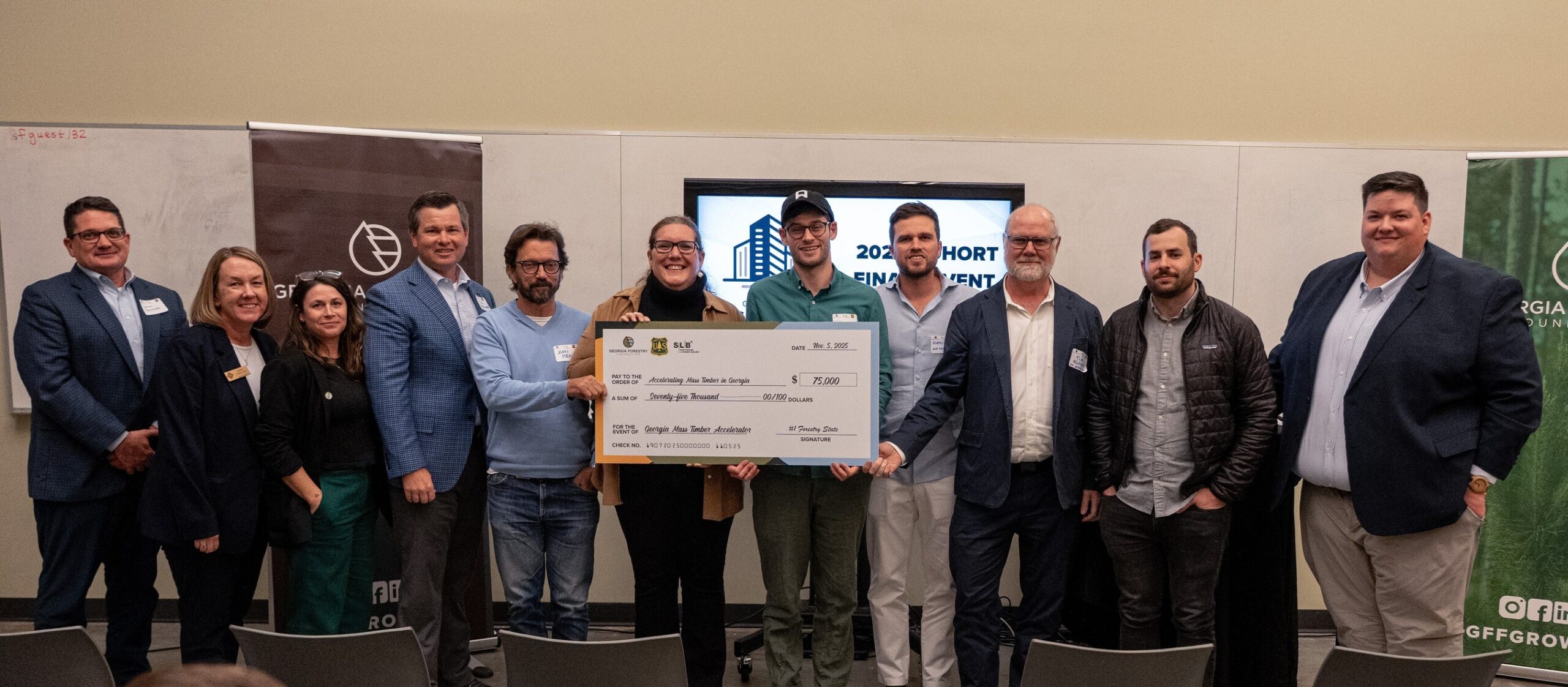
The Georgia Forestry Foundation, in collaboration with the USDA Forest Service and the Softwood Lumber Board, has awarded $75,000 in funding to the inaugural cohort of the Georgia Mass Timber Accelerator. This initiative aims to explore and promote the use of mass timber in various building projects across Georgia, highlighting its sustainable advantages and versatility in construction.
The selected projects encompass a range of residential, educational, and community-oriented buildings, showcasing the low carbon footprint associated with mass timber construction. Each project team also benefited from technical support provided by WoodWorks – Wood Products Council, which aided in the integration of mass timber elements into their designs.
Showcasing Innovative Mass Timber Projects
At the finale event held at SouthFace Institute in Atlanta, project teams presented their progress and outlined future development plans. Key projects include:
– **501 Edgewood** in Atlanta: This mixed-use development will expand an existing steel masonry commercial building by adding four stories of mass timber. Led by NO Architecture, Equilibrium Consulting, and Welborn Henson, the project exemplifies how mass timber can modernize older structures while adhering to contemporary sustainability criteria.
– **Chattahoochee Nature Center** in Roswell: The new River Welcome Center will be constructed using mass timber, reinforcing the commitment to eco-friendly materials in community spaces. Designed by Houser Walker Architecture and built by Gay Construction Company, this center will serve as a gateway for visitors and connect them to the organization’s mission and the surrounding landscape.
– **1500 Waters** in Savannah: A proposed four-story residential building, covering 18,000 square feet, will be constructed in Savannah’s Live Oak neighborhood. This project emphasizes sustainable housing through the use of regionally sourced Southern Yellow Pine, balancing environmental and economic benefits. The team includes Algoma, ACE Real Estate, and Aspect Structural Engineering.
Driving Growth and Sustainability in Georgia
“This funding represents a significant advancement for mass timber construction in Georgia,” said Matt Hestad, Senior Vice President of the Georgia Forestry Foundation. “The Accelerator serves as a launchpad for innovative mass timber design, offering architects, engineers, and developers the resources to elevate their projects statewide.”
According to Brian Brashaw, Assistant Director for Wood Innovations at the USDA Forest Service, the partnership with the Georgia Forestry Foundation aims to stimulate the growth of mass timber initiatives in the state. Brashaw noted the encouraging diversity in project types utilizing mass timber construction.
Ryan Flom, Chief Marketing Officer for the Softwood Lumber Board, emphasized the collaborative effort among public agencies, industry partners, and design teams. He stated, “Georgia is demonstrating how sustainable wood construction can boost local economies, reduce carbon emissions, and provide high-quality spaces for communities.”
As part of its long-term strategy, the Accelerator is establishing Mass Timber Hubs in key cities, including Atlanta, Savannah, Macon, Columbus, and Athens. These hubs will facilitate local engagement and collaboration among architects, engineers, developers, and city planners. By leveraging existing partnerships, the initiative aims to raise awareness about the benefits of mass timber construction and accelerate the adoption of sustainable building practices throughout Georgia.
For further details about the Accelerator, local Mass Timber Hubs, or to subscribe to the Georgia Mass Timber Report, interested parties can contact Glo Camacho via email at [email protected] or visit georgiamasstimber.org.
The Georgia Forestry Foundation, established in 1990, is dedicated to ensuring the sustainability of Georgia’s 22 million acres of private working forests. The foundation focuses on educating the public about the value of these forests and capitalizing on opportunities to enhance environmental benefits, create jobs, and build sustainable communities.