



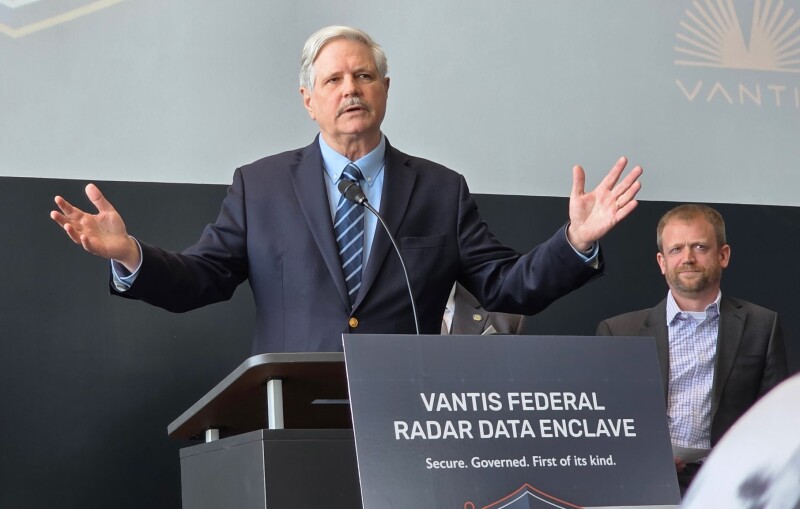
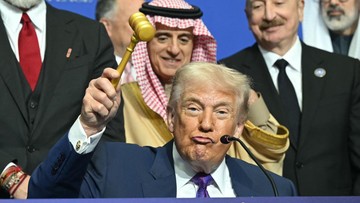
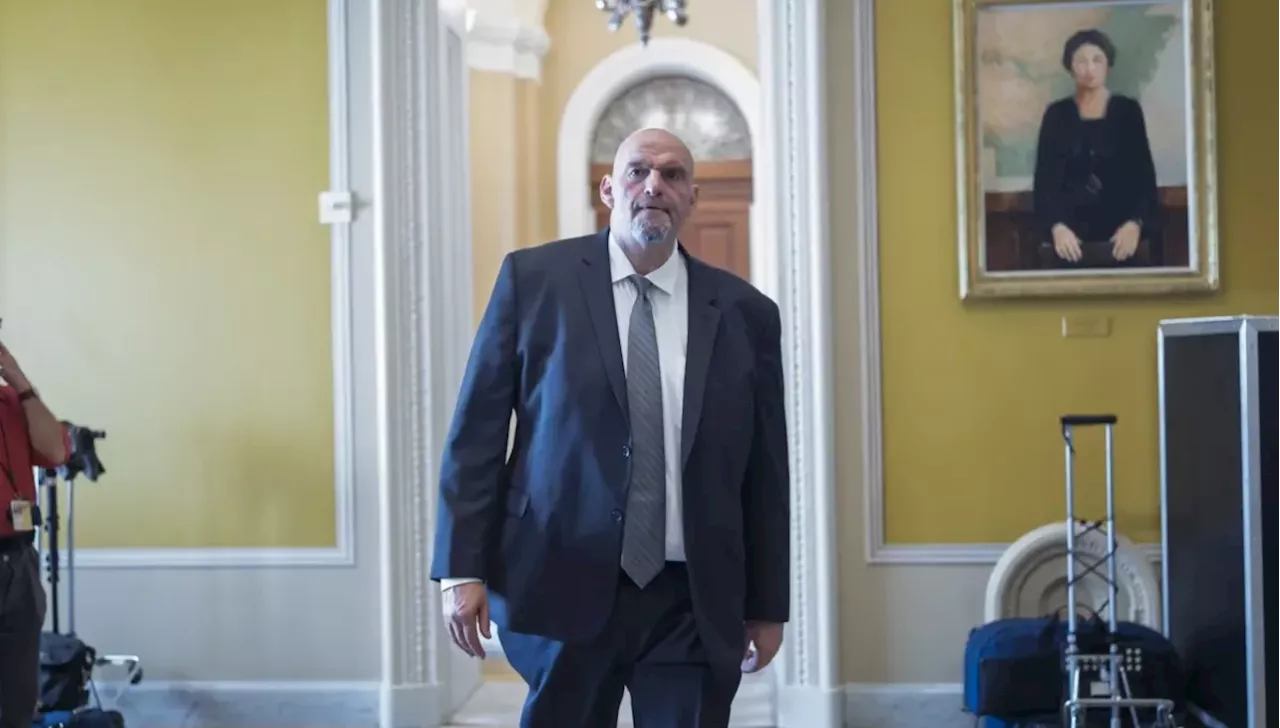























Pennsylvania Senator John Fetterman publicly supported the recent U.S. military strikes against Iran, becoming one of the first Democrats to do so. His endorsement comes amid a backdrop of significant political division regarding the strikes, which were executed in coordination with Israel. Fetterman’s comments were made via social media on Saturday morning, where he praised President Donald Trump for taking what he termed “necessary” actions to foster peace in the region.
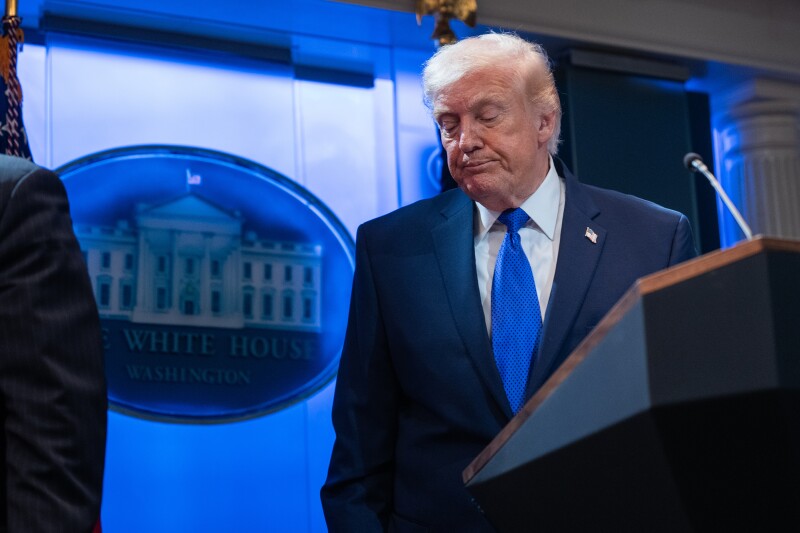
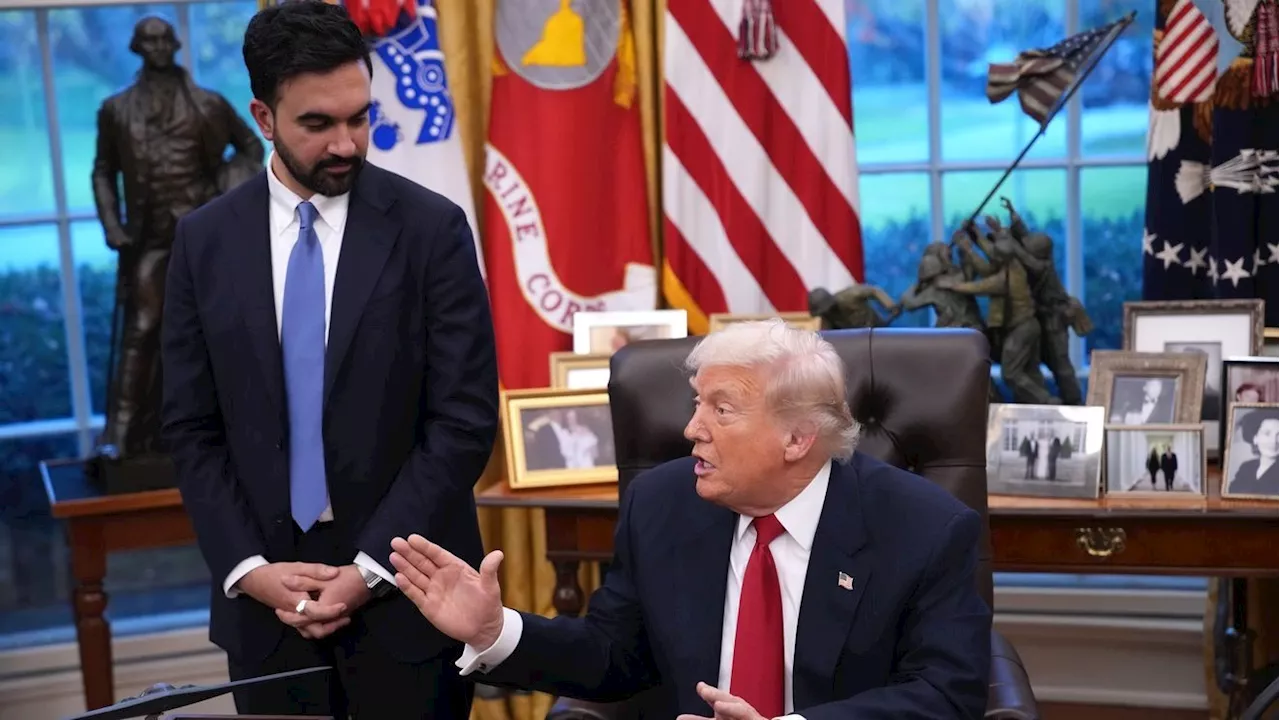
“President Trump has been willing to do what’s right and necessary to produce real peace in the region,” Fetterman stated. The U.S. strikes, referred to as Operation Epic Fury, aimed to neutralize perceived threats from the Iranian regime, with the intention of safeguarding American national security. Trump emphasized the military’s role, declaring that the operation was essential to dismantle Iran’s capacity to pose a danger to the United States.
Details of Operation Epic Fury
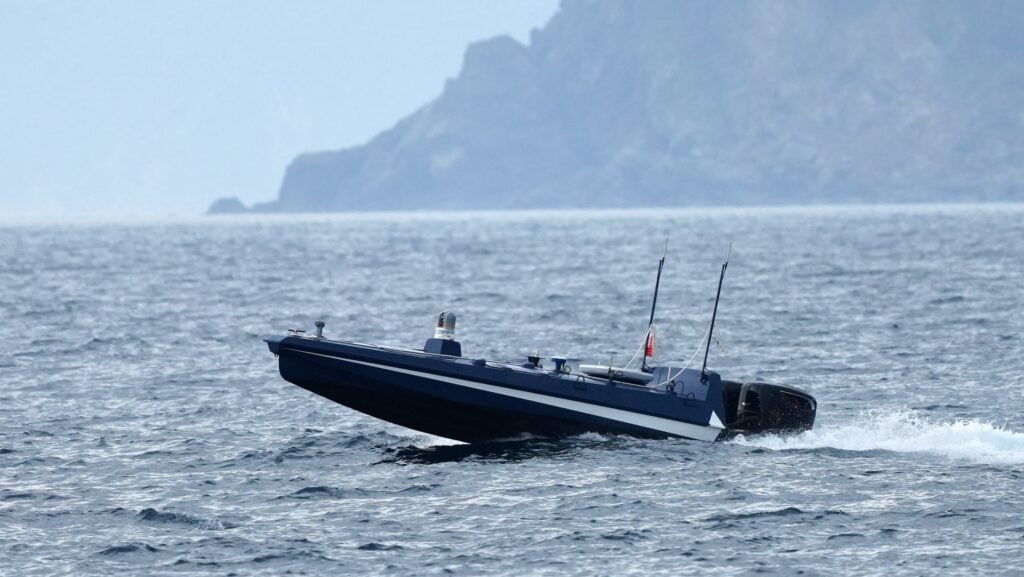
Early on Saturday, the U.S. launched a series of coordinated attacks targeting Iranian military capabilities. Trump remarked on the military’s objectives, stating, “Our objective is to defend the American people by eliminating imminent threats from the Iranian regime.” He further noted a commitment to destroying Iranian missile capabilities and asserted that the U.S. military’s efforts would effectively “annihilate” Iran’s naval forces.
Fetterman’s support for the strikes diverged from the broader Democratic response, where many members of the party expressed disapproval of U.S. military involvement in Iran. Republican lawmakers have predominantly lauded the military action. In the lead-up to these strikes, Fetterman had made clear his stance favoring potential military intervention, stating, “Sure, absolutely. And now if it continues to make more sense, absolutely.”
Previous Military Actions and Legislative Stance
Fetterman has consistently aligned himself with military action against Iran. In June, he joined Republican colleagues in rejecting a resolution that would have restricted military engagement without explicit Congressional approval. Reflecting on his previous support, Fetterman stated, “I think I was the only Democrat that fully supported our strike of the Iranian nuclear facilities last year.” He underscored the importance of preventing Iran from developing nuclear weapons, emphasizing that such a threat should not be tolerated.
His remarks underscore a distinct approach among some Democrats regarding military policy in the Middle East. While many in his party have voiced opposition to the strikes, Fetterman continues to advocate for decisive action against what he describes as a “wicked, radical dictatorship.”
As the situation unfolds, reactions will likely continue to be polarized, reflecting deep divisions not only between the two major parties but also within them. The implications of these military actions for U.S. foreign policy and regional stability in the Middle East remain to be fully assessed.
















