









































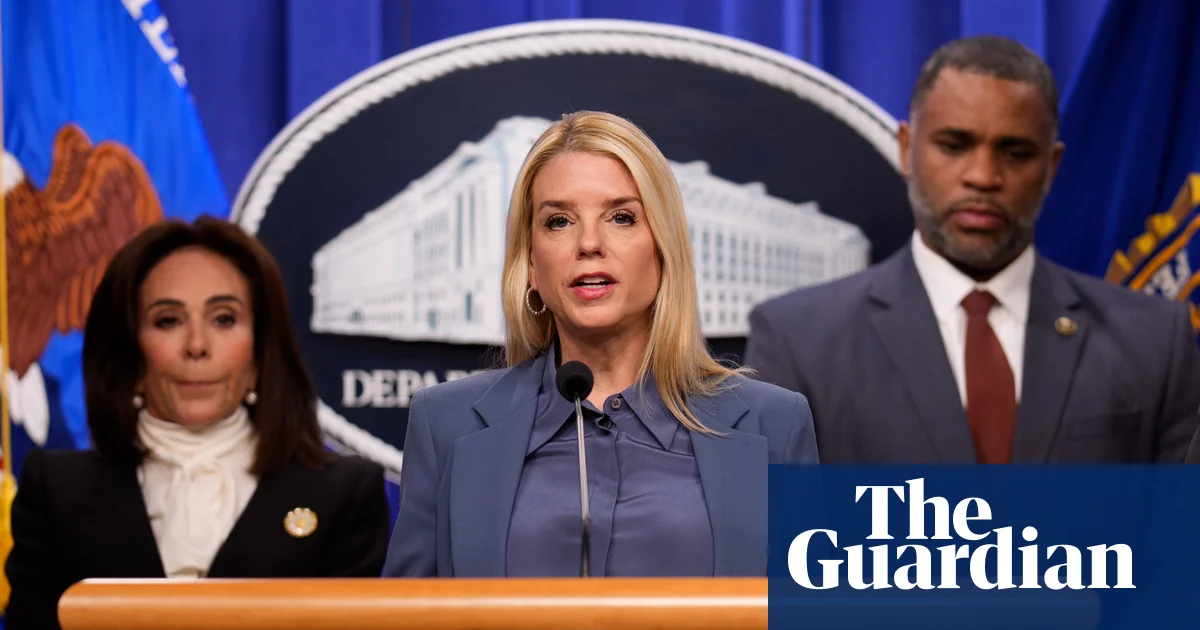
On July 11, 2023, Joseph Tirrell, the top ethics official at the U.S. Department of Justice (DoJ), received shocking news: he was terminated from his position via an email sent to his personal account. The message was signed by Pam Bondi, the U.S. Attorney General, but it did not provide a reason for his dismissal. The email also misspelled his name, calling him “Jospeh W Tirrell.”
When Tirrell contacted his superiors at the DoJ, they initially expressed surprise before confirming his termination. His dismissal is part of a wider pattern, as numerous career federal employees have faced similar fates this year. Those affected include prosecutors involved in the January 6 investigations and FBI agents who participated in demonstrations advocating for racial justice. Tirrell has since filed a lawsuit against the DoJ, claiming wrongful termination.
In his role, Tirrell was responsible for overseeing ethics compliance and training senior officials on their obligations. Early in the year, he anticipated scrutiny from the new administration due to his involvement in allowing special counsel Jack Smith access to pro-bono legal services from a private firm. He asserted that this was permissible under existing ethics rules. As time progressed and he retained his position, Tirrell believed he was secure.
Reflecting on his experience, Tirrell expressed concern over the implications of such firings. Many former employees and experts have voiced that these actions foster a climate of fear among civil servants, undermining the non-partisan ethos that protects federal workers from political pressures. “The reason to fire the senior ethics attorney at DoJ is pretty clear. It’s to send a message,” Tirrell stated. “The message is: ‘Do what we tell you to do, or you’ll lose your job.’”
Tirrell, who began his career as an ethics lawyer with the FBI in 2006 before joining the DoJ in 2018, noted a shift in the administration’s approach to ethical matters. He had previously managed straightforward inquiries about gift acceptance and event attendance, but found himself embroiled in contentious issues that typically would have been resolved quickly.
During a training session with Bondi, Tirrell prepared to discuss significant topics such as the Hatch Act and ethical concerns surrounding her former work for Trump. However, he noted that the focus instead shifted to minor details, such as whether Bondi could accept commemorative challenge coins from subordinates. “We spent more time than I thought was warranted on something, in frankly my view unimportant,” he remarked.
Tirrell recounted an incident where Bondi received a box of cigars from mixed martial arts fighter Conor McGregor to celebrate her appointment as attorney general. The gift exceeded the allowable value under DoJ ethics rules. He suggested that the department could display the cigars instead of Bondi personally benefiting from them. “Nobody gets to smoke the cigars,” he said.
Despite his efforts to navigate these ethical challenges, Tirrell faced pushback from Bondi’s office. Further complicating matters, he was tasked with addressing gifts from FIFA, which included a scarf and a soccer ball valued above the permissible limit. “We were going back and forth about keeping this for display,” he explained.
As discussions about accepting tickets to a FIFA event in July 2025 progressed, Tirrell provided guidance indicating that Bondi and her staff should not attend. Shortly after he communicated this advice, Bondi was photographed at the event with Trump. “Maybe the attorney general paid for that ticket or a ticket of her spouse,” he speculated, questioning the integrity of the situation.
Tirrell also raised alarms about proposals involving private law firms offering pro-bono work as part of agreements with the Trump administration. He argued that such arrangements could lead to conflicts of interest and ethical breaches. “These are not obstacles. These are safety guidelines,” he emphasized.
Having joined the Navy at 15, Tirrell dedicated his professional life to serving the United States. He found fulfillment in his role at the FBI, contributing to significant cases, including providing support in the aftermath of the 2016 Pulse nightclub shooting. “I loved every minute of it,” he said, expressing his dismay at the turn of events following his dismissal.
The ongoing challenges surrounding ethics within the DoJ highlight the precarious position of career officials who aim to uphold ethical standards while navigating the complexities of political influence. As Tirrell’s case unfolds, it underscores the potential ramifications for government employees committed to their roles in maintaining integrity and accountability.
















