









































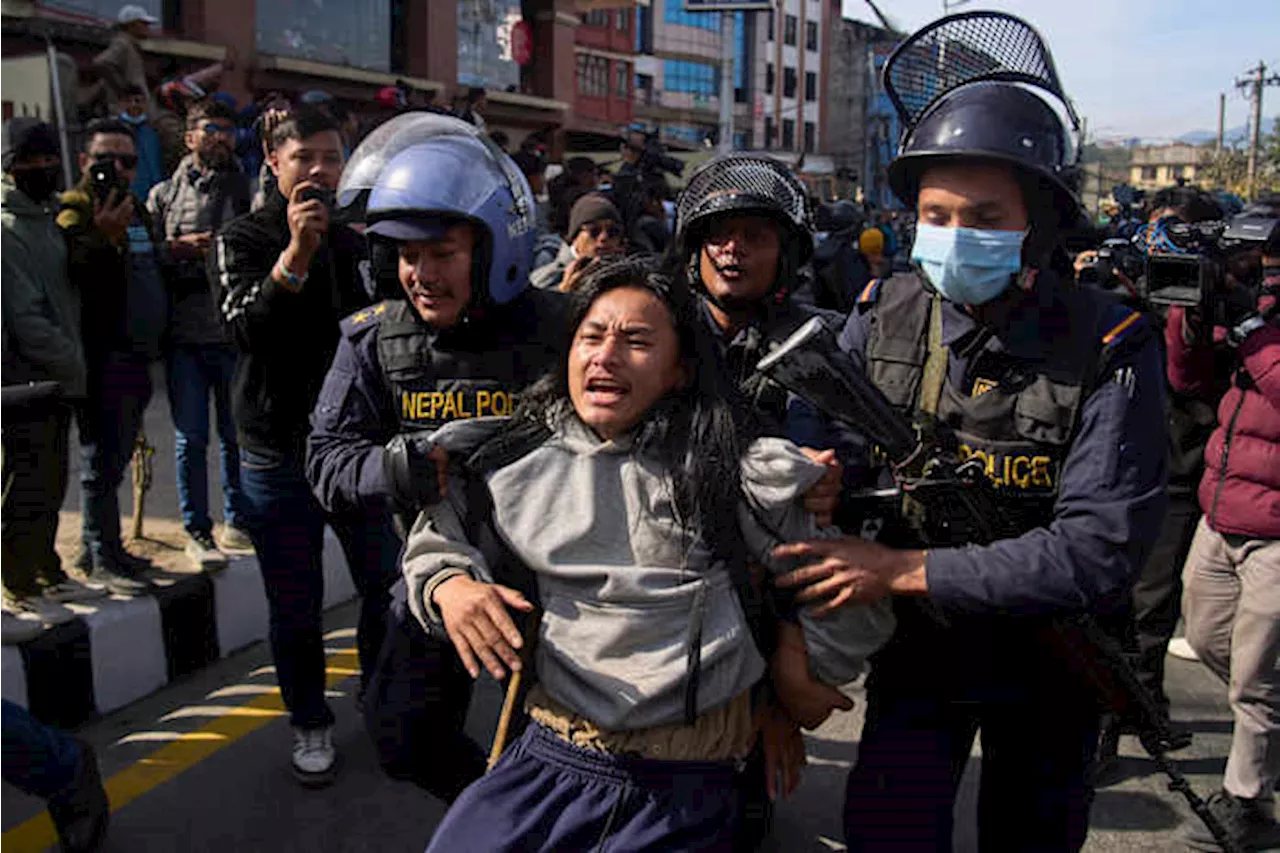
The ongoing protests in Nepal, initially ignited by restrictions on social media and rampant corruption, have left many participants feeling disillusioned with the interim government’s failure to fulfill its promises. Since the protests began in September 2023, the movement has escalated, resulting in at least 76 fatalities and over 2,300 injuries. The discontent is palpable as citizens express their frustration over the lack of accountability and meaningful change.
The protests, driven by a wave of activism among Gen Z individuals, erupted after a government ban on social media and allegations of corruption. Demonstrators clashed with police, attempted to breach parliament, and engaged in significant civil unrest, including the destruction of government buildings and the homes of prominent politicians. In response to the chaos, the military intervened to restore order, leading to the appointment of an interim government on September 12, 2023.
Despite the interim government’s assurances to address the protesters’ concerns, many feel betrayed. Mukesh Awasti, a 22-year-old who lost his leg during the protests due to gunfire from security forces, voiced his regret over his involvement. “I expected change, but now I see no accountability for the violence,” he said, reflecting the sentiments of countless others who participated in the movement.
Continuing Frustration and Demands for Justice
The absence of legal consequences for politicians accused of corruption has fueled ongoing demonstrations. Protesters are increasingly vocal about their demands for justice, not only for themselves but also for the victims of the violence during the September protests. Suman Bohara, who now walks with crutches because of his injuries, highlighted the sense of betrayal felt by many who once hoped for reform. “The government has not addressed our grievances or provided real support,” he stated.
The movement’s demands have grown more diverse, with factions calling for changes such as the direct election of prime ministers, constitutional revisions, and the imprisonment of former leaders implicated in corrupt practices. Yet, the lack of unified leadership and a cohesive agenda has hindered the movement’s effectiveness, complicating the government’s response.
As the elections scheduled for March 5, 2024 approach, the situation remains tense. While the interim government has pledged to facilitate a smooth electoral process, analysts suggest that the unresolved issues and the fractured nature of the protest movement could pose significant challenges. The ongoing unrest serves as a stark reminder of the unmet expectations of the populace and the quest for accountability.
A Complex Path Forward
With demonstrators returning to the streets, the protests underscore the deep-rooted frustrations regarding corruption and the government’s failure to deliver on its promises. The sentiment among participants reflects a profound sense of anger and disappointment, as they continue to demand justice for both victims and their families. The apparent inaction from the government has only intensified feelings of betrayal among those who once believed in the potential for change.
The current political climate in Nepal is at a critical juncture. The upcoming elections are viewed as a pivotal moment for the country, yet the underlying tensions suggest that the path toward stability and genuine reform is fraught with complications. The diverse demands of the protesters, coupled with the absence of clear leadership, present significant obstacles in navigating this complex landscape.
As the situation unfolds, the world watches closely, aware that the outcome of these protests and the forthcoming elections will have lasting implications for the future of governance and civil rights in Nepal.
















