









































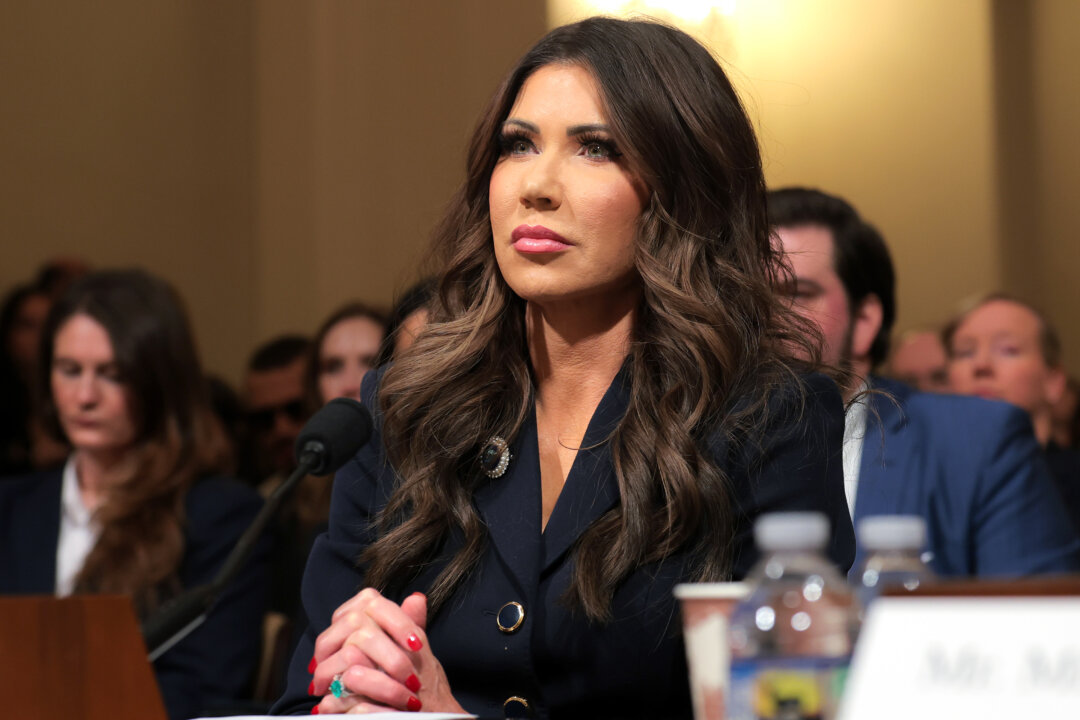
Homeland Security Secretary Kristi Noem announced that “hundreds more” federal officers will be dispatched to Minneapolis on March 10 and 11, 2024, to support immigration-related enforcement operations. This move aims to bolster the efforts of the Immigration and Customs Enforcement (ICE) and Border Patrol agents currently operating in the area.
In an interview on Fox News’ “Sunday Morning Futures,” Noem stated, “We’re sending more officers today and tomorrow; they’ll arrive, there’ll be hundreds more, in order to allow our ICE and our Border Patrol individuals that are working in Minneapolis to do so safely.” This announcement follows the recent deployment of approximately 2,000 federal immigration agents to the city, indicating a significant escalation in federal presence in the region.
The Secretary emphasized that the operations are focused on addressing criminal activities involving illegal immigrants in the Twin Cities. Reports have surfaced regarding widespread fraud concerning federal entitlement benefits, which Noem highlighted as a pressing issue that necessitates immediate action.
The Department of Homeland Security’s increased efforts are part of a broader strategy to enhance community safety and uphold federal immigration laws. This initiative aims not only to apprehend those involved in criminal activities but also to create a safer environment for residents.
The deployment of additional officers has drawn mixed reactions from the community. Some residents express concern over the implications of a heightened federal presence, while others welcome the government’s commitment to addressing crime and maintaining order.
As federal agents begin their operations in Minneapolis, the local law enforcement agencies are expected to collaborate closely with ICE and Border Patrol officials. The coordination aims to ensure that the operations are conducted efficiently and respectfully, minimizing disruptions to the community.
Noem’s announcement reflects ongoing challenges faced by federal authorities in managing immigration and law enforcement in urban areas. As the situation develops, further updates from the Department of Homeland Security are anticipated, particularly regarding the outcomes of these operations and their impact on local communities.
















