









































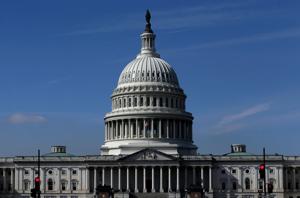
Key members of Congress are calling for an urgent vote on a war powers resolution following President Donald Trump’s recent military strike on Iran. The resolution aims to limit the president’s ability to engage in military operations without Congressional approval, raising concerns about the legality of the actions taken and the potential for escalating conflict in the Middle East.
On Saturday, Trump ordered a targeted attack that has sparked considerable debate among lawmakers in both the House of Representatives and the Senate. Members of Congress are warning that this unilateral action could deepen U.S. involvement in a volatile region, necessitating a formal discussion regarding the administration’s military authority. The president’s Republican Party holds a slim majority in Congress, yet there is bipartisan interest in reviewing the scope of the president’s powers.
Demands for Congressional Oversight
In anticipation of the upcoming debate, lawmakers have prepared resolutions long before the recent strikes, illustrating a proactive approach to addressing concerns over executive military actions. The proposed war powers resolution will likely be considered during a rare discussion next week, which serves as a critical referendum on Trump’s decision to proceed without formal authorization.
Members from both parties have expressed apprehension regarding the implications of Trump’s actions. The potential for increased military engagement raises alarms about the future of U.S. foreign policy in the region. Critics argue that without Congressional oversight, the risks of unintended consequences could grow significantly.
Legal and Political Implications
The debate will not only focus on the immediate legal ramifications of the military action but also the broader implications for the balance of power between Congress and the presidency. The War Powers Resolution, enacted in 1973, was designed to ensure that Congress retains authority over military engagements, a principle that many lawmakers feel is being undermined.
As the situation unfolds, the administration faces scrutiny regarding its strategy in Iran and the potential fallout from its decision to act unilaterally. The discussions in Congress will be closely monitored by both domestic and international observers, as they seek to understand the future trajectory of U.S. military involvement in the Middle East.
In summary, the urgent call for a Congressional vote signals a pivotal moment in U.S. governance, where the intersection of military action and legislative authority is under intense examination. As lawmakers prepare for next week’s debate, the implications of Trump’s actions will likely influence the political landscape for years to come.
















