









































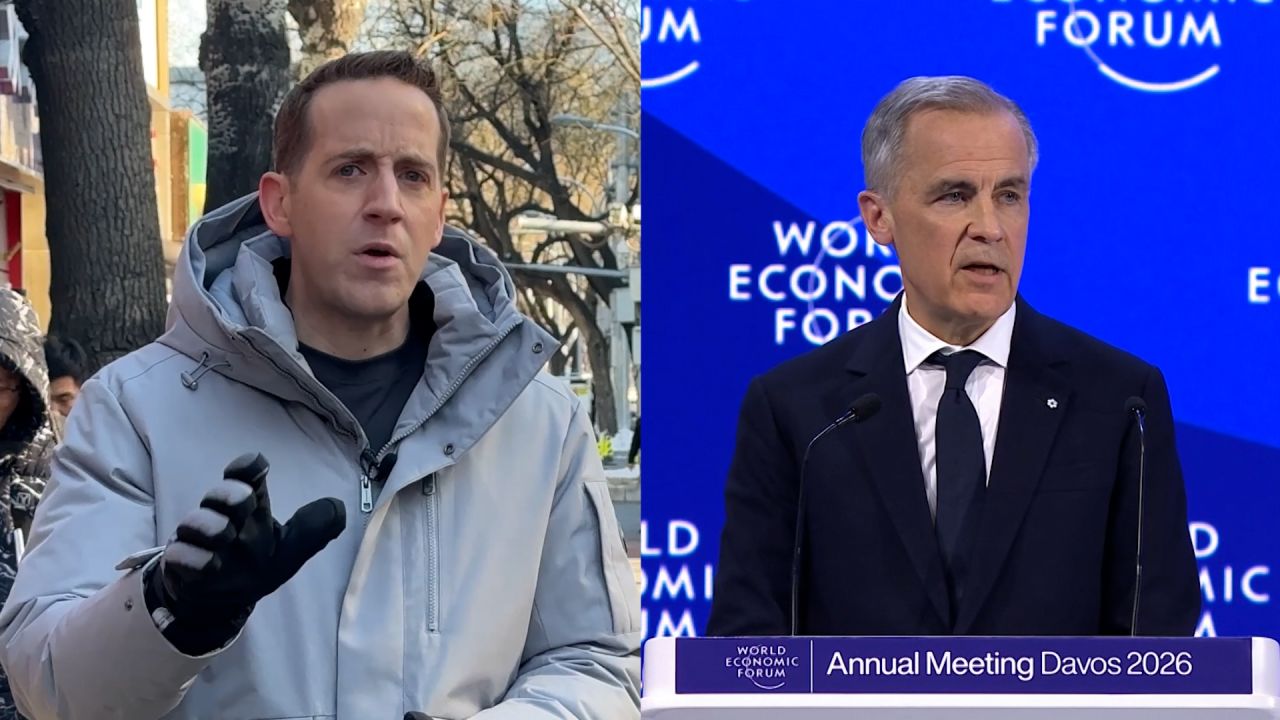
As global trade tensions escalate, particularly with President Donald Trump threatening to impose new tariffs on Europe and pursue territorial claims over Greenland, China is strategically presenting itself as a pillar of stability at the Davos World Economic Forum. This shift is drawing increased attention from Western leaders, who are reevaluating their approach to economic partnerships.
At this year’s forum, which takes place in January 2024, China’s representatives are actively promoting the nation as a reliable trade superpower committed to fostering global economic stability. According to CNN correspondent Mike Valerio, discussions in Beijing indicate a calculated effort to leverage the current geopolitical climate in favor of Chinese interests.
The backdrop of rising protectionism in the West has provided China with an opportunity to position itself as a counterweight. While Trump’s administration has adopted a confrontational stance toward long-standing allies, China is advocating for multilateral agreements and open trade. This narrative is especially appealing to countries feeling the strain of economic uncertainty.
In a series of high-profile meetings at Davos, Chinese officials have articulated their vision for a connected global economy. They emphasize the importance of collaboration over isolation, suggesting that cooperation can yield mutual benefits. This message resonates with many leaders who are grappling with the implications of their nations’ increasingly fragmented trade relations.
The Chinese delegation is also aware of the importance of perception. By showcasing its commitment to free trade, China aims to attract investment and strengthen ties with other nations. There is a concerted effort to highlight initiatives that support global economic integration, contrasting sharply with the protectionist policies emerging from the United States.
This strategic positioning comes at a critical time. As the European Union contemplates its response to Trump’s tariffs, the allure of engaging with a stable Chinese market becomes more compelling. China’s ability to offer a vast consumer base and significant investment opportunities cannot be overlooked by European leaders, who are eager to maintain their economic growth in a challenging environment.
In addition to its economic overtures, China’s participation in Davos is also an exercise in soft power. By projecting an image of stability and cooperation, China seeks to bolster its international reputation, which has faced scrutiny in recent years due to its domestic policies and assertive foreign stance. The forum serves as a platform for China to engage with global leaders, influencers, and businesses, fostering dialogue that may yield fruitful partnerships.
As discussions unfold, it remains to be seen how Western leaders will respond to China’s overtures. The potential for a recalibrated approach to trade between China and Western nations could redefine the global economic landscape in the coming years. The stakes are high, and both sides are keenly aware of the need for strategic alliances.
In conclusion, the narrative emerging from Davos suggests that China is not merely a participant in the global economic dialogue, but is positioning itself as a central player capable of guiding the world toward a more stable economic future. As the geopolitical chess game continues, the implications of these discussions will resonate far beyond the confines of the Swiss Alps.
















