









































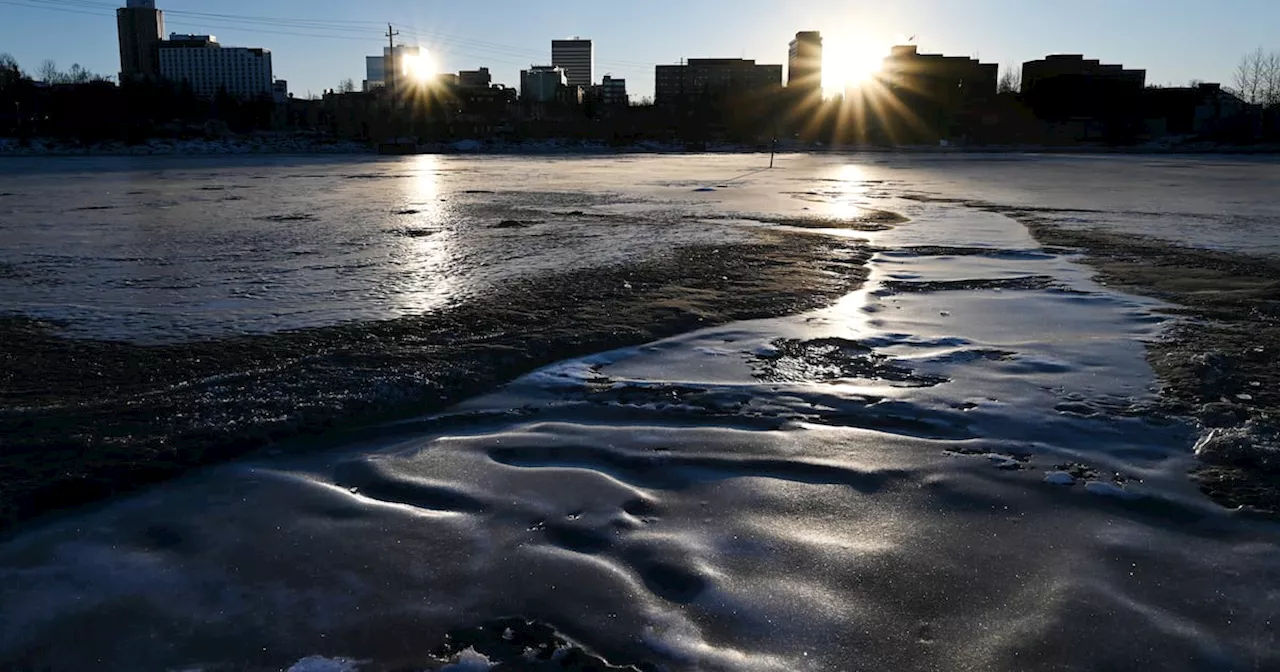
Anchorage’s location is emerging as a significant asset, offering a unique opportunity for economic growth and innovation. As the sun sets over downtown Anchorage on the Winter Solstice, December 21, 2025, many residents grapple with uncertainty about the future. Traditional ways of life are fading, prompting various responses among the community. While some adopt a defensive stance, others seek proactive solutions amid global disruptions.
A more constructive approach involves leveraging Anchorage’s distinctive geographic position. Situated at a latitude of 61.2 degrees north, Anchorage shares similarities with other subarctic cities like Oslo, Norway, and Helsinki, Finland. Unlike these cities, Anchorage stands out as the only major metropolitan area in North America within the subarctic region. This unique status necessitates adaptation to seasonal extremes, from the prolonged daylight of summer to the dark winters, fostering new lifestyles and a distinct northern identity.
The potential for economic revitalization is vast, yet a noticeable lack of entrepreneurial activity currently hampers progress. Many residents may unconsciously adhere to mid-latitude perspectives, limiting their vision of what a vibrant subarctic city can achieve. What could Anchorage look like if it embraced its winter identity fully?
Establishing an innovation zone in older urban areas, such as the Gambell-Ingra corridor in Fairview, could serve as a starting point. This area could attract entrepreneurs and creative minds, particularly due to the upcoming greenway along the Hyder Street alignment. This greenway will connect the Chester Creek and Ship Creek greenbelts, creating a unique bike and pedestrian loop around Anchorage’s urban core.
By fostering collaboration and the exchange of ideas, Anchorage can transform its economic landscape. The Ted Stevens Anchorage International Airport plays a crucial role in this development, serving as a central hub for freight that can drive new business opportunities. As startups emerge and adapt to the realities of their location, they can turn Anchorage’s challenges into competitive advantages. This shift towards embracing the seasonal duality can lead to the creation of innovative products and services that reflect a vibrant northern identity.
As Anchorage develops its social, cultural, and economic frameworks, the city can become a beacon of hope and opportunity. The community’s energy and optimism could pave the way for a prosperous future, attracting individuals who are eager to contribute to a thriving winter city.
In these chaotic times, Anchorage residents face choices: some will choose to hunker down, while others may react with frantic energy. Yet, a more thoughtful response could yield lasting benefits. By acknowledging and embracing their unique circumstances, residents can work together to build a more dynamic and economically robust Anchorage, positioning it as a leading example of how to thrive in a challenging environment.
















