







































Outdoor enthusiasts in Pennsylvania are encouraged to take advantage of winter conditions to enhance their chances of successful hunting during the upcoming firearms season. With snow covering the ground, hunters can gain valuable insights into the habits and behaviors of white-tailed deer in their local areas. Preparation for the fall season begins now, as understanding deer patterns can significantly improve outcomes when the time comes to hunt.
Learning from the Landscape
Snow provides a unique opportunity to observe deer activity, revealing their preferred travel routes between feeding and bedding areas. This understanding is particularly crucial in the late fall and winter months when deer shift their feeding habits. As food plots and agricultural fields become less accessible due to heavy grazing, deer turn to natural sources like acorns and other mast crops. By tracking deer movements in the snow, hunters can identify key locations where deer forage, marking these spots for later reference.
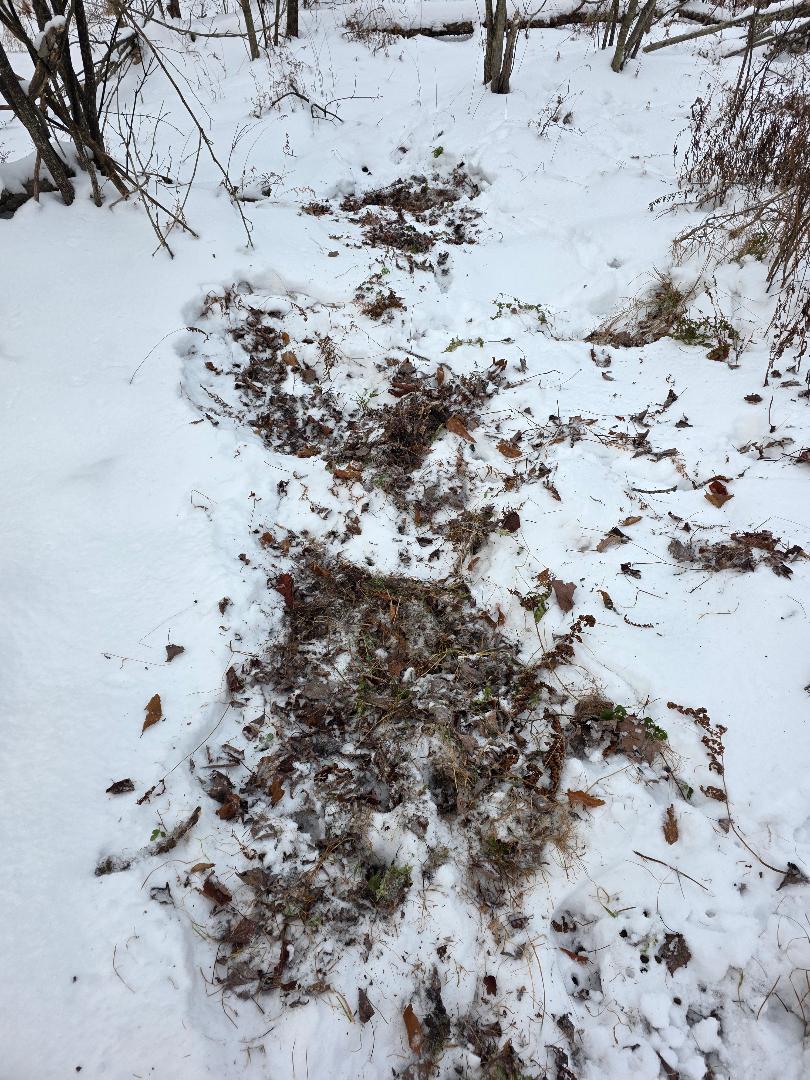
During a recent outing, I followed a set of deer tracks that led me to a sheltered bed beneath a large hemlock tree. The elevated position allowed the deer to monitor its surroundings while benefiting from the protection of the tree. Observing such beds can provide critical information as hunters plan for the next autumn, especially when paired with knowledge of nearby feeding areas.
Exploring larger tracts of land, such as state game lands, can also yield significant insights. Some hunters tend to stay close to vehicle parking areas during the season, often missing out on the benefits of deeper exploration. While discussing the deer population with fellow hunters, it became clear that many perceive a decline in deer sightings. Yet after venturing further into the woods, I discovered a density of tracks in certain areas that suggested the presence of deer in pockets throughout the landscape.
Maximizing Winter Scouting
Winter scouting is not just about identifying food sources; it also involves understanding the terrain and habitats that deer prefer. Regular walks in snow-covered woods can foster familiarity with these environments, enabling hunters to make informed decisions when the rifle season arrives. Time spent outdoors is invaluable, as it allows nature to serve as a guide, teaching hunters about the local ecosystem and its inhabitants.
While hunting remains unpredictable, the benefits of increased time in the field are clear. Understanding deer behavior and habitat preferences can lead to more successful outings in the fall. As the hunting season approaches, those who invest effort in winter scouting will likely find themselves at an advantage.
As Rick Hynick, a freelance outdoors writer, notes, the relationship between hunters and the environment is one of continuous learning. By embracing the lessons offered by nature, hunters can improve their skills and enhance their experiences in the field.
















