









































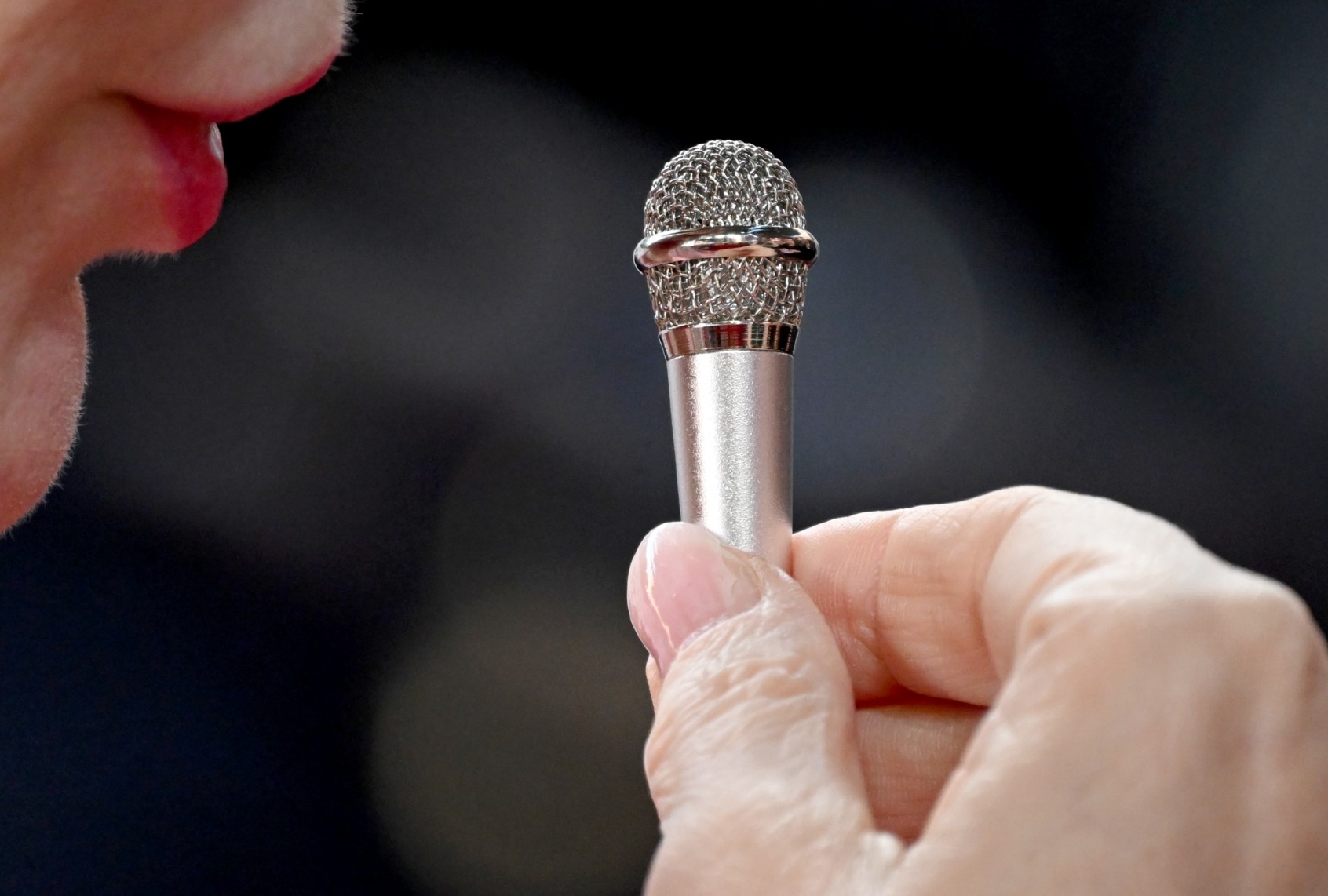
The emergence of tiny microphones at red carpet events is sparking debate among industry professionals and audiences alike. Once a tool for discreet audio recording, these miniature devices have taken center stage, often overshadowing the artistry and professionalism associated with film premieres. Critics argue that their prevalence diminishes the gravity of the occasion, reducing meaningful interactions to superficial questions.
The trend has gained traction in recent years, with the tiny microphone becoming a common sight at red carpet events and award shows. Actors often find themselves holding these devices while responding to questions that range from insightful to trivial. A typical scenario unfolds as a star, poised to discuss their latest project, is instead asked to comment on which of their co-stars they would prefer to be stranded with on a deserted island.
This shift in focus raises questions about the direction of celebrity interviews. Emily Blunt, renowned for her performances, recently critiqued the phenomenon, stating, “Tiny little mic, oh my god, these are so weird.” Her comment highlights a growing concern among artists regarding the trivialization of their work in favor of entertaining sound bites. The expectation to engage in light-hearted banter can overshadow the hard work and dedication that goes into their roles.
Red Carpet Dilemmas and Audience Discontent
The tiny microphone trend is not just a nuisance for actors; it also affects audience engagement. Fans attending red carpet events often find themselves disappointed by the lack of depth in conversations. Instead of exploring the nuances of a performer’s craft, interviews frequently devolve into a series of inconsequential questions. This practice mirrors a broader cultural shift where content is often prioritised over substance, particularly in the age of social media.
As the film industry embraces the digital landscape, the influence of platforms like Instagram cannot be understated. These channels reward quick, attention-grabbing content at the expense of more thoughtful discourse. While social media can provide a platform for artists to connect with fans, it also encourages a trend of superficial interactions, exemplified by the tiny microphone’s dominance.
The consumer culture surrounding film has also evolved, with merchandise and promotional events becoming increasingly elaborate. The recent craze for Marty Supreme jackets, which saw fans waiting in long lines to purchase movie-branded apparel, reflects this shift. These events, while successful at generating buzz, often lead to a fleeting status symbol that lacks lasting value. As fans clamor for the latest merchandise, they may inadvertently contribute to a culture that prioritizes commercialism over the artistic integrity of film.
Conclusion: A Call for Change in Film Culture
The film industry is at a crossroads, facing the challenge of balancing entertainment with meaningful discourse. As audiences demand more from their cinematic experiences, it is essential that the industry reassesses its approach to red carpet interactions. Moving away from the tiny microphone and the trivial questions it brings could pave the way for a revival of thoughtful conversations that honor the artistry of performers.
In a world where every detail can be scrutinized and shared online, the responsibility lies with both creators and consumers to foster an environment that values substance over spectacle. The tiny microphone may be a fleeting trend, but its implications for film culture are profound. As the industry continues to evolve, the hope remains that it will embrace a return to authenticity and depth in storytelling, preserving the integrity of the art form for future generations.










