









































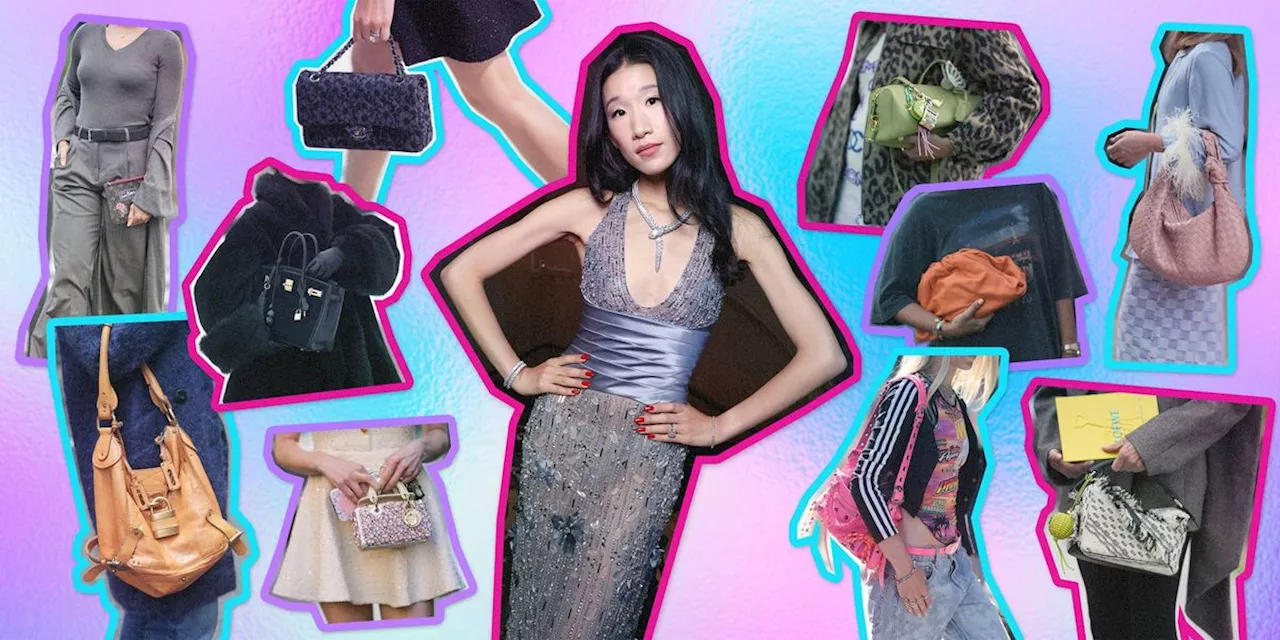
A wave of criticism has hit TikTok star Becca Bloom, often referred to as the queen of #RichTok, as her extravagant lifestyle has drawn sharp scrutiny amidst growing concerns over economic inequality. As her social media presence showcases lavish displays of wealth, including feeding her pet cat caviar and quail eggs on fine china, many viewers question the implications of such opulence during a time of financial strain for many.
Bloom’s content, which once thrived with minimal backlash, is now being scrutinized against the backdrop of increasing income disparity in the United States. As economic insecurity rises, her posts have sparked conversations about the ethics of flaunting wealth online. Critics argue that her lifestyle is disconnected from the realities faced by ordinary individuals, particularly as the nation grapples with the consequences of financial instability.
The term “conspicuous consumption,” coined by sociologist Thorstein Veblen, describes how the wealthy convert their riches into social power. This concept has resurfaced in discussions about Bloom’s content as her lavish displays serve both to distinguish her from the masses and to inspire envy among her followers. Critics highlight the potential harm in such content, suggesting it promotes aspiration without addressing the underlying issues of inequality.
While scrolling through TikTok, many users have reported a shift in the platform’s landscape. Instead of the expected content celebrating traditional gender roles or wellness trends, the app now features a wave of critiques aimed at Bloom and others in the luxury lifestyle space. This change reflects a growing awareness and pushback against the glorification of wealth, especially as more individuals recognize the psychological toll of comparison culture.
Despite the backlash, Bloom continues to captivate her audience. With millions of followers, her posts generate significant engagement, reinforcing her position within popular online culture. This dynamic raises questions about the relationship between influencer culture and consumerism, as well as the social implications of emulating a lifestyle that many cannot afford.
In recent years, TikTok fashion trends have further illustrated this phenomenon. Items like the Hermès Birkin bag and the Van Cleef & Arpel Alhambra collection have become symbols of status, with many creators striving to mimic the aesthetics of wealth. However, this pursuit often leads to heightened anxiety and increased consumption, suggesting that imitation may not deliver the promised benefits of social mobility.
Interestingly, there has been a noticeable shift in consumer behavior, as mid-tier brands like Coach and Brahmin gain popularity. This trend indicates a potential cooling of the desire to emulate ultra-wealthy influencers. For instance, content creator Autumn Frager recently garnered attention for her casual shopping trip to purchase a Brahmin bag, highlighting a more accessible approach to fashion.
Despite these shifts, the allure of luxury remains strong. Even as individuals acknowledge the myth of power through consumption, many find it challenging to resist the impulse to engage with high-status brands. As one creator reflects on her own wardrobe choices, she admits that the desire for new, stylish pieces often overshadows the emotional motivations behind those choices.
The conversation surrounding Bloom and her peers continues to evolve, reflecting broader societal concerns about wealth, status, and the impact of social media on our perceptions of success. As the debate around luxury consumption and its societal implications persists, the challenge remains: how can individuals reconcile their aspirations with the realities of economic disparity?











