









































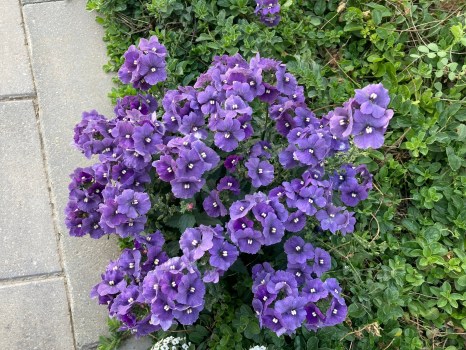
Gardeners in Southern California are turning to a variety of plants to enhance their landscapes this week, with a spotlight on the perennial favorite, Cape jewels. Known scientifically as Nemesia caerulea, these flowers thrive in conditions similar to their native South African climate, making them an ideal choice for local gardens. While they typically bloom year-round, extreme summer heat can inhibit their vibrant displays.
Cape jewels are celebrated for their intense fragrance and stunning purple blooms, although gardeners can also find options in blue, lavender, and pink. For those seeking larger flowers, annual varieties like Nemesia strumosa offer a broader color palette, though they lack the captivating scent of their perennial cousins.
Native Plants and Edibles for the Garden
In addition to ornamental plants, local gardeners are also recognizing the benefits of native flora. The California fan palm, or Washingtonia filifera, is often seen as the region’s sole native palm, but it is not alone. The Guadalupe palm, found on the western islands off Baja California, qualifies as a native species as well. This palm produces small, edible black fruits that are reminiscent of dates and can thrive from coastal areas to the desert, ultimately growing up to 30 feet tall.
Vegetable gardening continues to be popular, with lettuce being a versatile choice. Available in shades of green, along with red and burgundy varieties, lettuce can add both color and nutrition to gardens. By staggering plantings every three weeks, gardeners can ensure a steady supply for salads. Younger leaves are generally sweeter, and it is advisable to select varieties that can endure warmer temperatures without bolting.
Herbs and Weeding Strategies
Another interesting addition to the garden is yerba mate (Ilex paraguariensis), a South American tree that shares similar growing requirements with coffee plants. This herb has gained popularity as a refreshing beverage choice, particularly in Argentina. Although yerba mate can grow to 50 feet in the wild, it can be successfully cultivated in containers in Southern California. To ensure a bountiful harvest, allow the plant to reach three feet before beginning to collect its leaves.
As gardeners continue tending to their plots, it is crucial to manage weeds effectively. Removing weeds before they flower can prevent them from spreading seeds and encroaching on cultivated plants. The adage, “One year’s seeding makes seven years’ weeding,” highlights the importance of proactive garden maintenance. While some weeds can be beneficial for composting, persistent species like nutgrass and bermudagrass should not be added to compost piles, as they can proliferate throughout the garden.
These gardening initiatives not only beautify Southern California landscapes but also foster a connection to native plants and sustainable practices. As the gardening season progresses, local enthusiasts are encouraged to explore diverse plant options, enhancing both the aesthetic and ecological value of their outdoor spaces.
















