







































January often marks the end of the festive season, leaving many wondering what to do with their poinsettias. Rather than discarding these vibrant plants, there are several innovative ways to keep them alive and thriving long after the holiday decorations are stored away. Here are four expert suggestions to give your poinsettia a new purpose this month.
Transform Wilting Stems into Elegant Cut Flowers
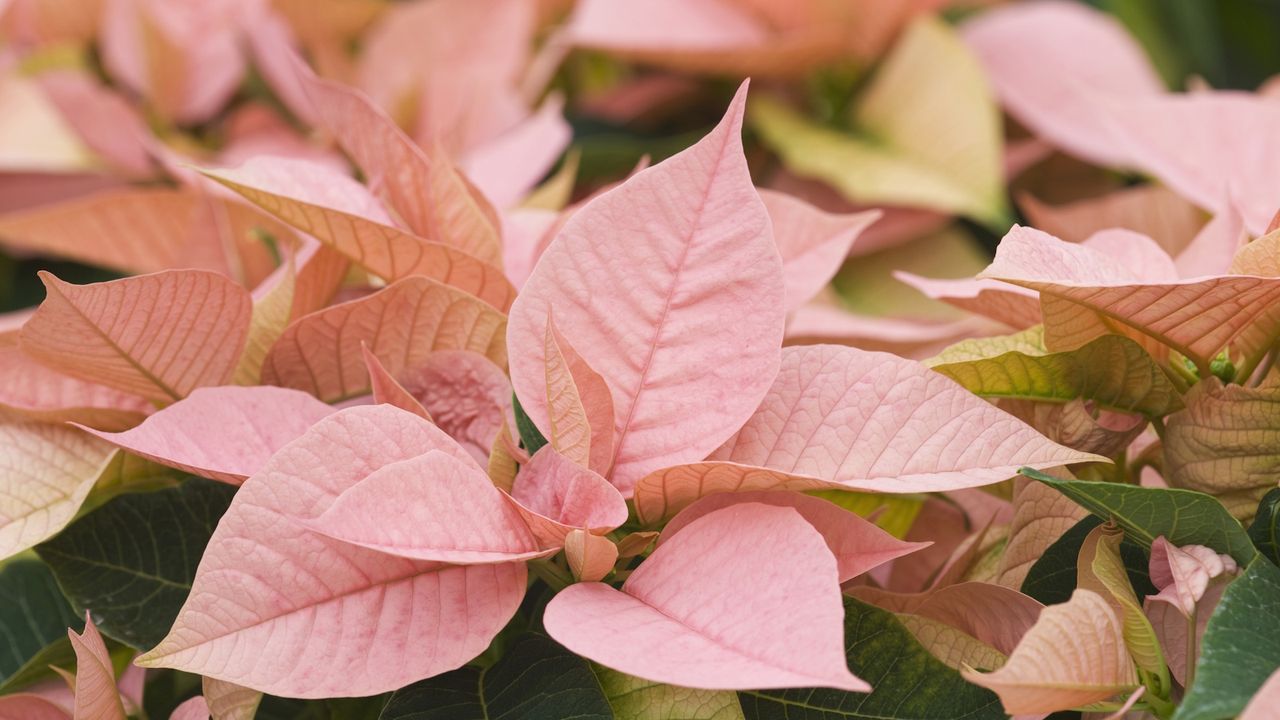
If your poinsettia, scientifically known as Euphorbia pulcherrima, has started to droop, consider repurposing its stems as cut flowers. Poinsettias can last up to two weeks in a vase, providing a burst of color. To prepare the stems, cut them just below a set of bracts and dip the ends in boiling water for 20 to 30 seconds. This process helps to clear the milky sap that may block water absorption. Afterward, quickly place the stems in cold water before arranging them in a vase. Such arrangements can easily brighten up your indoor space.
Transition Your Poinsettia Outdoors
Once the frost has passed, you can give your poinsettia a “summer holiday” in the garden. Experts recommend waiting until late May or June when nighttime temperatures consistently exceed 55°F. According to James Faust, a poinsettia expert at Clemson University, these plants thrive in a partially shaded area with well-draining soil. To prevent shock, gradually acclimatize your poinsettia to outdoor conditions, a process known as hardening off. Keeping the plant in a container allows for easy relocation indoors when temperatures drop again in the fall.
For a stylish outdoor option, consider lightweight, weather-resistant planters from retailers like Wayfair. Pruning your poinsettia to about 4-6 inches in April can stimulate bushy growth before transitioning it outside.
Create a Winter Transition Potpourri
If your poinsettia has shed some leaves or you are ready to refresh your decor, do not throw away the colorful bracts. Poinsettia leaves retain their vibrant colors even when dried, making them ideal for homemade potpourri. To create this, air-dry the leaves for about five to seven days until they are paper-thin. Blend them with dried orange slices, star anise, and eucalyptus leaves for a fresh scent that bridges the gap between winter and spring.
Avoid using heavy oils like frankincense; instead, opt for cedarwood or lemongrass essential oils to invigorate your home.
Preserve Your Poinsettia in Botanical Art
For those interested in a more permanent solution, consider using the vibrant bracts for resin art. This technique allows you to transform your holiday plant into unique home decor items, such as coasters or window hangings. Vladan Nikolic, founder of Mr. Houseplant, notes that this method preserves the plant’s color long after the season has ended.
To prepare the leaves for resin, remove them from the plant and flatten them between the pages of a heavy book for 7-10 days. A rolling pin can expedite this process by helping to express moisture. Once dry, you can use silicone resin molds to create stunning decorations or functional items.
Addressing Common Care Issues
If you notice your poinsettia dropping leaves, it may be due to sudden temperature changes or dehydration. Maintaining a stable indoor climate and regular watering can help prevent these issues.
Regardless of whether you choose to create a stunning floral arrangement or preserve your plant in resin art, there are numerous ways to ensure your poinsettia remains a vibrant part of your home throughout January. With proper care and creativity, this holiday staple can continue to bring joy well beyond the festive season.
















