







































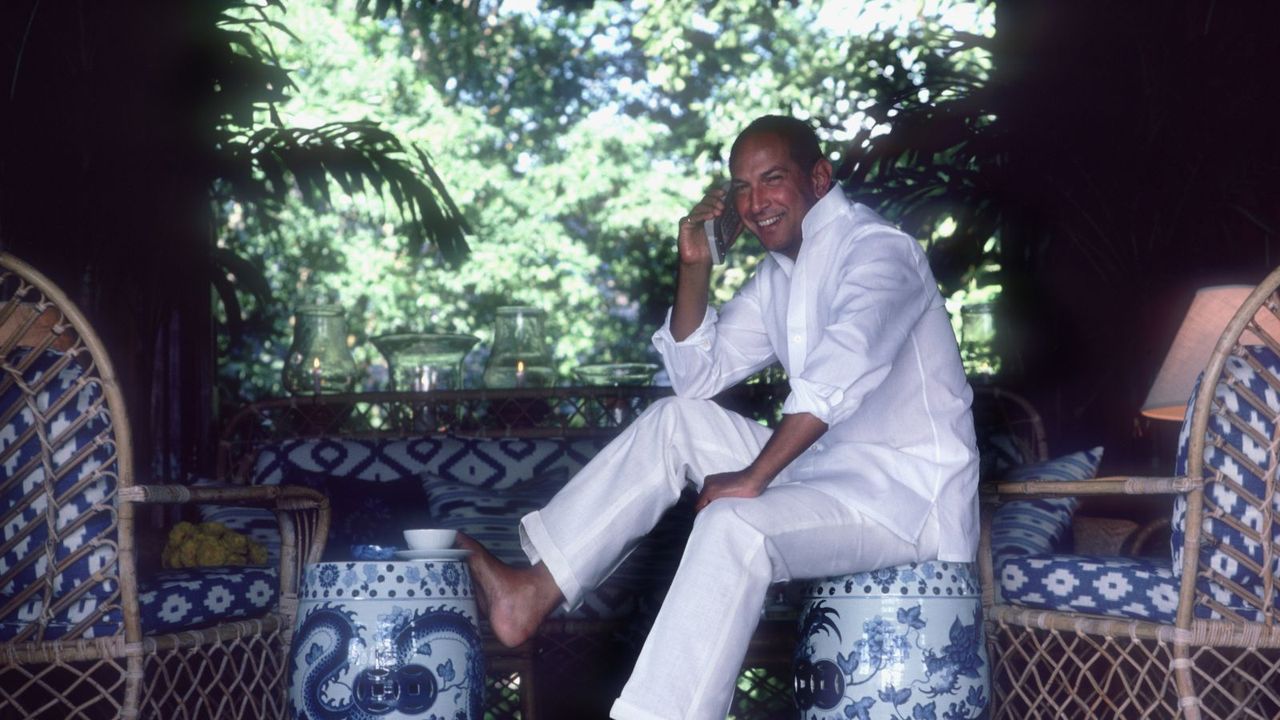
Oscar de la Renta’s iconic design aesthetic continues to resonate, as evidenced by the recent revival of maximalist decor inspired by his renowned dining room in New York. Originally photographed in 1949, this space showcases a striking combination of blue and white textiles, ceramics, and wallpaper, reminiscent of Portugal’s Blue City. The dining room features geometric patterns and a leopard print ceiling, demonstrating how bold design can create a sense of timeless elegance.
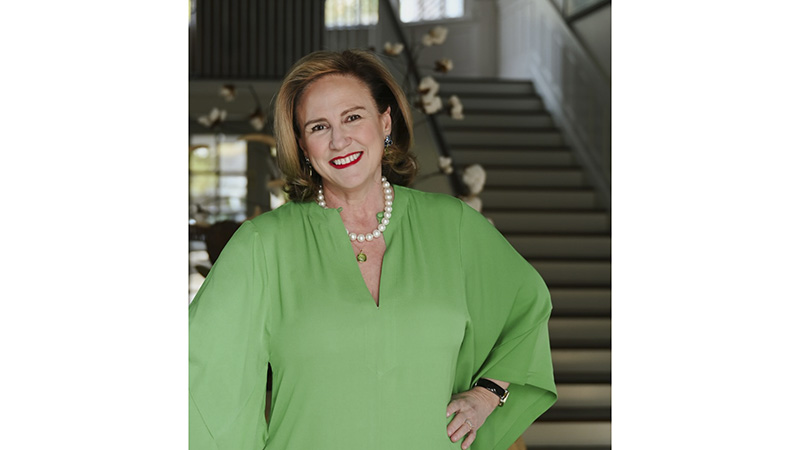
Interior designers today recognize the lasting impact of this space. According to Dominique Hage, principal at D. Hage Designs, Oscar’s eclectic style is making a comeback as people seek to express their individuality through their homes. “In 2026, we’re seeing the home as a real expression of self,” Hage explains, emphasizing that this trend moves away from homogenized designs towards a more authentic representation of personal culture and history.
The dining room exemplifies how strong patterns can be successfully combined through a mix of textiles and ceramics. Designers encourage homeowners to embrace bold choices rather than shy away from them. Hage notes that leaning into maximalist decor can yield stunning results. “Interior design doesn’t have to be all so ‘tasteful.’ We’ll be seeing lots of clashing color blocking,” she adds, suggesting that allowing for gaudy elements is part of the charm.
As maximalism gains traction, many individuals fear that their homes will appear “too much” if they adopt a similar style. Yet, experts argue that this boldness can lead to beauty. The key lies in ensuring that one’s decor reflects their personality. Oscar de la Renta’s home serves as a case study in how to successfully navigate this delicate balance.
For those wishing to replicate Oscar’s look, there are various options available. Historic motifs, such as Georgian plates, can enhance any home’s decor. A set of six stunning transferware plates not only elevates the dining experience but can also serve as eye-catching decorative pieces. Additionally, a chinoiserie ceramic table lamp can add a vibrant touch to sideboards, while a curvy bamboo wall mirror can help break up the pattern-drenched walls.
As the design landscape evolves, the principles demonstrated in Oscar de la Renta’s dining room remain relevant. The emphasis on personal expression rather than adhering strictly to trends suggests a shift towards authenticity in interior design. As we approach 2026, the focus will be less on achieving the “right” look and more on establishing a look that feels right for the individual.
In conclusion, Oscar de la Renta’s legacy in the world of design continues to inspire. His dining room proves that combining strong patterns and eclectic elements can yield a sophisticated yet personal space. As maximalism re-emerges, it encourages individuals to embrace their unique tastes and transform their homes into true reflections of themselves.
















