









































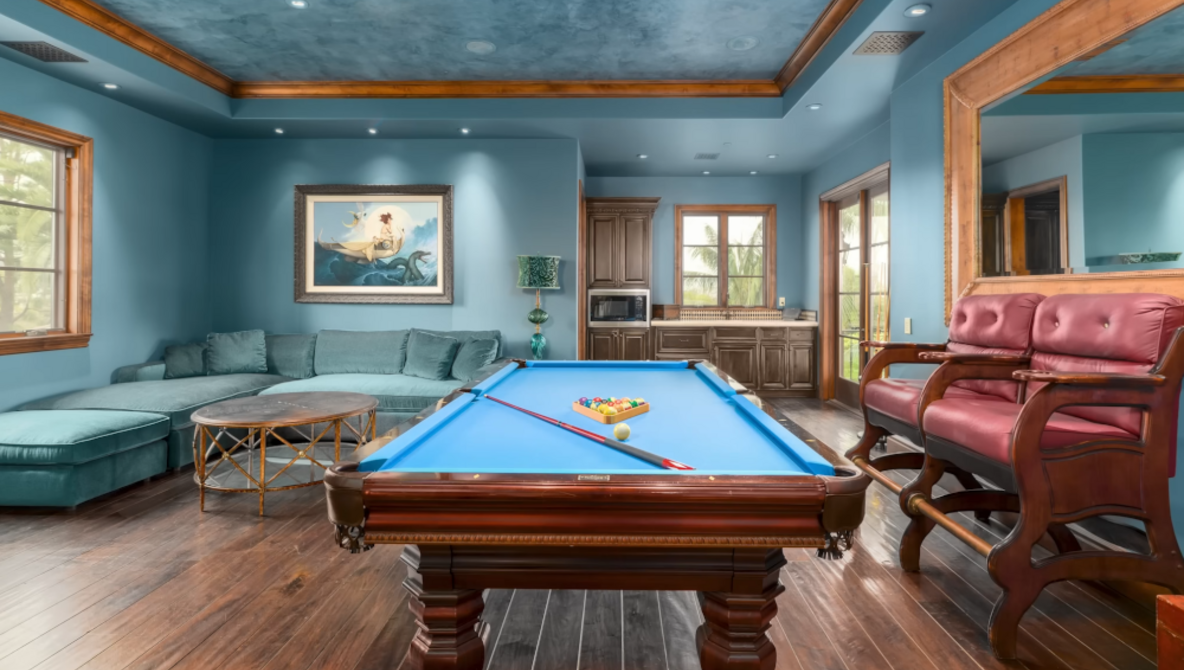
Real estate photography requires precise lighting to showcase properties effectively. A recent video by photographer Alex Cooke highlights the importance of using appropriate lighting modifiers, particularly in challenging environments. The right choice can significantly impact the quality of images captured, transforming the final product from mediocre to professional.
Understanding Lighting Modifiers
Cooke emphasizes that the type of ceiling in a room can dictate how well flash lighting works. Dark or high ceilings may not reflect light effectively, making modifiers essential. The video categorizes two primary types of modifiers: umbrellas, which direct light forward, and domes, designed to disperse light in multiple directions. These tools are pivotal in creating usable images, particularly in spaces that might otherwise expose poor lighting choices.
In practical demonstrations, Cooke illustrates the performance of these modifiers under consistent power settings. The umbrella offers broad coverage, allowing light to fill larger spaces effectively. This setup mirrors the typical approach real estate photographers take, positioning the light source near the camera and directing it into the scene. In contrast, when using a dome aimed upwards, the reach of the light diminishes quickly. This reduction can be problematic when illuminating areas that require extra lift, especially if additional lights are not an option.
Common Mistakes and Practical Solutions
Cooke identifies a frequent mistake among photographers: keeping a diffuser on the flash when a white ceiling already provides sufficient diffusion. This oversight can lead to wasted output, affecting consistency in the final images. For those managing mixed lighting conditions and tight schedules, minimizing unnecessary adjustments is crucial.
The video further explores the nuances of each modifier. When the dome is directed forward, the light beam tightens, which can create hotspots in the image. While this precision is advantageous for directional lighting, it complicates efforts to achieve an even fill, particularly before blending ambient and flash lighting—a technique known as “flambient” photography.
Cooke’s insights distinguish between what is “best” and what is “most useful” in real-world applications. He argues that umbrellas excel in larger spaces with high ceilings, as they distribute light effectively without demanding excessive power. Their forgiving nature allows photographers to operate quickly without the need for fine adjustments.
Another useful tip from the video involves collapsing the umbrella, making it easier to navigate through tight spaces while maintaining the desired light character. In contrast, domes are ideal for cramped areas such as powder rooms and showers, where traditional stands and umbrellas may be impractical.
To maximize light distribution even in confined spaces, Cooke suggests a dual-frame approach: capturing one image with the dome aimed upwards and another downwards. This method provides a more uniform fill, enhancing the overall quality of the images without requiring extensive equipment.
The full video offers a comprehensive look at these lighting techniques, showcasing Cooke’s expertise in real estate photography. For photographers eager to refine their skills, understanding and implementing the right modifiers is essential for producing stunning property visuals.











