









































José Hernández, a machinist from Bensalem, Pennsylvania, has taken on an unexpected role as a lifeline for undocumented families in the area amid escalating immigration enforcement by the U.S. government. On a frigid January morning, with temperatures hovering around 13 degrees Fahrenheit, Hernández waited outside a local church for calls from families needing food deliveries. What began as a small act of kindness has transformed into a critical service for many residents living without official permission in the country.
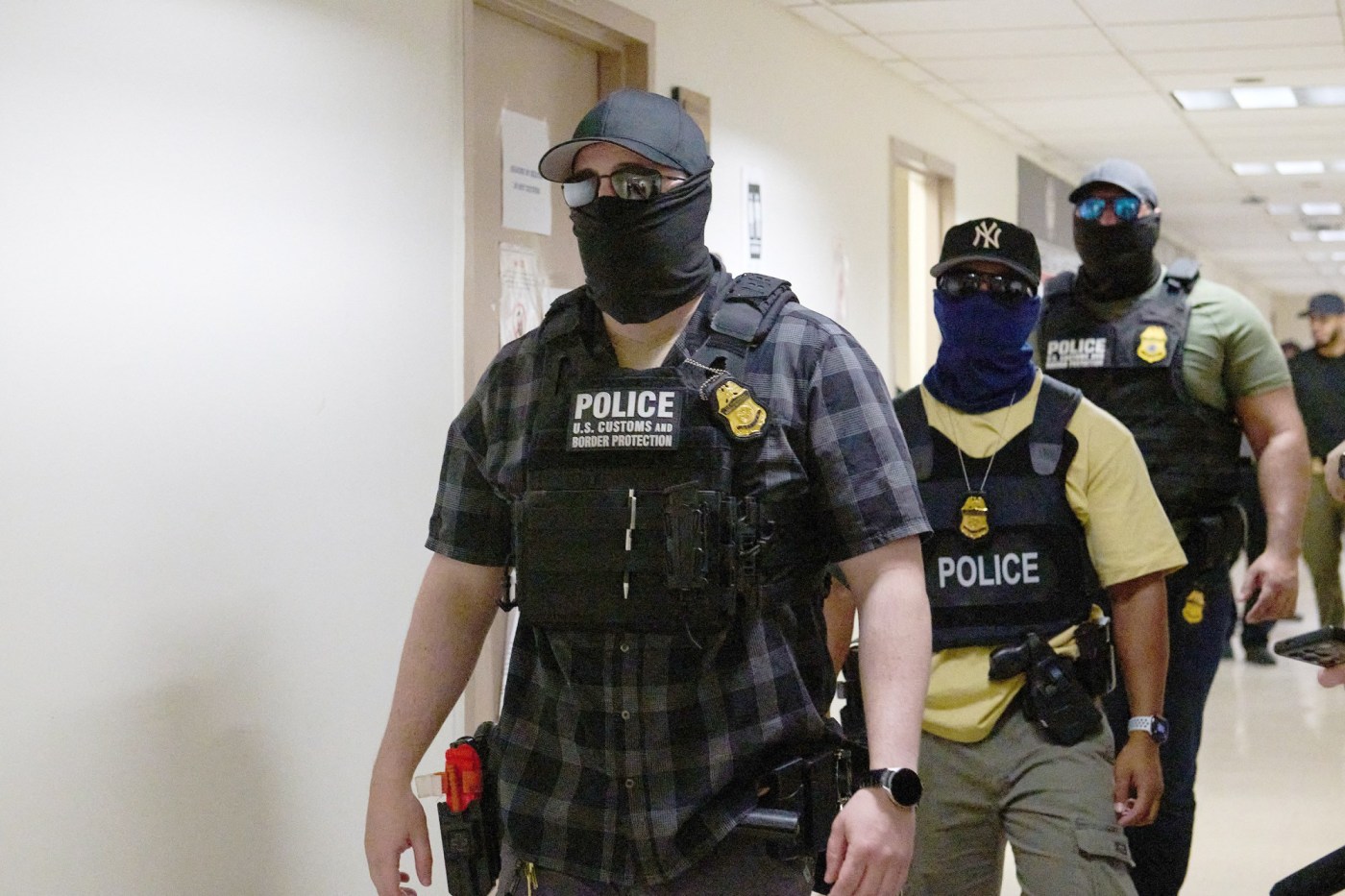
The heightened enforcement actions by ICE, particularly under the Trump administration, have instilled fear among the local Latino community. Approximately 14% of Bensalem’s 63,000 residents identify as Latino, and many have personal connections to individuals who have faced arrest and deportation. Hernández, now 61 years old, has become a crucial figure for these families, many of whom live in constant anxiety about potential ICE raids.
“People come out saying, ‘Please hurry up, los del Hielo can be here any second,’” Hernández shared, referring to the colloquial name used for ICE agents, which translates to “the iced ones.” This nickname reflects the community’s deep-seated fear and not just anger towards the enforcement agency. Other terms like “el Escalofrío,” or “the chills,” highlight the pervasive anxiety surrounding immigration enforcement.
In recent months, ICE has intensified its operations, with statistics showing a staggering 230% increase in detentions, from 93,342 in 2024 to 307,713 in 2025. This aggressive approach has led many undocumented individuals to alter their daily lives significantly, often choosing to remain indoors, avoid medical appointments, and even refrain from sending their children to school during periods of heightened ICE activity.
Hernández, a U.S. citizen, does not face the same risks as those he assists but feels a profound commitment to support his community. His efforts are rooted in a decade-long initiative he founded called Movimiento Guadalupano, which originally focused on organizing Catholic activities but has since evolved into a broader support network for Latinos facing challenges related to immigration enforcement.
“Don’t go out today,” a recent post on Movimiento’s website cautioned. “Volunteers will deliver your groceries from Hispanic stores to your home free of charge.” This service has provided much-needed relief for families like that of a 32-year-old Ecuadoran mother who hesitated to provide her name for fear of repercussions. Her son recently celebrated his 12th birthday, a moment marked not just by joy but also by the underlying worry of whether his father would return home safely.
For many families, the emotional toll of living in constant fear has been overwhelming. Ivan, a 44-year-old resident, explained that having groceries delivered by Hernández has alleviated the stress of choosing between risking their safety and providing for their children. He recounted a recent incident where two coworkers did not return from lunch and were later revealed to have been arrested by ICE, reinforcing the precariousness of their situation.
As Hernández navigates the aisles of local stores, he remains vigilant, not just for his safety but also for the safety of those he serves. He often updates Movimiento’s social media with alerts about ICE sightings, providing timely information to the community. “I am scared,” he admitted, “that we will get used to this enforcement, that it will be so normalized that people stop helping one another.”
During a recent grocery delivery, Hernández encountered a woman named Maira, who had not seen her husband since late November when he narrowly escaped an ICE raid. She described feeling like a fugitive in her own community, having once felt a sense of belonging in Bensalem. Maira and her sister, a U.S. citizen, now carefully plan their movements each day, ensuring they check for safe routes before heading to work.
As the day drew to a close, Hernández received another call for assistance. “Hi, is this Don José?” a young man inquired, seeking help with a food delivery. “Don’t worry, place your order,” Hernández replied. “I will be right there.” His unwavering commitment to delivering not just groceries but also a sense of hope continues to resonate deeply within the community, fostering a sense of unity in challenging times.
















