









































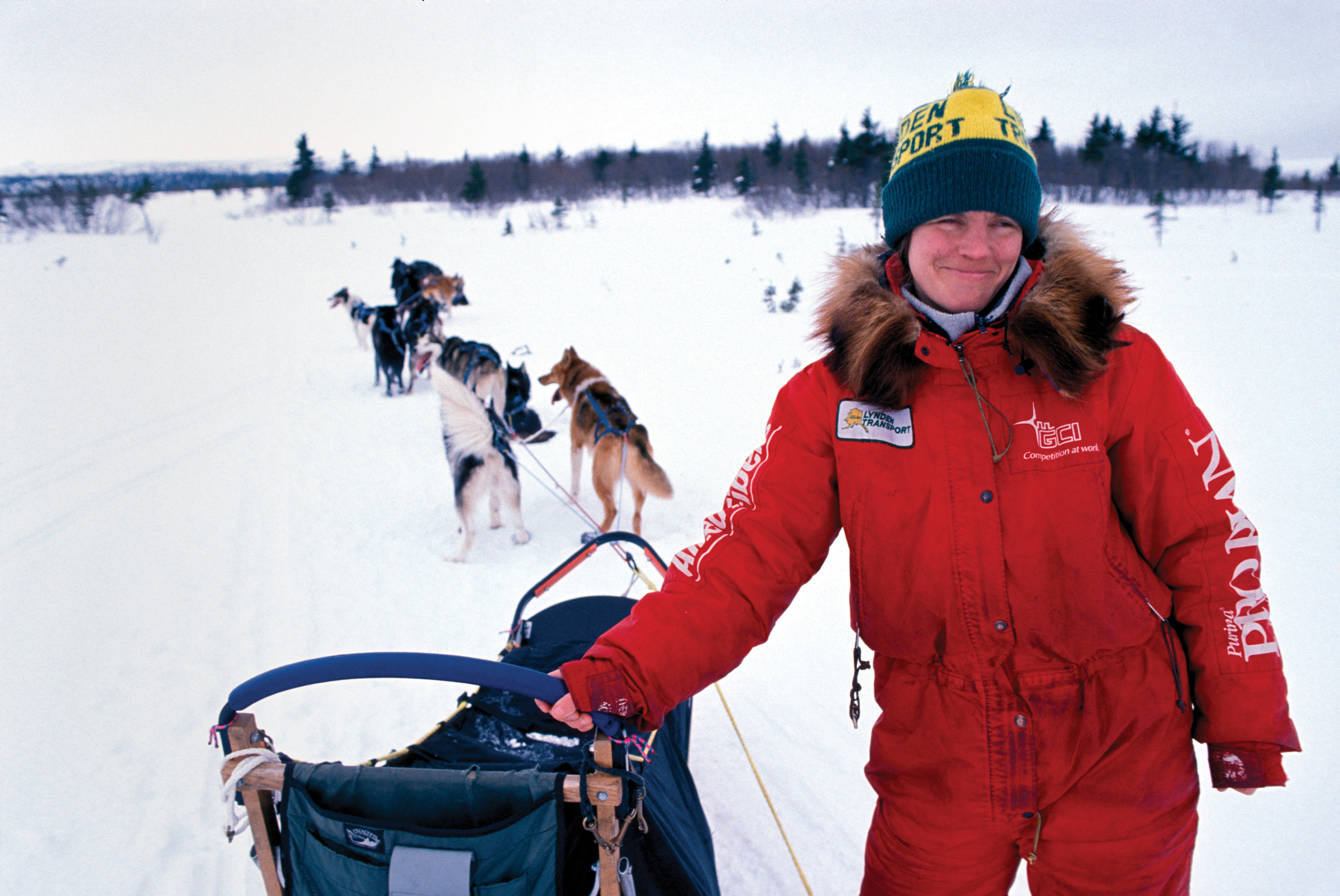
Susan Butcher, a legendary figure in the world of dog mushing, demonstrated that success in the Iditarod is not solely about speed, but rather about compassion and trust. Her legacy continues to inspire both mushers and fans of the race, emphasizing the importance of care in achieving competitive success.
In the late 1980s, Butcher captured the attention of onlookers at a checkpoint in Unalakleet, a pivotal stop on the Iditarod trail. At just ten years old, Laureli Ivanoff, now a writer, vividly recalls the atmosphere in the Brown’s Lodge, where the smell of cooking filled the air. Crowded around Butcher were eager fans and fellow mushers, all captivated by her presence. Despite her excitement, Ivanoff felt overwhelmed and shy, ultimately missing the chance to meet her idol.
Butcher’s journey in the Iditarod is marked by remarkable accomplishments. She became the first musher to win three consecutive races, achieving this milestone in 1990. She went on to secure a total of four Iditarod championships, establishing herself as one of the greatest figures in the sport. Her approach to mushing was revolutionary; she emphasized the emotional and physical well-being of her dogs, a philosophy not universally accepted at the time.
The attitudes towards Butcher during her career were mixed. Some male competitors criticized her methods, claiming she coddled her dogs. Yet, her success proved that nurturing relationships with her canine team was essential. Today, this practice is recognized as vital for the well-being of the dogs and the success of the race itself.
Butcher’s influence extended beyond the racecourse. She normalized competition between genders in a field traditionally dominated by men. Through her actions, she showcased that women could excel and even outperform their male counterparts. This was encapsulated in the phrase, “Alaska… WHERE MEN ARE MEN and Women win the Iditarod,” a testament to her impact on the perception of women in sports.
As Ivanoff reflects on her childhood experiences, she recognizes that Butcher’s legacy is much deeper than just her racing accolades. The values she embodied—care, trust, and resilience—serve as powerful lessons. In a society often focused on control and power, Butcher’s example illustrates that compassion and understanding can lead to greatness.
Today, the Iditarod continues to be a symbol of spring in Alaska, with Unalakleet serving as a key checkpoint. The community celebrates the arrival of mushers, with the first to reach the town awarded $3,000 in gold nuggets in a ceremony that attracts media attention and local residents alike. This tradition fosters a sense of camaraderie and excitement for both participants and spectators.
Ivanoff’s memories of Butcher represent a broader narrative of change in how dogs are treated in competitive sports. The shift in attitudes towards animal care and welfare is a significant part of Butcher’s legacy. Her approach not only transformed the Iditarod but also encouraged a new generation of mushers to adopt similar philosophies.
In reflecting on Butcher’s impact, Ivanoff acknowledges that even if critics labeled her negatively, her commitment to care and trust in her relationships with her dogs ultimately defined her success. As more people recognize the value of nurturing leadership, Butcher’s story serves as a reminder that compassion can lead to extraordinary achievements.
As the Iditarod continues to evolve, the community and its participants hold onto the lessons learned from Susan Butcher. Her legacy endures, inspiring both mushers and animal lovers alike to prioritize care, trust, and mutual respect in pursuit of their goals.
















