









































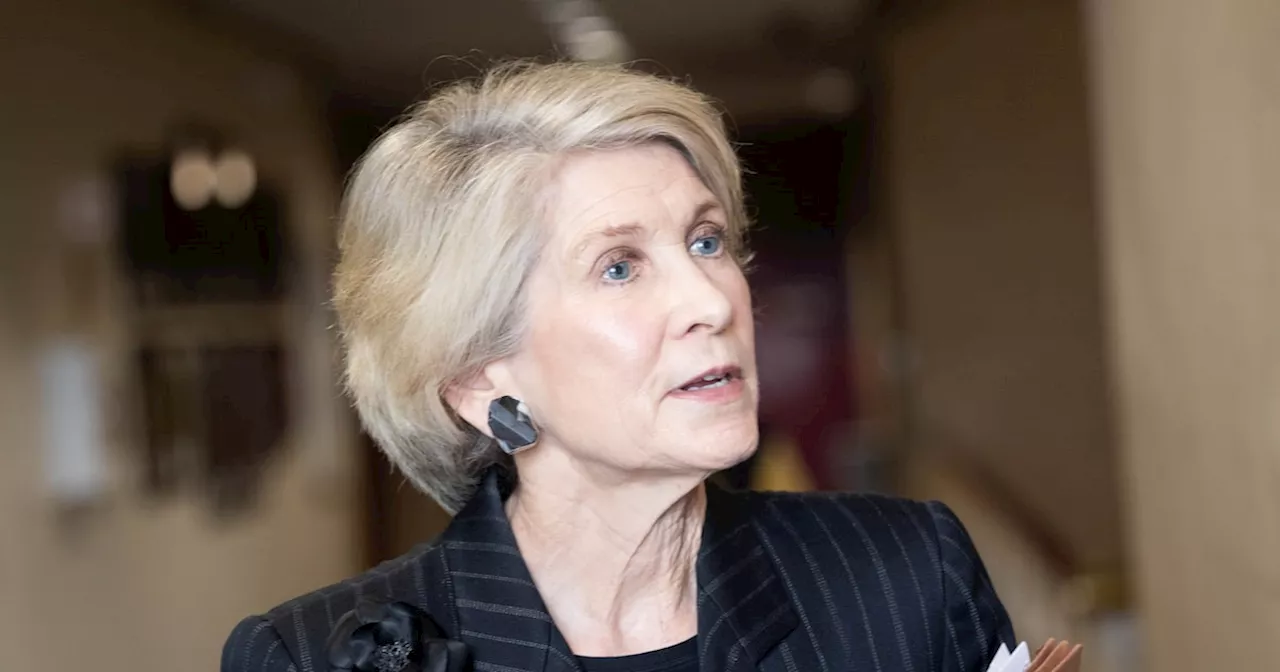
Former Dallas Mayor Laura Miller has called for a greater involvement of the private sector in addressing the city’s homelessness crisis. Speaking during a meeting of the Dallas Housing and Homelessness Solutions Committee on February 10, 2026, Miller emphasized that the city could harness resources from various local organizations and businesses to support those experiencing homelessness.
Miller highlighted the importance of programs like the Ladder Project, developed by members of her synagogue, Congregation Shearith Israel. This initiative offers mentorship, financial support, and health services to individuals facing homelessness. She noted that many instances of homelessness go unnoticed, often occurring in motels or cars. By engaging private entities, the city could improve its capacity to address the multifaceted challenges faced by those in need.
“Help can come from anywhere,” Miller stated, stressing the potential contributions from faith-based organizations, community groups, and businesses in Dallas. She pointed out that while non-governmental organizations and taxpayer funds have historically been relied upon, the private sector has been largely absent from these efforts.
At the committee meeting, Miller shared insights from the Ladder Project, which she and her congregation established in 2018. The project began with a simple premise: if members could commit to supporting at least one individual, significant progress could be made in tackling homelessness in the area. “If 1,000 congregant members can’t take one person off the streets of Dallas and stay with them until they’re self-sufficient, then we can’t solve homelessness in America,” she remarked.
The Ladder Project has already made a notable impact, assisting over 50 individuals in regaining stability, with approximately 80% of participants remaining self-sufficient after receiving support. Volunteers conduct thorough assessments of each individual referred to the program, evaluating their willingness to work and any substance abuse issues. The first step in their approach is to secure employment for participants, an effort bolstered by partnerships with institutions like UT Southwestern Medical Center and Presbyterian Hospital.
Following employment, the program assists individuals in finding suitable housing, covering upfront costs and facilitating access to donated furniture and medical services. This comprehensive approach aims to stabilize lives and reduce the number of individuals living on the streets.
Miller believes that expanding the support network to include private sector participation could significantly enhance the city’s efforts. She pointed to the 2020 census data, which indicated the presence of around 3,000 faith-based organizations in the region. If each of these groups were to commit to assisting just one person, the impact could be transformative.
The former mayor’s vision aligns with the broader goal of the city’s homelessness response, which includes collaboration with the region’s lead agency, Housing Forward. This agency is tasked with managing rental assistance and housing support to alleviate pressure on shelters. Last year, this initiative successfully housed 250 unsheltered residents in downtown Dallas.
Miller’s call to action underscores the need for a multifaceted approach to homelessness, one that includes leveraging resources from every corner of the community. As discussions continue on how best to tackle this pressing issue, her insights may pave the way for innovative partnerships that could lead to lasting change in Dallas.
















