









































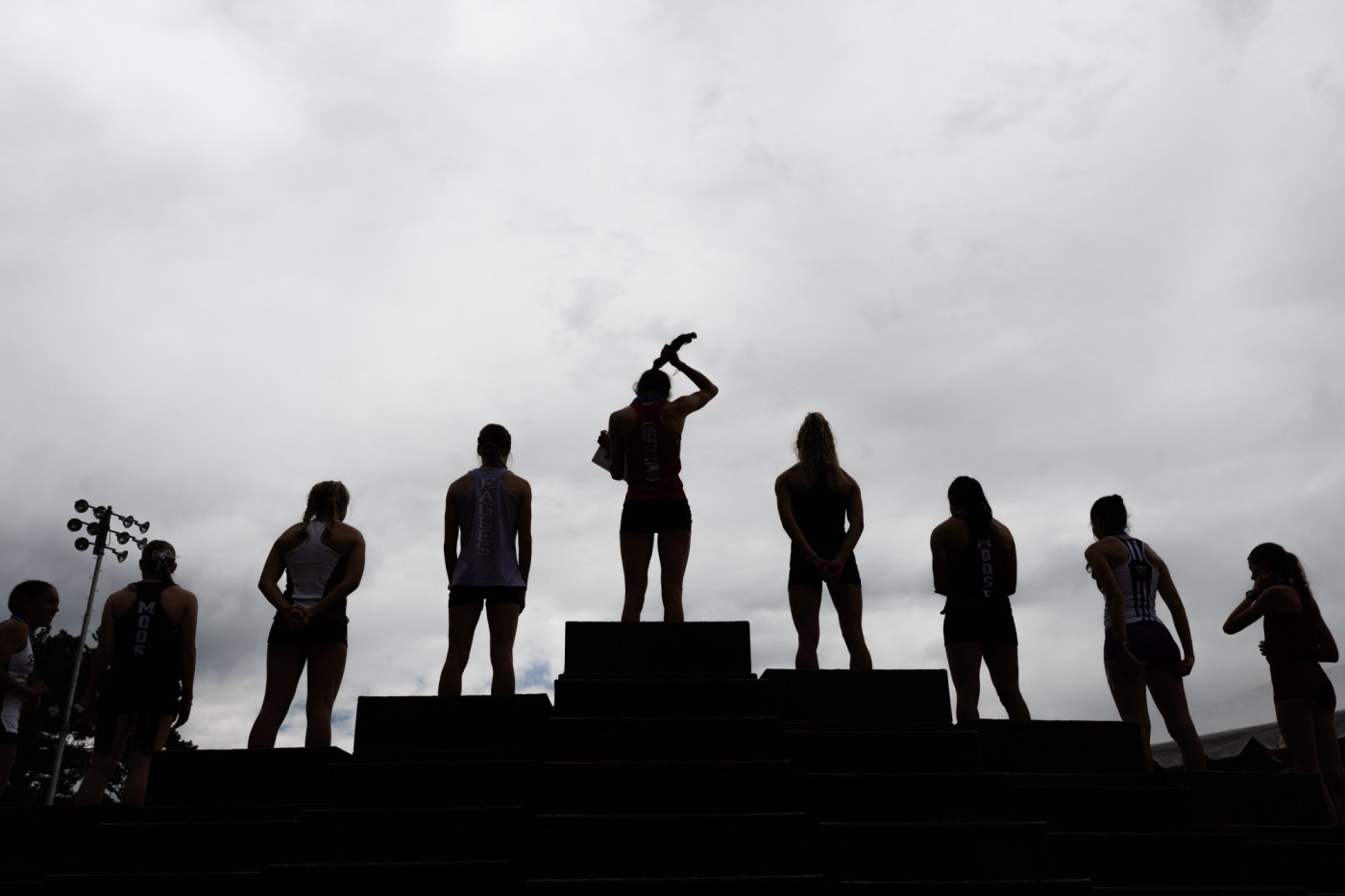
A federal judge has recommended dismissing a lawsuit filed by several school districts in Colorado that challenged the state’s antidiscrimination law concerning transgender athletes. This recommendation came on January 13, 2024, from U.S. Magistrate Judge Maritza Dominguez Braswell, marking a preliminary victory for state officials and a setback for the eight plaintiffs, which include four school districts, three charter schools, and one public education cooperative.
The lawsuit was initiated by the conservative-leaning District 49, located near Colorado Springs, after its school board enacted a policy prohibiting transgender girls from participating in girls’ sports teams and transgender boys from competing on boys’ teams. The case is now set to be reviewed by a federal district court judge, who will make a final determination.
Implications of the Recommendation
This recommendation coincided with the U.S. Supreme Court hearing arguments in separate cases involving two transgender athletes challenging state laws that restrict their participation in girls’ and women’s teams. Reports indicate that the Supreme Court’s conservative majority appeared receptive to upholding such state laws, although the breadth of any resulting ruling remains uncertain.
In the Colorado case, the Colorado High School Activities Association (CHSAA), one of the defendants, had previously settled with the districts and charter schools in early December, agreeing not to impose sanctions on schools or teams regarding their transgender athlete policies. Under this settlement, the plaintiffs were required to pay the activities association $60,000.
Judge Dominguez Braswell’s recommendation asserts that, even if validated by a district court, it may not significantly impact high school sports in Colorado. The judge emphasized that the ruling does not directly address the validity of policies that exclude transgender students from participating on teams corresponding to their gender identity. Rather, it centers on the assertion that the plaintiff districts lack the standing to sue the state on their own behalf or on behalf of their students.
Legal Standings and Future Actions
Attorney Michael Francisco from the law firm First & Fourteenth, representing the plaintiffs, expressed disagreement with the judge’s recommendation, stating that it will not deter them from pursuing the case. He emphasized their commitment to ensuring that every district in Colorado can protect girls’ sports, uphold student privacy, and adhere to the spirit of Title IX.
The districts involved in the lawsuit have highlighted the challenges posed by the state’s antidiscrimination law, claiming it places them in an “untenable position.” They argue that they face potential state penalties for enforcing policies that restrict participation based on gender identity. In her recommendation, Judge Dominguez Braswell noted that established legal principles prevent the districts from filing claims against the state based on the 14th Amendment of the U.S. Constitution.
Furthermore, she pointed out that the interests of the plaintiffs do not align with those of all students, particularly highlighting that their policies may contradict the interests of transgender students and those advocating for inclusivity in school-sponsored activities.
In addition to District 49, the plaintiffs include Colorado Springs 11, Academy 20, Montezuma-Cortez, James Irwin Charter Schools, Monument Academy, The Classical Academy, and Education reEnvisioned Board of Cooperative Education Services.
The legal landscape surrounding transgender athletes continues to evolve, with various districts adopting policies that either support or restrict participation based on gender identity. Some districts currently allow transgender students to join teams aligned with their gender identity, while others evaluate participation on a case-by-case basis. As this case moves forward, it will likely influence the ongoing discourse on transgender rights in school sports across the nation.
















