









































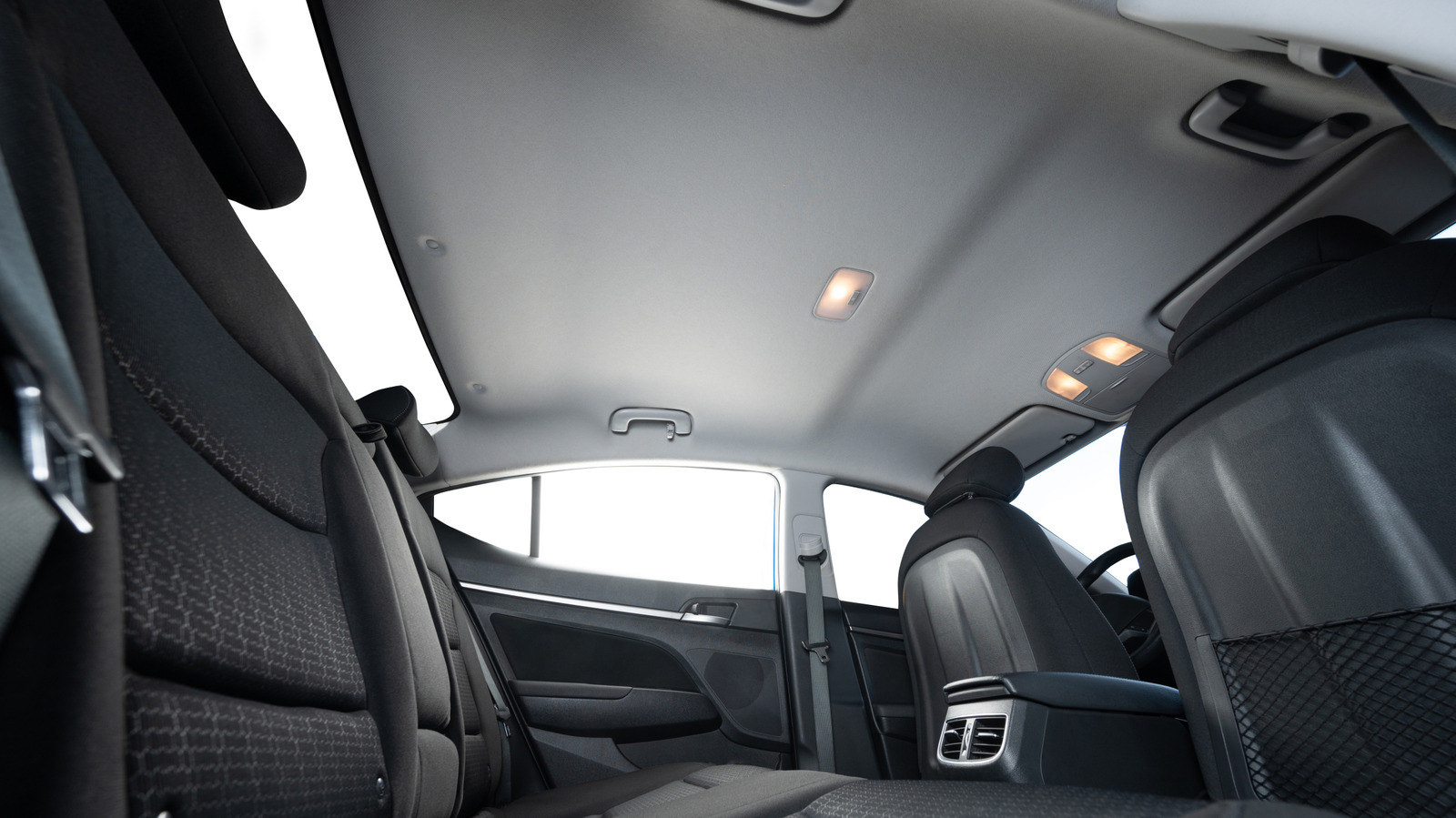
Modern car design has evolved significantly, with a focus on minimalism, ambient lighting, and sustainable materials. As vehicles incorporate larger screens and enhanced comfort features, many owners seek to customize their interiors to reflect personal tastes. While upgrades such as new seats or steering wheels are common, re-trimming the headliner is often overlooked, despite its substantial impact on the cabin atmosphere.
According to AutoZone, foam-backed fabric is the top recommended choice for car headliners due to its affordability, ease of installation, and factory-like appearance. Other materials such as vinyl, polyester, and suede present their unique advantages and drawbacks. Ultimately, the best option depends on individual budgets, preferences, and specific needs.
Evaluating Headliner Materials
The most prevalent option, fabric-backed foam, consists of a laminated fabric layer affixed to the car’s roof. This lightweight material can easily be stretched to prevent wrinkles and is commonly used in factory-installed headliners. While it resists sagging initially, excessive heat can weaken the adhesive, leading to drooping over time.
For those living in humid climates or using their vehicles frequently, vinyl headliners are often preferable. Vinyl is exceptionally durable, easy to clean, and less susceptible to damage from weather conditions. This makes it a popular choice for convertibles and other vehicles that may be exposed to the elements. However, it does come with trade-offs, including reduced softness, less sound-dampening, and more complex repair processes compared to fabric or suede.
Suede and microsuede offer a luxurious texture, making them favored options for high-end applications. Genuine suede is typically the most expensive choice, while microsuede provides a more affordable alternative. Both materials, however, can be challenging to install due to their rigidity and require careful cleaning to maintain their appearance.
Polyester stands out as a durable and stain-resistant option. Being entirely synthetic, it offers a wider variety of colors and textures than other materials. Nevertheless, polyester headliners tend to lack the soft, premium feel associated with fabric or suede, which may be a consideration for some buyers.
Maintaining Your Headliner
To ensure longevity, regular maintenance of your headliner is essential. Begin by vacuuming to eliminate loose dirt, followed by a dry clean using a microfiber towel. When selecting cleaning solutions, it is crucial to choose those specifically designed for the material in question. After applying the cleaner, brush it into the headliner and allow it to dry before addressing more stubborn stains.
Periodic cleaning can prevent the buildup of unsightly stains and extend the life of the headliner. While using a steamer can be effective, it is advisable to have experience to avoid causing damage. Regardless of the material, protecting the headliner from direct sunlight is vital. Any leaks from windows, sunroofs, or windshields should be addressed promptly to prevent moisture accumulation and mold growth.
It is wise to tackle minor issues, such as partial sagging, before they escalate. Vacuuming the headliner monthly, minimizing contact with it, using dehumidifiers for moisture control, and testing new cleaning products in inconspicuous areas are all beneficial practices. Additionally, seasonal deep cleaning is recommended, particularly for lighter-colored headliners showing signs of wear.
By understanding the pros and cons of various headliner materials, car owners can make informed decisions that enhance both the aesthetic appeal and comfort of their vehicles.










