



































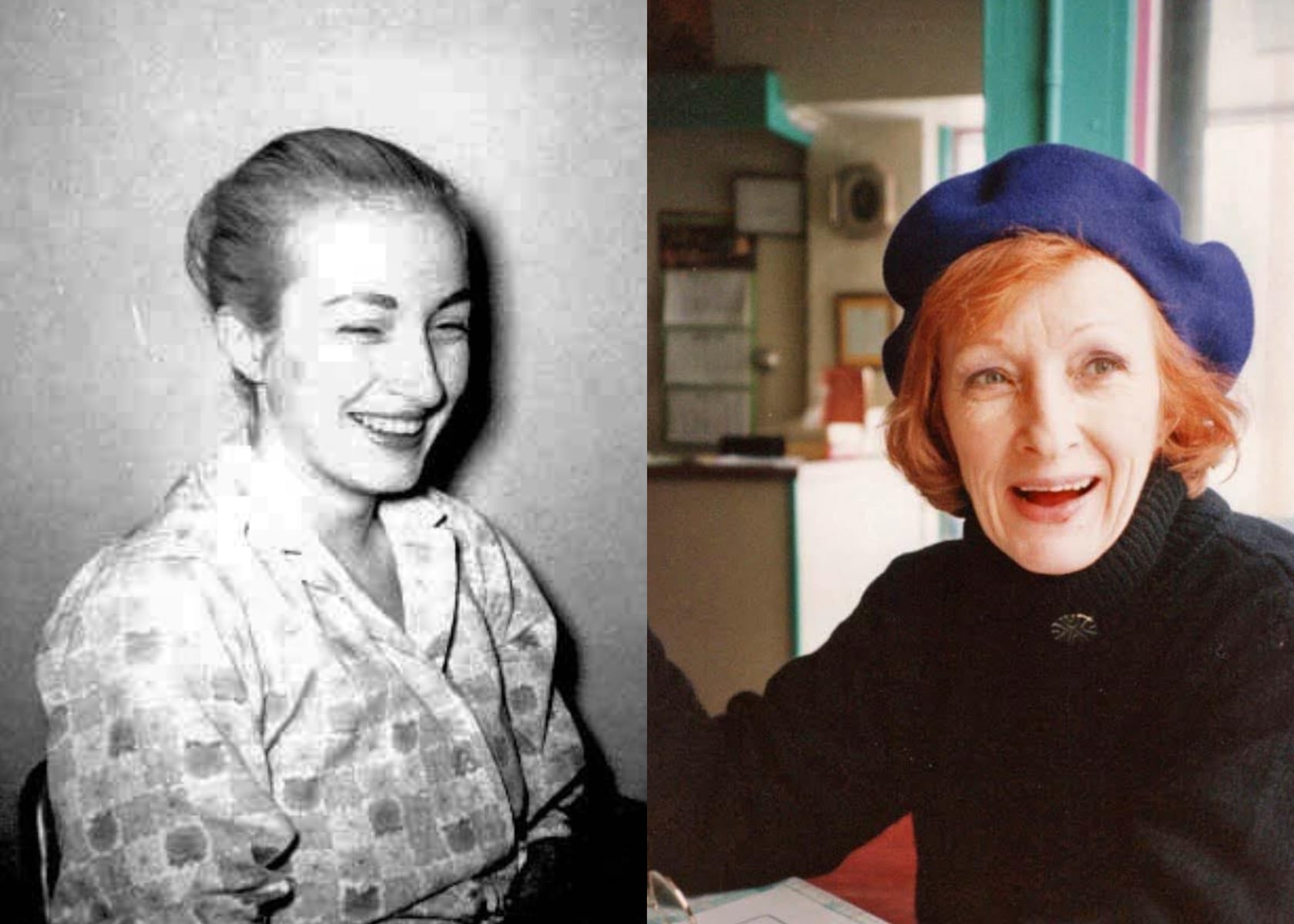
Cleota Rae Reed, a distinguished ceramist and art historian from Syracuse, has passed away at the age of 90. She died on November 25 due to complications from pneumonia. Reed was renowned for her expertise in the Arts and Crafts movement and had a profound impact on the artistic community in central New York.
Born in 1935 in Chicago, Reed’s early life was marked by her family’s move to a chicken farm in Pittsburgh, before they settled in Elkhart, Indiana. Her father, Charles Reed, worked as a salesman, and Reed was the eldest of four siblings. During high school, she excelled academically, nurturing a passion for journalism and singing.
Reed initially pursued a degree in studio arts at Indiana University but left after one year to marry. Over the next 16 years, she continued her education through various institutions, including St. Mary’s College at Notre Dame and the San Antonio Art Institute. Her journey into ceramics began as she taught students in her garage, creating an array of pottery, including pots and casserole dishes.
In 1970, Reed and her four children moved to Syracuse, marking a pivotal moment in her life. She earned a Bachelor of Fine Arts from Syracuse University in 1975 and followed it up with a Master’s degree in art history in 1976. It was during her graduate studies that she met her thesis advisor, David Tatham, a professor of American art history, and they married later in life.
Reed’s home, designed by architect Ward Wellington Ward, became a focal point of her scholarly work. She dedicated herself to documenting his contributions to architecture, identifying around 200 of his works throughout Syracuse and the surrounding region. She played a crucial role in getting these creations listed on the National Register of Historic Places.
Her scholarly pursuits led her to become a recognized expert in the Arts and Crafts movement, a significant decorative and fine arts trend active between 1880 and 1920. According to her colleague, Samuel Gruber, Reed was instrumental in reviving interest in this creative period, not just locally but on an international scale.
Throughout her career, Reed published extensively on American decorative arts, ceramics, and architecture, authoring ten books that included monographs on craftsmen such as Henry Chapman Mercer and Henry Keck. Gruber noted that Reed helped bring recognition to many artists who had been largely forgotten.
In addition to her writing, Reed was active in curating exhibitions and lecturing globally. She co-founded the Arts and Crafts Society of Central New York in 1994 and worked as an archivist and curator at the Syracuse China Company, where she organized and catalogued their historical collections.
Gruber praised Reed as a generous teacher and scholar, emphasizing her desire to share knowledge with others. She encouraged young people to explore the architecture of their own homes and fostered a vibrant arts culture in Syracuse. Reed and her husband were recognized as a “dynamic duo” in promoting the arts in central New York.
Reed’s scholarship took her beyond the region, spending every spring semester in London to immerse herself in Arts and Crafts studies. Gruber remarked on the lasting impact of her work, stating, “Syracuse was a cradle of this very creative movement in this country. Cleota helped us see that.”
Reed is survived by her four children, Ragen Tiliakos, Reed Martin, Heila Martin-Person, and John Martin, along with seven grandchildren and seven great-grandchildren. Her legacy as an artist, scholar, and devoted mother will be remembered by many.