





























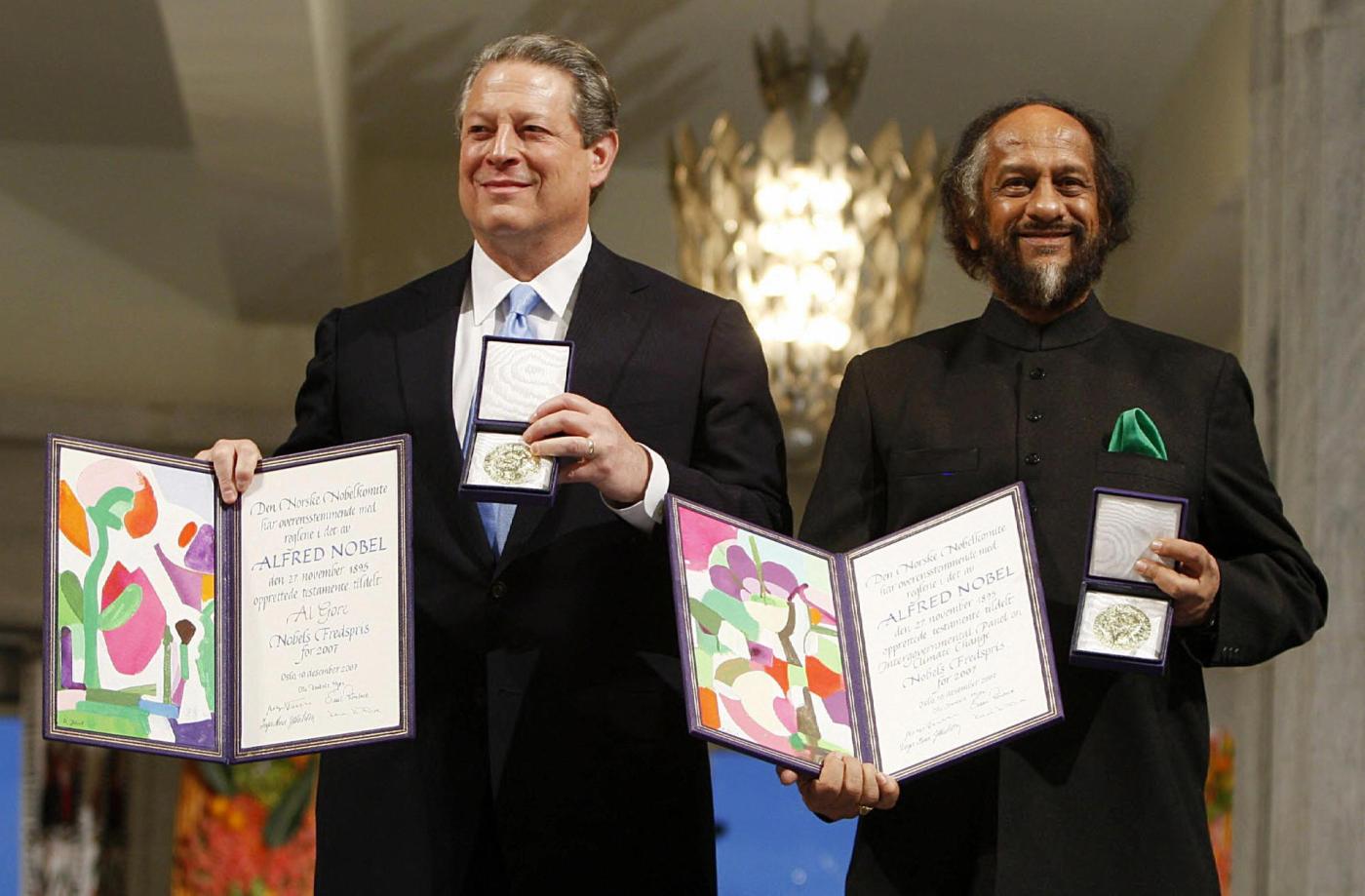
On December 10, 2007, former Vice President Al Gore accepted the Nobel Peace Prize in Oslo, Norway. During his acceptance speech, Gore emphasized the urgent need to confront climate change, which he described as a dire threat to the planet. His powerful message called for a collective commitment to halt environmental degradation and highlighted the importance of international cooperation.
In a year marked by significant climate discussions, Gore’s acceptance of the prize underscored the growing recognition of climate change as a pressing global issue. He pointed to the scientific consensus around human-caused climate change and urged leaders to take decisive action. “We must act boldly and collectively to address this crisis,” he stated, referencing the Kyoto Protocol as a crucial step in reducing greenhouse gas emissions.
The December 10 date is historically significant for several reasons. On this day in 1861, the Confederacy recognized Kentucky as a pro-Southern shadow state, reflecting the deep divisions in the United States during the Civil War. This event marked a pivotal moment in American history, showcasing the tensions between opposing factions.
Moreover, December 10 has witnessed other notable events. In 1898, a treaty was signed in Paris, effectively ending the Spanish-American War. This agreement marked a shift in global power dynamics, as the United States emerged as a significant player on the world stage.
In addition, the year 1964 saw civil rights leader Martin Luther King Jr. receive his own Nobel Peace Prize in Oslo. King accepted the award with a profound faith in the future of humanity, emphasizing the importance of justice and equality.
Significant tragedies also occurred on this date. In 1967, the iconic singer Otis Redding lost his life in a plane crash, a loss felt deeply in the music community. Redding was just 26 years old, and his legacy continues to influence artists today.
Fast forward to 2021, when severe weather swept through the U.S. Midwest and South on December 10, resulting in over 90 fatalities across five states. The National Weather Service reported more than 40 tornadoes during this two-day outbreak, marking one of the deadliest weather events of the year.
In a more positive development, December 10, 2022, saw Morocco make history by becoming the first African nation to reach the World Cup semifinals, defeating Portugal 1-0. This achievement was celebrated not only in Morocco but across the African continent, showcasing the potential for success in international sports.
As we reflect on December 10, it is also a day to celebrate the birthdays of notable figures. Among them are actor Fionnula Flanagan, who turns 84, and TV chef Bobby Flay, who celebrates his 61st birthday. Both have made significant contributions to their respective fields, embodying the spirit of creativity and passion.
The legacy of December 10 continues to evolve, connecting moments of triumph and tragedy, all while reminding us of the ongoing challenges we face. As observed by Gore in 2007, addressing climate change requires immediate and unified action. The call to action remains as relevant today as it was then, urging individuals and governments alike to prioritize the health of our planet for future generations.