









































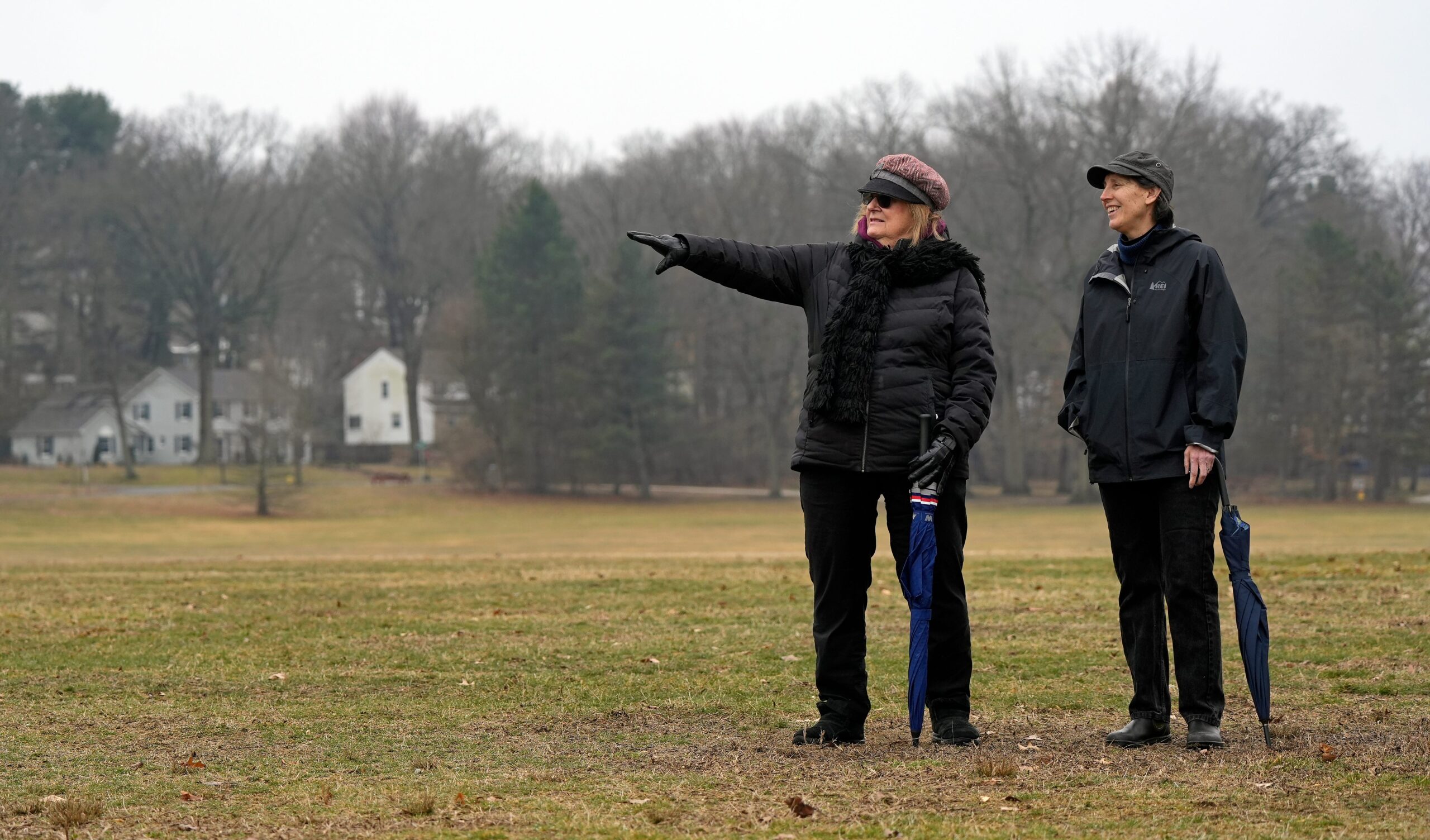
The city of Akron, Ohio, has taken significant steps to honor the forgotten souls buried at Schneider Park, previously the site of the Summit County Infirmary. On March 2, 2023, the Akron City Council unanimously approved a resolution to rename the park Schneider Memorial Park, recognizing those interred there. The initiative was spearheaded by Ward 4 Councilwoman Jan Davis and supported by Akron Mayor Shammas Malik’s administration.
Jane Greenland, a local resident and advocate for the deceased, has spent nine years seeking formal recognition for the individuals buried at the site. “They’re people and they have a soul,” said Greenland, who lives directly across from the park. Her emotional commitment to this cause stems from the belief that those interred deserve acknowledgment for their difficult lives.
The grounds of Schneider Park served as a burial site for the Summit County Infirmary from the mid-1860s until 1919, and prior to that, it functioned as a “poor farm.” According to a report from the Ohio Board of Charities, conditions at the infirmary were dire, with some residents living outside in wooden pens.
“In one, there was an insane man… He was entirely naked and performed locomotion by sliding about on his posterior,”
noted inspector A.G. Byers in an 1868 report, highlighting the harsh realities faced by individuals at the facility.
Research conducted by Carolyn Behrman, Professor Emerita of Anthropology at the University of Akron, reveals that 308 death certificates document eight years of burials at the infirmary. The graves, now visible as ghostly shadows in the park, serve as a somber reminder of the lives lived and struggles faced by those interred. Behrman stated, “Those eight years of burials are only infirmary burials, and we know that the space was used for burials from the point at which it was a poor farm, which is before 1850.”
The history of the site is intertwined with the community’s development. Philip H. Schneider, a local real estate developer and county commissioner, recognized the potential of the land and purchased it in the early 20th century. Following the demolition of the infirmary, Schneider designated the area as parkland, ensuring that it would not be built upon. Some graves were moved to a facility in Munroe Falls, but many records were lost over time.
After learning about the park’s history from Professor Timothy Matney, Greenland began her quest for a memorial. “Nobody cared,” she reflected on the unrecognized graves. Her research revealed that other sites had been memorialized, inspiring her to push for a similar acknowledgment at Schneider Park. Greenland proposed the name change to create awareness and foster questions about the individuals buried there.
In addition to the name change, Greenland envisions an on-site plaque that would provide context about the individuals buried in the park. She hopes this will educate visitors about the lives of those who were often marginalized. “A lot of them were — they didn’t have parents. A lot of them just didn’t have homes,” she explained, noting that many were immigrants who contributed to the region’s development.
The initiative has garnered support from local organizations, including the Summit County Historical Society, which is assisting in the application for a grant to install a historical marker. Greenland expressed her gratitude for the City Council’s approval of the name change, stating, “I just felt that they needed to be recognized somehow as real people that are here in the park.”
As the city prepares for the official renaming event, the recognition of those buried at Schneider Park marks an important step in honoring their memory and ensuring that their stories are no longer forgotten.
















