






































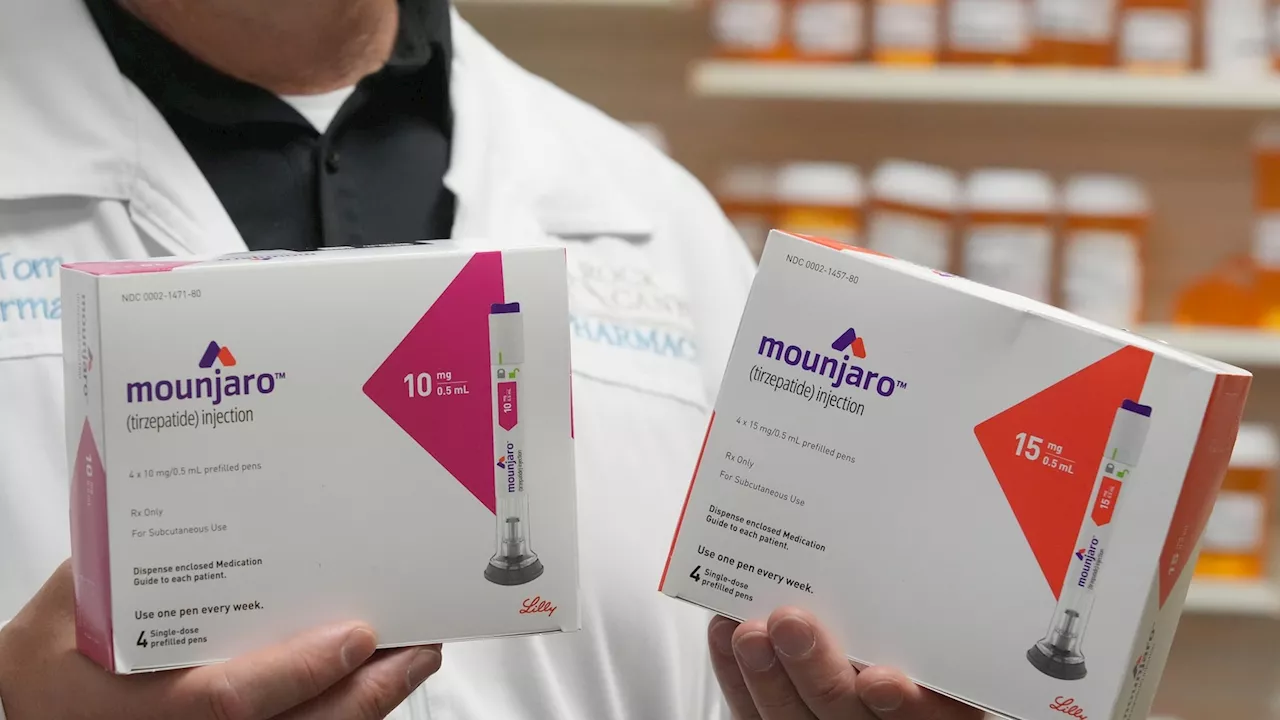
The World Health Organization (WHO) has issued its first-ever guidelines regarding the use of GLP-1 medications for weight loss, a significant step in addressing the global obesity epidemic. On March 4, 2024, the WHO recommended the long-term and continuous use of these medications, specifically targeting adults living with obesity. The medications included in this guidance are semaglutide, liraglutide, and tirzepatide.
While the WHO acknowledges the potential benefits of these drugs, it emphasizes that they are not a standalone solution to obesity. The guidelines, published in the medical journal JAMA, stress that obesity is a chronic disease requiring comprehensive, lifelong management. The optimal approach combines long-term GLP-1 use with structured programs that promote healthy eating, regular physical activity, and ongoing counseling for successful weight loss and maintenance.
Dr. Louis Arrone, director of the Comprehensive Weight Control Center at Weill Cornell Medicine, highlighted the significance of this new guidance. He told ABC News, “It signals that treating obesity early— as a chronic disease that deserves lifelong care— is finally moving into the mainstream of health care.”
The WHO’s recommendations also identify considerable challenges surrounding the adoption of these medications. Key obstacles include high costs, limited availability, and disparities in access across different regions. The organization urges countries to establish fair and affordable systems to prioritize access for individuals with the greatest medical needs.
In practical terms, GLP-1 medications can assist patients in adhering to dietary recommendations. Dr. Arrone explained that these medications often reduce feelings of hunger, making it easier for individuals to adopt healthier eating patterns. Many patients report feeling fuller sooner and less compelled to consume certain foods. He further noted the importance of incorporating resistance training during weight loss, as rapid weight loss can lead to muscle loss, which is particularly concerning for long-term health.
“Medicines work best when they go hand in hand with changes in eating habits and daily behaviors,” Dr. Arrone stated. “When hunger is reduced, people finally feel able to follow the healthy steps they were told to take for years.”
The WHO reports that more than 1 billion people currently live with obesity, a figure projected to rise to 2 billion by 2030. The organization plans to focus future guidelines on identifying and prioritizing individuals who need these treatments the most. Furthermore, the WHO encourages member countries to “reboot” their approaches to obesity care. This includes enhancing prevention, treatment, and systems-level capacity to effectively address this growing public health crisis.
Dr. Arrone remarked on the transformative potential of the WHO’s guidelines, stating, “This signals a shift in thinking unlike anything we’ve seen in a generation — a move toward treating obesity first, rather than waiting for people to develop the many complications that follow.”
As the WHO continues to refine its approach to obesity management, the implementation of these new guidelines could have a profound impact on how obesity is treated globally. The emphasis on comprehensive care, including medication, lifestyle changes, and equitable access to treatment, marks an important evolution in addressing one of the most pressing health issues of our time.