









































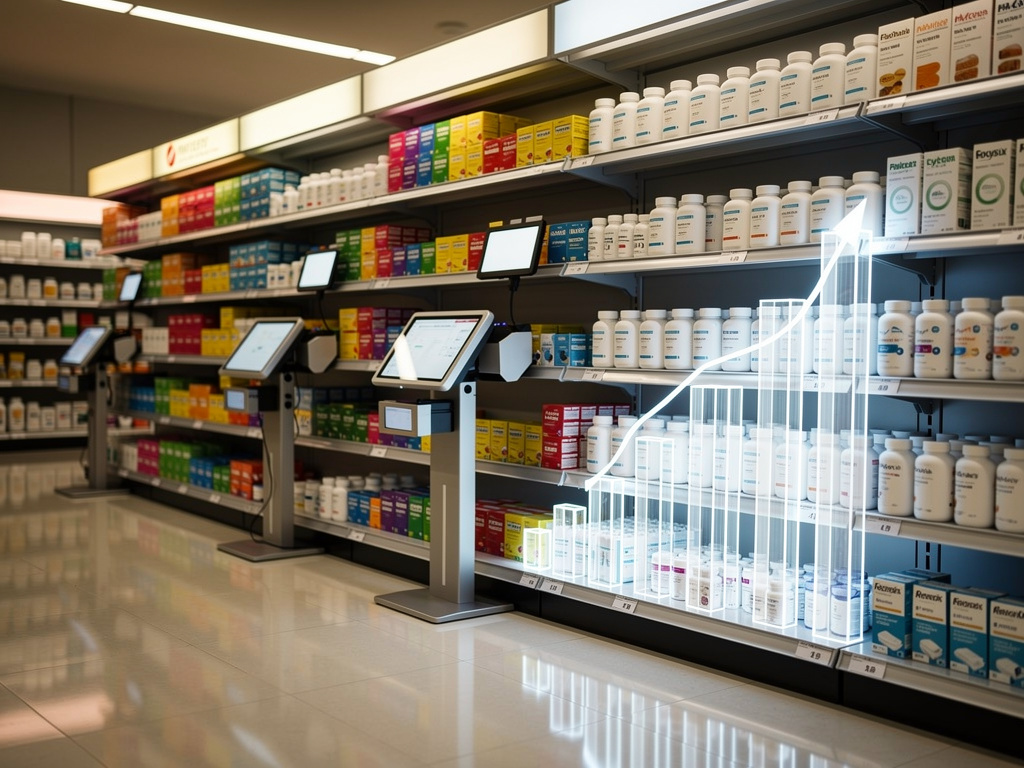
The landscape of American pharmacies is changing as consumers increasingly turn to generic medications due to rising prices. A recent survey conducted by Drug Store News highlighted that 62% of shoppers now prioritize cost over brand loyalty when selecting products in pharmacies. This shift reflects broader economic pressures, including persistent inflation and stagnant wages, prompting households to reconsider their spending habits on essential items like pain relievers and vitamins.
The implications of this trend extend beyond individual purchasing decisions. Major pharmacy chains, such as CVS and Walgreens, are adapting to these changing consumer preferences by expanding their private-label offerings. This strategic pivot aims to capture budget-conscious buyers who are increasingly skeptical about the value of brand-name products.
Economic Pressures Drive Consumer Choices
According to the Drug Store News survey, 45% of respondents cited inflation as the primary reason for their shift towards generics. This aligns with findings from NielsenIQ, which indicate that U.S. consumers are cutting back on discretionary spending while seeking deals on necessities. The cumulative cost of over-the-counter medications, although not always urgent, can significantly impact household budgets.
Throughout the pandemic, supply chain disruptions led to inflated prices, making generics more appealing. As inflation rates remain elevated, the preference for cheaper alternatives is expected to continue. Retailers are responding to this trend with aggressive strategies. For instance, Walgreens has enhanced its No7 beauty line and expanded its store-brand health products, while CVS is seeing substantial growth in its private-label portfolio.
The Role of Generics in the Market
The rise of generic medications is not a new phenomenon, but its rapid acceleration is noteworthy. The Food and Drug Administration reports that generics account for approximately 90% of prescriptions filled in the United States, saving consumers billions each year. This trend is now spilling over into non-prescription items, where brand names once dominated.
Brands such as Johnson & Johnson and Pfizer face challenges as consumers increasingly question the value of premium pricing for branded products. To remain competitive, some manufacturers are introducing their own lower-cost lines, blurring the distinction between branded and generic items. E-commerce platforms are also amplifying this shift, with online retailers like Amazon providing transparent pricing for generics, often undercutting traditional pharmacies.
The ongoing economic conditions have prompted retailers to reevaluate their inventory and shelf space. Reports indicate that private-label sales grew by 11% last year, significantly outpacing national brands. This trend is reshaping how products are displayed and marketed in pharmacies, with a greater emphasis on affordable options.
As consumers become more price-sensitive, particularly younger demographics, retailers are leveraging data analytics to understand shopping preferences better. Pharmacy chains are utilizing loyalty programs to gain insights into purchasing patterns, enabling them to tailor promotions effectively.
The future of branded medications hinges on innovation, as companies must justify their higher prices through unique benefits. Some are investing in product differentiation, such as eco-friendly packaging or specialized formulations. Despite these efforts, the pressure remains as supply chain efficiencies allow generics to be produced at lower costs, leading to increased market competition.
As the retail pharmacy landscape continues to evolve, the balance between affordability and quality remains critical. Consumers benefit from greater access to affordable medications, but ensuring that generics meet safety and efficacy standards will be essential for long-term success.
















