









































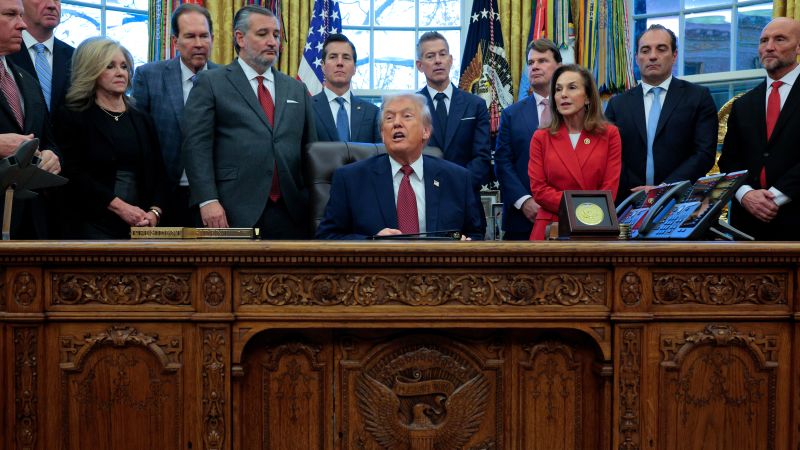
President Donald Trump has directed his team to expand his public schedule, aiming to counteract perceptions regarding his health and stamina. The move comes after growing concerns about the content and frequency of his daily public appearances, which have been scrutinized since the end of last year. Trump, who is 79 years old, has become increasingly frustrated with analyses suggesting that his schedule is less demanding than during his first term in office.
In recent months, vague descriptions of presidential signing ceremonies and policy meetings began appearing more frequently in Trump’s public calendar. These additions were not coincidental; they followed a directive from Trump himself to provide a more comprehensive picture of his day-to-day activities. Sources indicate that he believes the perception of a lighter schedule contributes to questions about his health.
According to reports, the New York Times recently analyzed Trump’s public engagements, revealing a 39% decrease in his official appearances compared to his first year in office in 2017. The analysis pointed out that his events are starting later on average and that he has undertaken fewer domestic trips. In response to these findings, his team began including more private meetings in his public schedule, aiming to showcase what they describe as “jam-packed” days.
During the week of January 5-9, 2024, the White House provided a detailed account of Trump’s private schedule, which included 61 phone calls and 67 meetings. The events often extended from early morning until late evening, with the earliest day starting at 7:15 a.m. These calls involved foreign leaders, CEOs, lawmakers, and even family members. In total, the president’s private calendar revealed a busy agenda that contrasted sharply with the public perception of his availability.
Trump has a history of responding to criticisms regarding his work ethic. As his first term concluded in 2021, he insisted on a specific phrasing in daily updates, stating, “President Trump will work from early in the morning until late in the evening.” Despite some allies suggesting that he does not need to prove his productivity, Trump has consistently expressed dissatisfaction with any implication of diminished energy.
One area of particular concern for the president is media coverage of his age and performance. He has privately lamented what he perceives as unfair treatment by the media. This frustration reached a peak in mid-August when he reacted angrily to coverage of his meeting with Vladimir Putin, feeling that the portrayal underestimated his diplomatic efforts.
In addition to his public schedule adjustments, Trump has also addressed criticisms regarding his administration’s immigration policies. Despite pushback from Republican lawmakers about the perception of his tactics, he has attributed negative public sentiment to media bias rather than the strategy itself. He maintains that the Department of Homeland Security should do more to promote the successes of his administration’s immigration agenda.
Economic concerns have further compounded Trump’s frustrations. He has dismissed public worries about affordability as politically motivated, questioning why many Americans report negative feelings about their financial well-being when economic indicators appear positive. In a recent statement, he remarked, “Maybe I have bad public relations people,” indicating his belief that his administration’s achievements are not being adequately communicated.
As Trump continues to navigate these challenges, his strategic adjustments to his public schedule reflect an effort to reshape perceptions and maintain a vigorous public image, especially as he campaigns for a potential return to the presidency.
















