









































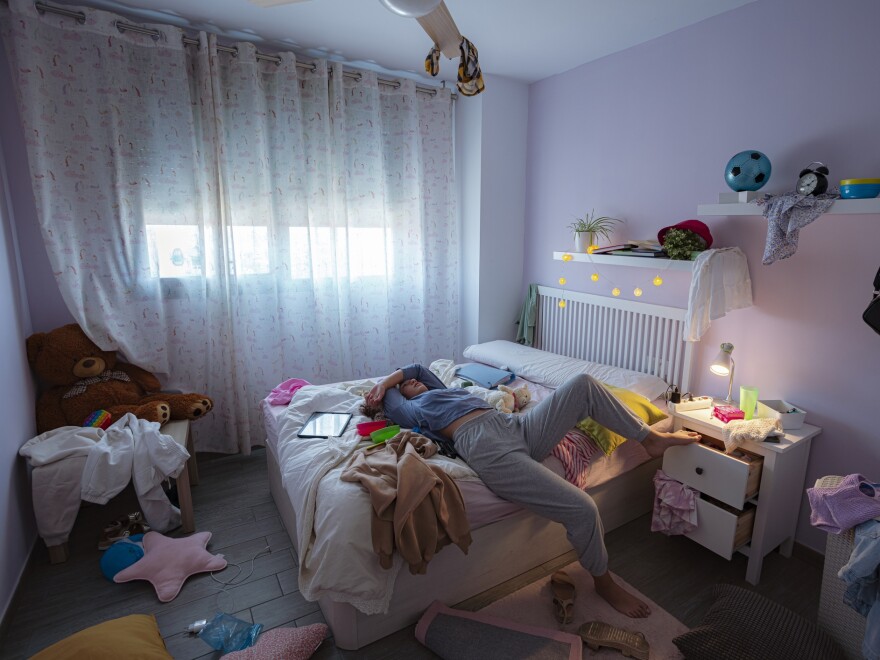
A recent report published in the Journal of the American Medical Association indicates that adolescents are experiencing unprecedented levels of sleep deprivation. The findings highlight a troubling trend, with approximately 75% of American teenagers reporting insufficient sleep, defined as less than eight hours per night, in 2023. This represents an increase of 8% since 2007.
The research, conducted by child and adolescent psychiatrist Tanner Bommersbach at the University of Wisconsin School of Medicine and Public Health, analyzed data from nearly 121,000 high school students as part of the Youth Risk Behavior Survey. A significant concern raised by Bommersbach is the impact of this sleep deficit on adolescent brain development. He emphasizes that sleep is crucial for emotional regulation, physical health, and mental well-being.
The report reveals that one of the most alarming trends is the increase in teenagers sleeping for five hours or less per night, which surged from 15.8% to 23.0% over the same period. Notably, the study indicates that Black students are disproportionately affected by sleep deprivation compared to their white peers. Bommersbach noted, “But in general, we were seeing large increases across the population regardless of a student’s age, sex, or race and ethnicity.”
Interestingly, the study found no direct correlation between screen time and sleep deprivation. Bommersbach noted that even teens with limited screen usage reported higher rates of insufficient sleep than those with heavy screen exposure. This finding challenges the common belief that electronic devices are primarily responsible for sleep loss among adolescents.
While the exact reasons behind this increase in sleep deprivation remain unclear, Bommersbach speculates that factors such as earlier school start times, increased extracurricular demands, and reduced parental monitoring could be contributing to the issue. “This is definitely a highly prevalent problem,” stated Anita Shelgikar, a neurologist at the University of Michigan Medical School and president of the American Academy of Sleep Medicine. Shelgikar described the situation as “an epidemic” of adolescent sleep deprivation.
To combat this growing concern, Shelgikar recommends several strategies for improving sleep quality among teenagers. These include dimming lights and minimizing electronic use before bedtime, maintaining a consistent sleep schedule, and creating a sleeping environment that is cool, dark, and quiet. Exposure to bright light in the morning can also help regulate the body’s circadian rhythm, signaling the brain to be awake and alert.
Moreover, Shelgikar advocates for adults to model healthy sleep habits and educate teens about the importance of good sleep for overall well-being. She encourages the incorporation of sleep health education into school curricula and suggests considering delayed school start times as a potential solution. Research indicates that later school start times correlate with improved sleep duration and academic performance for teens.
Reflecting on the study’s findings, Shelgikar sees an urgent need for action. “This is certainly a call to action,” she stated, emphasizing the importance of addressing sleep deprivation among adolescents to support their health and academic success. The implications of this research call for a broader conversation about how society can better support the sleep needs of its youth.
















