









































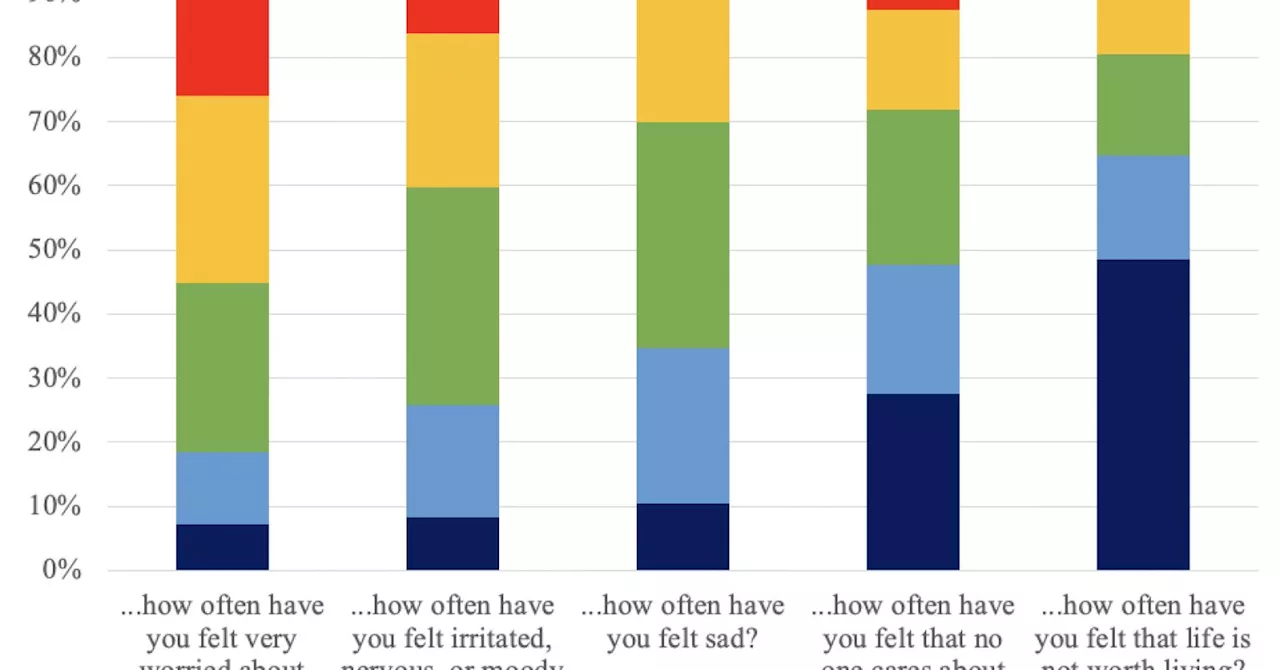
A recent study has uncovered a significant connection between peer victimization and depression among adolescents in Brazil, highlighting the impact of school bullying on mental health. Conducted by the Ministry of Health, the research analyzed data from over 165,000 adolescents across the country, revealing that experiences of being bullied correlate strongly with increased reports of depressive symptoms.
The study aimed to assess various aspects of adolescent physical and mental health, focusing specifically on how victimization influences emotional well-being. Researchers evaluated how frequently students experienced feelings of “sadness” and “moodiness,” along with other serious indicators of poor mental health. Encouragingly, the findings indicated that a substantial proportion of students reported experiencing depressive symptoms “never,” “rarely,” or “sometimes,” suggesting that most adolescents do not struggle with significant mental health issues.
Peer victimization was measured by asking students how often they had been “bullied or teased so much that you were hurt, annoyed, offended, or humiliated” in the past month. The majority of participants reported no incidents of peer victimization, a positive sign considering the potential mental health implications. Nevertheless, researchers expressed concern for the 13 to 40 percent of youths who did report such experiences.
To understand the depth of this issue, the study examined how peer victimization contributed to differences in depression scores among adolescents. Remarkably, the data revealed that peer victimization accounted for an additional 34.41 percent of the variance in depression levels. This finding underscores the vital role that experiences of bullying play in exacerbating mental health challenges among Brazilian youth.
The results align with previous research that has identified long-lasting effects of peer victimization on mental health. The study’s findings are particularly compelling as they emerge from a large-scale examination representative of youth experiences in many developing countries. The research emphasizes the critical role that school environments play in shaping adolescents’ mental health.
A notable aspect of the study is its exploration of how positive peer interactions can mitigate the adverse effects of victimization. While it is reassuring that most youths report minimal depressive symptoms and low levels of victimization, the correlation found between the two indicates a need for ongoing efforts to create supportive school climates.
The study also highlighted significant variations in victimization rates across different schools. This suggests that children attending institutions with lower victimization levels are less likely to experience depressive symptoms. As such, initiatives aimed at reducing bullying can be pivotal in fostering healthier mental states among students.
Many educators and school administrators work diligently to cultivate safer learning environments, and this research supports the value of their efforts. Moving forward, researchers express interest in further investigating how positive school dynamics, including strong teacher-student relationships and supportive classroom atmospheres, can help shield young people from the depressive fallout of victimization.
Josafa da Cunha, a prominent figure in this research and a Professor of Educational Psychology at the Federal University of Paraná, coordinates the Interagir Lab and is focused on the implications of peer victimization and school climate on youth mental health. His ongoing work aims to contribute to a deeper understanding of how to create safer learning environments that support all students’ well-being.
The call to action is clear: every young person deserves a secure space to learn and develop. As research continues to evolve, fostering an environment that minimizes victimization and promotes positive social interactions will be crucial for enhancing mental health among adolescents.
















