





























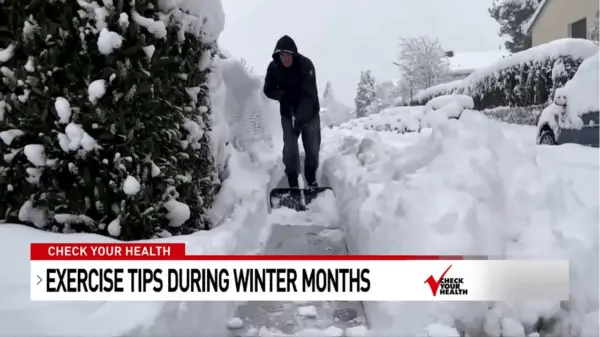









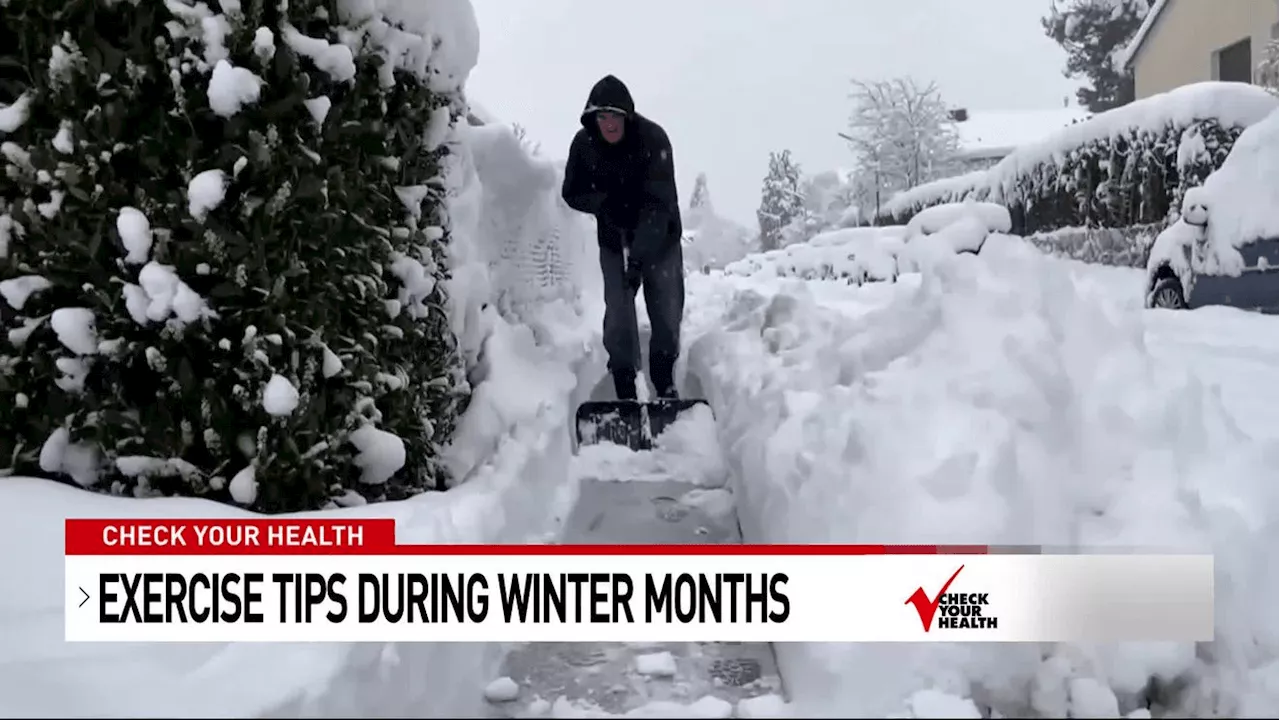
As winter sets in, many individuals may find themselves less inclined to engage in physical activity. The Utah Department of Health and Human Services emphasizes the importance of staying active during this season to maintain overall health. Engaging in physical activity can significantly enhance mental well-being and reduce the risk of serious health issues, such as heart disease and type 2 diabetes.
Research indicates that adults should aim for at least 150 minutes of moderate physical activity each week. This can lead to improved mental health and a reduced likelihood of premature death. Despite the challenges posed by cold weather, snow, and ice, dressing appropriately can make outdoor exercise manageable.
Adapting to Winter Conditions
Proper attire is crucial for exercising outdoors in winter. Wearing layers allows individuals to adjust to varying temperatures, particularly as the body warms up during physical activities. Key items include insulated coats, sweaters, hats, gloves, and appropriate footwear to prevent slips and falls on icy surfaces.
For those unable to exercise outside, numerous indoor alternatives exist. Simple exercises like squats and push-ups can be effective, alongside online workout classes or walking in shopping malls. This flexibility ensures that individuals can maintain their fitness routine, regardless of weather conditions.
Utilizing the FITT principle—frequency, intensity, time, and type—can help in setting effective exercise goals. Frequency refers to how often one engages in physical activity each week, while time encompasses the duration of each session. The type of activity plays a significant role; selecting enjoyable exercises increases the likelihood of consistency.
Setting Realistic Goals
To foster a successful fitness journey, individuals should begin with achievable goals. Gradually increasing the frequency, intensity, and duration of workouts can prevent injuries and enhance motivation. General guidelines recommend a mix of aerobic and muscle-strengthening activities to promote a well-rounded fitness routine.
The winter months may pose challenges to physical activity, yet they also present opportunities to explore new ways to stay fit. By prioritizing health and adapting to the season, individuals can ensure that they remain active and healthy throughout the colder months.