




























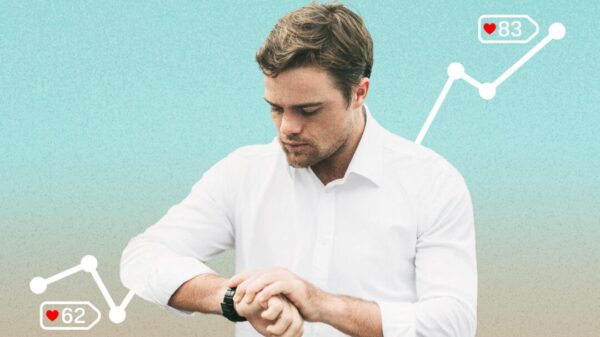










A recent experience highlighted the potential of smartwatches in detecting health issues, as Stanford geneticist Michael Snyder discovered an alarming pattern in his heart health while traveling. During a flight to Norway, Snyder noticed that his heart rate and oxygen levels remained elevated long after taking off, a deviation from his usual readings. Although he felt perfectly fine, the data indicated otherwise.
Just days after this unsettling observation, Snyder tested positive for Lyme disease, a condition transmitted by tick bites. His smartwatch effectively alerted him to a health issue before he even experienced symptoms. Snyder commented on the significance of this finding, stating, “Resting heart rate is definitely an indicator of all kinds of stress—physical and mental.”
Understanding Heart Rate as a Health Metric
The implications of Snyder’s experience extend beyond personal health monitoring. Resting heart rate can serve as a critical health metric, reflecting various stressors on the body. Elevated heart rates can indicate issues ranging from dehydration to infections, making it a valuable tool for early detection.
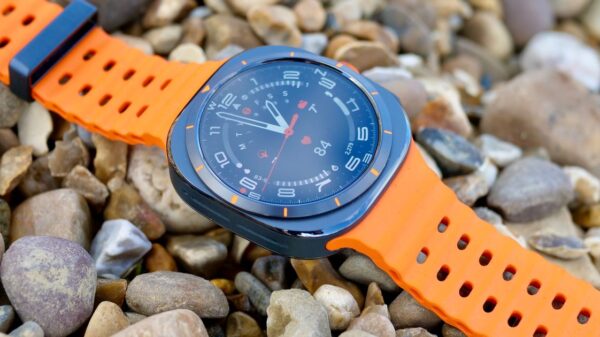
As wearable technology continues to advance, it increasingly empowers individuals to take charge of their health. Smartwatches equipped with health-tracking features are becoming commonplace, allowing users to monitor vital signs in real-time. The ability to access this data can lead to earlier diagnoses and prompt medical intervention, potentially improving outcomes for various conditions.
Research continues to support the idea that monitoring heart rate and other vital signs can provide profound insights into one’s health status. According to a report published in The Epoch Times, health professionals stress the importance of being aware of these metrics, especially when they differ from normal patterns.
The Role of Technology in Personal Health Management
Snyder’s case exemplifies how technology can enhance personal health management. As more people rely on smartwatches and fitness trackers, understanding how to interpret this data becomes essential. A resting heart rate that consistently deviates from an individual’s baseline could signal an underlying health issue that warrants further investigation.
For many, the integration of technology into health management is a game changer. It allows for proactive health care, encouraging users to seek medical advice when their devices indicate potential problems. This proactive approach can lead to timely diagnoses and treatment, ultimately fostering better health outcomes.
While smartwatches cannot replace professional medical evaluation, they can serve as an important first step in recognizing changes that may require attention. Snyder’s experience illustrates the potential of these devices to save lives by facilitating early detection of serious health conditions.
As the technology evolves, users must remain informed about the capabilities and limitations of their devices. Awareness of how personal health metrics can fluctuate due to various factors—from stress to illness—will empower individuals to make informed decisions about their health.
In summary, the story of Michael Snyder underscores the importance of heart rate monitoring and the role technology plays in personal health management. By leveraging the capabilities of smartwatches, individuals can gain valuable insights into their well-being, potentially catching health issues before they escalate.