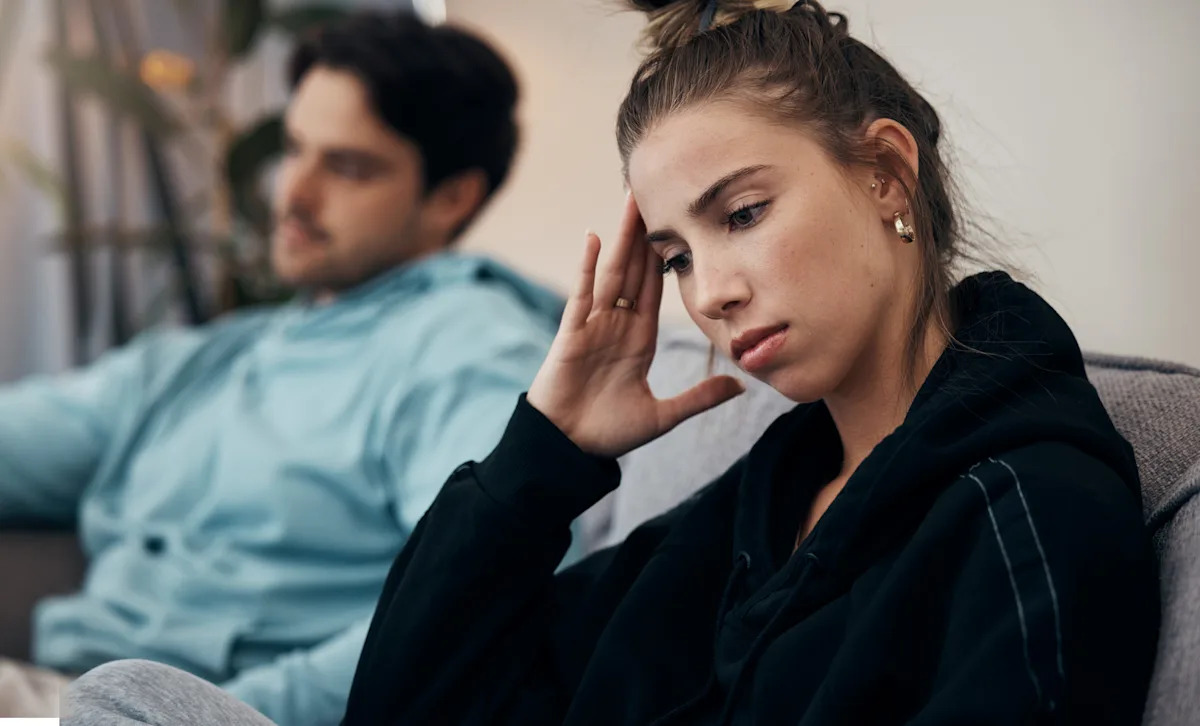





































A heartfelt letter to the advice column “Dear Annie” highlights the emotional burden faced by one woman as she navigates her sister’s increasing dependence. The scenario unfolds as Clara, a younger sister, relocates to her sibling’s town in May 2023 following a painful breakup. Seeking support during this challenging time, Clara initially finds solace in her sister’s open home and heart. However, as months pass, the relationship shifts dramatically.
The elder sister describes how she welcomed Clara into her life, offering assistance through job interviews, shared meals, and social outings. Yet, this support soon transforms into an overwhelming reliance. Clara begins to call her sister multiple times a day, initiating contact on her commute to work, during lunch breaks, and again on the way home. If her sister does not answer immediately, Clara persistently calls until she receives a response. This constant communication begins to take a toll on the elder sister’s personal life.
Compounding the issue, the younger sibling feels excluded when plans are made without her presence, leading to feelings of sulkiness. A pivotal moment occurs when Clara uses a spare key, initially intended for emergencies only, to enter her sister’s home unannounced. Finding Clara on the couch with takeout and a movie, the elder sister expresses her discomfort. Clara reacts emotionally, accusing her sister of changing and claiming she feels abandoned.
In her response, Annie Lane emphasizes the importance of setting boundaries while maintaining a loving relationship. She highlights that while it is commendable to support a loved one, a point is reached when that support turns into unhealthy dependence. Lane suggests that the elder sister communicate openly with Clara, expressing her need for a healthier balance.
The advice encourages the elder sister to clarify that she cannot be available for multiple daily calls or unannounced visits. She should reclaim the spare key’s original purpose and remind Clara that her well-being does not solely hinge on her sister’s presence. Lane encourages Clara to explore her own interests through classes, hobbies, or even therapy, which can provide the support she craves while alleviating some pressure from her sister.
The advice concludes with a reassuring note, reminding the elder sister that encouraging independence is an act of love. Setting boundaries does not equate to abandonment; rather, it fosters a healthier, more balanced relationship. By establishing clear limits with warmth and consistency, the elder sister can help Clara learn to stand on her own two feet.
The insights shared in this letter resonate with many who find themselves in similar situations, where the line between support and emotional overload can become blurred. As personal relationships evolve, it is crucial to maintain a balance that fosters both care and independence.