









































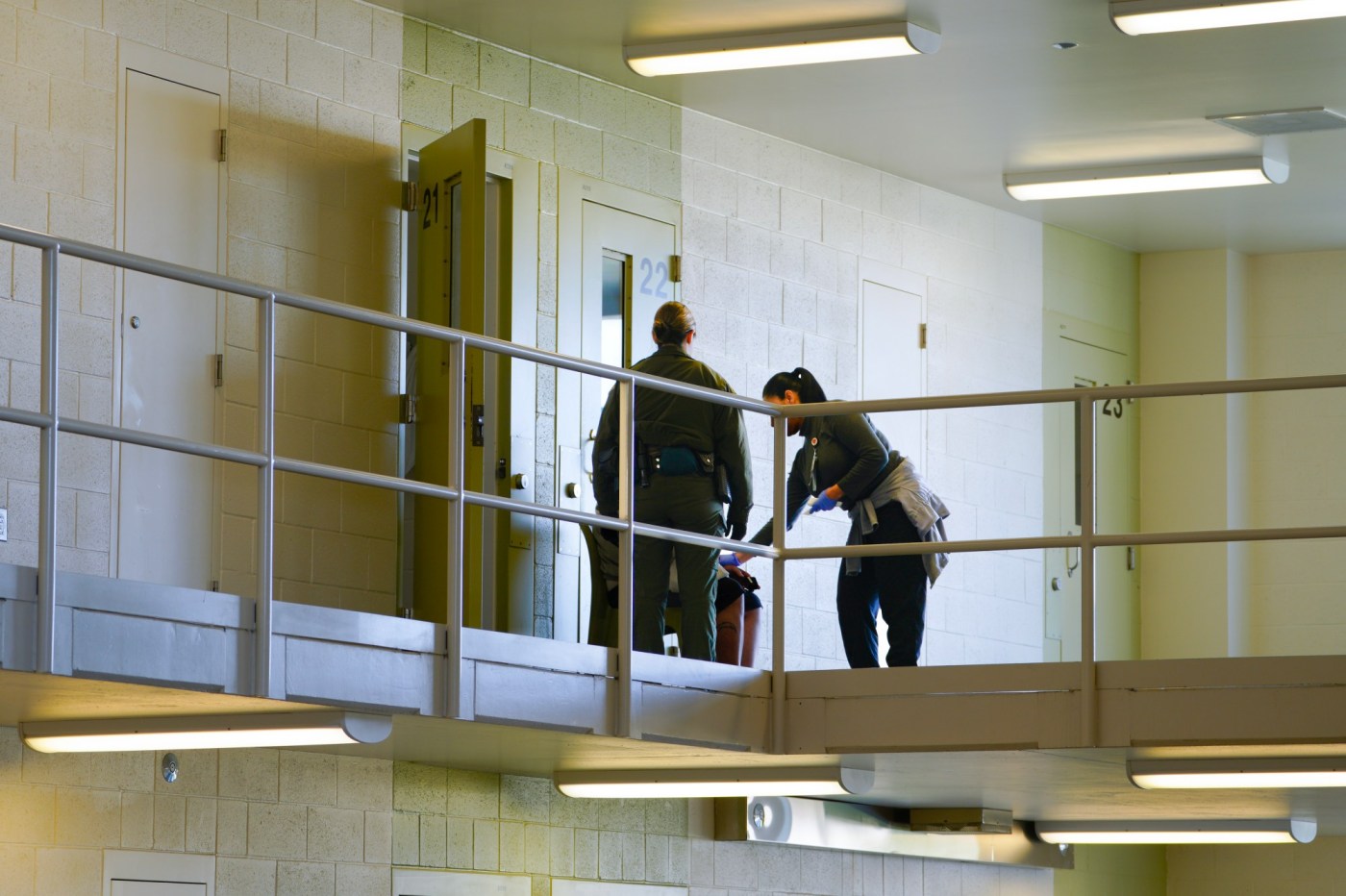
A landmark settlement announced earlier this month aims to fundamentally reshape mental health care in San Diego County jails, following years of inmate deaths and systemic failures. The agreement addresses critical issues surrounding the treatment of individuals with mental illness in a correctional setting, prompted by a federal class-action lawsuit initiated after the death of Lester Daniel Marroquin in 2022.
On the day of Marroquin’s death, he was transferred from a psychiatric observation unit to an isolation cell without the knowledge of his mental health clinician, Jennifer Alonso. Despite her concerns about his well-being, he was moved to administrative separation, where he later died by suicide. Alonso’s sworn declaration about the incident became pivotal in the lawsuit, which argued that the county’s jails failed to adequately care for mentally ill inmates.
In an interview, Alonso expressed her relief upon hearing about the settlement. She had spent three years working as a clinician in the jails but left due to her frustration with the lack of protective measures for vulnerable patients. “Obviously there’s more work to be done,” she remarked, “but it sounds like they’re trying to commit to make things better, which is amazing.”
The settlement mandates significant reforms within the county’s seven jails, where nearly half of the approximately 4,100 inmates are prescribed psychiatric medications. Under the new agreement, decisions made by mental health professionals, including psychiatrists and psychologists, will no longer be routinely overridden by sworn staff. Each inmate will undergo a thorough mental health evaluation upon booking, determining their specific needs and level of care.
One of the most criticized practices in the jail system has been the placement of mentally ill individuals in isolation cells for extended periods, often with limited access to treatment. The county’s medical examiner ruled the March 2022 death of Lonnie Rupard in administrative separation a homicide, attributing it to pneumonia, malnutrition, and dehydration due to inadequate care. Similarly, Matthew Settles died by suicide in isolation just months later, despite having shown no negative behavior prior to his death.
The settlement introduces safeguards to ensure that decisions regarding isolation are based solely on an inmate’s clinical condition, not their charges or history. If custody staff disagree with a clinician’s recommendation, a documented review must occur within 24 hours.
Alonso highlighted the lack of clinical oversight she often observed while working inside the Central Jail. She frequently encountered situations where inmates were placed in administrative separation without her knowledge or consent. The new agreement aims to address such discrepancies by requiring a comprehensive staffing and needs assessment to determine the necessary number of clinicians and treatment facilities.
The settlement also calls for the expansion of outpatient step-down units, which are designed for individuals with serious mental illnesses requiring structured care. Currently, the Sheriff’s Office operates these units at the Rock Mountain Detention Facility and the Las Colinas Detention and Reentry Facility, with plans to increase the number of available beds by 68 by March 2027, depending on patient needs.
Access to appropriate care has long been a challenge in the county jails. Former clinician Aseel Ross testified that some patients were excluded from outpatient programs despite serious psychiatric symptoms. She emphasized the importance of individualized treatment plans, a requirement now included in the settlement.
Officials from the San Diego County Sheriff’s Office have expressed their commitment to the terms of the settlement. David Collins, Sheriff’s Lieutenant, stated that the agreement formalizes ongoing improvements while acknowledging past deficiencies in the system. He noted, “Many of the changes and improvements were already identified, requested, in process or being worked upon.”
The settlement follows a series of tragic incidents that highlighted the urgent need for reform. Just last year, a man named Corey Dean died after being left alone in isolation, despite requests for assistance from other inmates. Similarly, Karim Talib, an elderly inmate suffering from dementia, was found dead after his pleas for help went unanswered.
The class-action lawsuit, known as Dunsmore v. San Diego County, was initiated in 2020 by former inmate Darryl Dunsmore. It expanded into a broader challenge of jail conditions encompassing issues such as mental health care, medical treatment, and safety. While a partial settlement addressing disability access has been reached, other complaints regarding various jail practices remain unresolved.
The new mental health settlement introduces enforceable standards for clinical evaluations and treatment access while allowing for monitoring by attorneys and a court-appointed expert. This oversight aims to ensure compliance with the settlement’s terms, fostering a more humane and effective approach to mental health care within San Diego County jails.
As the county embarks on this critical transformation, the settlement represents a crucial step toward addressing the systemic failures that have long plagued its correctional facilities. Attorney Gay Grunfeld, representing the plaintiffs, expressed cautious optimism about the county’s commitment to meaningful reform. “I think they are sincere. I think they want change,” she remarked, underscoring the importance of implementation for the success of these reforms.
















